Stocks● Neutral
French Open Prize Money Dispute Risks Player Boycott
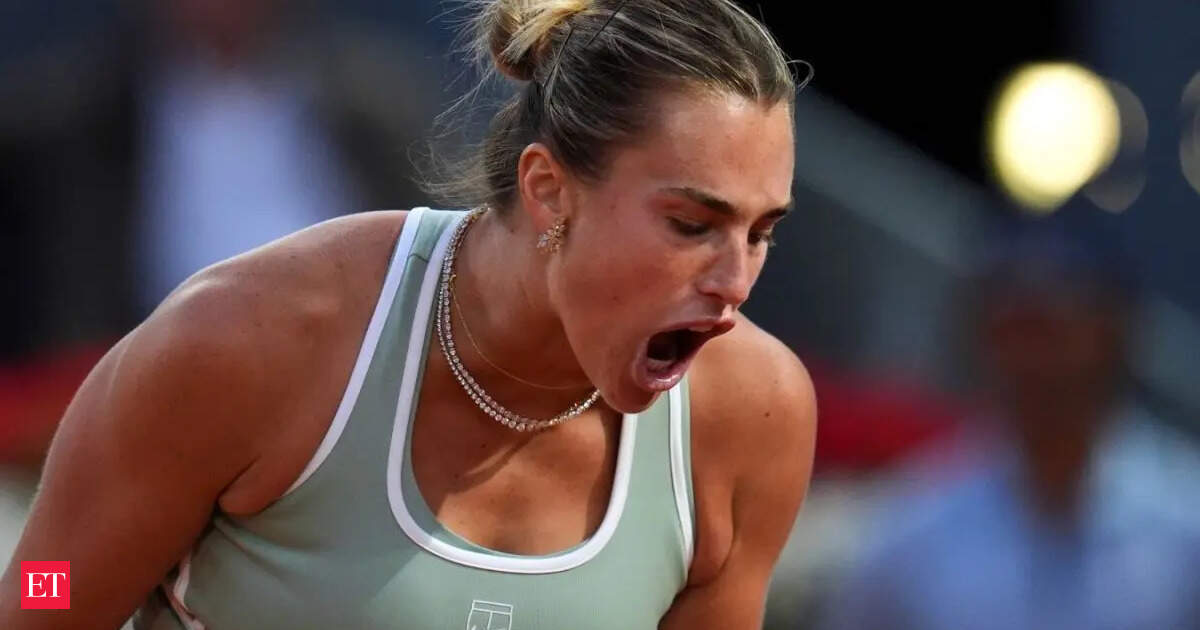
Top tennis stars threaten a French Open boycott over prize money gaps. The dispute highlights critical labor-management risks for major sporting events.
Continue with
The professional tennis landscape faces a potential disruption as top-ranked players, including Aryna Sabalenka and Coco Gauff, have signaled a willingness to boycott the French Open. The core of the dispute centers on the distribution of tournament revenue, with athletes arguing that current prize money levels at Roland Garros fail to keep pace with the financial growth seen at other Grand Slam events. This friction highlights a broader tension between tournament organizers and the labor force driving the sport's commercial success.
Revenue Distribution and Grand Slam Parity
The primary grievance among the players is the perceived disparity in compensation relative to the revenue generated by the French Open. While Grand Slam tournaments are significant commercial engines, players contend that the current prize pools do not adequately reflect their contribution to the event's bottom line. The threat of a boycott serves as a leverage point in ongoing negotiations, forcing organizers to address the gap between player expectations and current payout structures.
For market observers, this situation serves as a reminder of how labor-management dynamics can impact the stability of high-value sporting assets. When the primary revenue generators of a business model threaten to withhold their services, the valuation of the event itself becomes subject to operational and reputational risk. If the French Open fails to align its compensation with industry standards, it risks not only a short-term disruption but also a long-term erosion of its status as a premier global event.