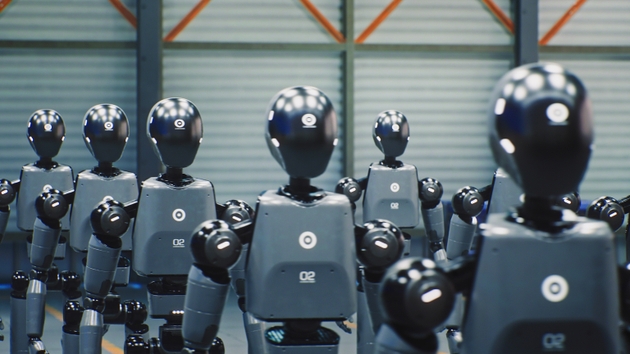
The recent integration of humanoid robots into the Beijing half-marathon marks a transition from controlled laboratory demonstrations to real-world endurance testing. By deploying units from manufacturers like Unitree alongside consumer technology giants such as Alibaba and Honor, the event served as a public stress test for embodied AI, battery efficiency, and autonomous navigation in dynamic environments. This shift suggests that the sector is moving toward proving hardware reliability in public spaces, a necessary precursor to industrial or domestic adoption.
Hardware Endurance and Embodied AI Integration
The participation of humanoid units in a long-distance event highlights specific technical hurdles that companies must clear to achieve commercial viability. Endurance is no longer just about software algorithms; it requires significant improvements in energy density and thermal management. The collaboration between robotics firms and consumer electronics companies indicates a strategy to leverage existing supply chains for sensors, processors, and battery systems. This integration is critical for reducing the cost of production, which remains the primary barrier to scaling humanoid robotics beyond niche research applications.
Investors should monitor how these companies translate performance data from outdoor environments into iterative hardware updates. The ability to navigate uneven terrain while maintaining consistent power output provides a benchmark for future iterations of these platforms. As these robots move from static displays to active participation in public events, the focus shifts toward the durability of joints, actuators, and the latency of onboard processing units.
Sector Read-Through and Market Linkages
The robotics sector is currently navigating a period of high capital intensity with limited immediate revenue streams. While the hardware is becoming more sophisticated, the path to monetization remains tied to industrial automation and specialized service roles. The involvement of large-scale technology firms suggests that the industry is prioritizing the development of a standardized software stack for embodied AI. This approach mirrors the stock market analysis trends seen in other high-growth sectors where platform dominance is established through software accessibility.
AlphaScala data currently reflects a varied landscape for consumer-facing and industrial-adjacent equities. For instance, Amer Sports, Inc. (AS stock page) holds an Alpha Score of 47/100, while Ferrari N.V. (RACE stock page) maintains an Alpha Score of 46/100. These scores highlight the ongoing volatility in consumer cyclical sectors as companies balance R&D spending with shifting demand. While these firms operate in different verticals, the broader push toward automation and robotics will eventually influence their operational efficiency and supply chain management.
The Path to Scalable Deployment
The next concrete marker for this sector will be the disclosure of battery life metrics and maintenance intervals following these public trials. Investors should look for follow-up filings or technical white papers that detail the failure rates of actuators during extended operation. These disclosures will provide the first real-world data points on the total cost of ownership for humanoid platforms. If these robots can demonstrate consistent uptime in non-controlled environments, the narrative will likely shift from speculative R&D to tangible industrial deployment timelines. The focus remains on whether these companies can move from prototype-heavy business models to sustainable manufacturing processes that support mass-market adoption.