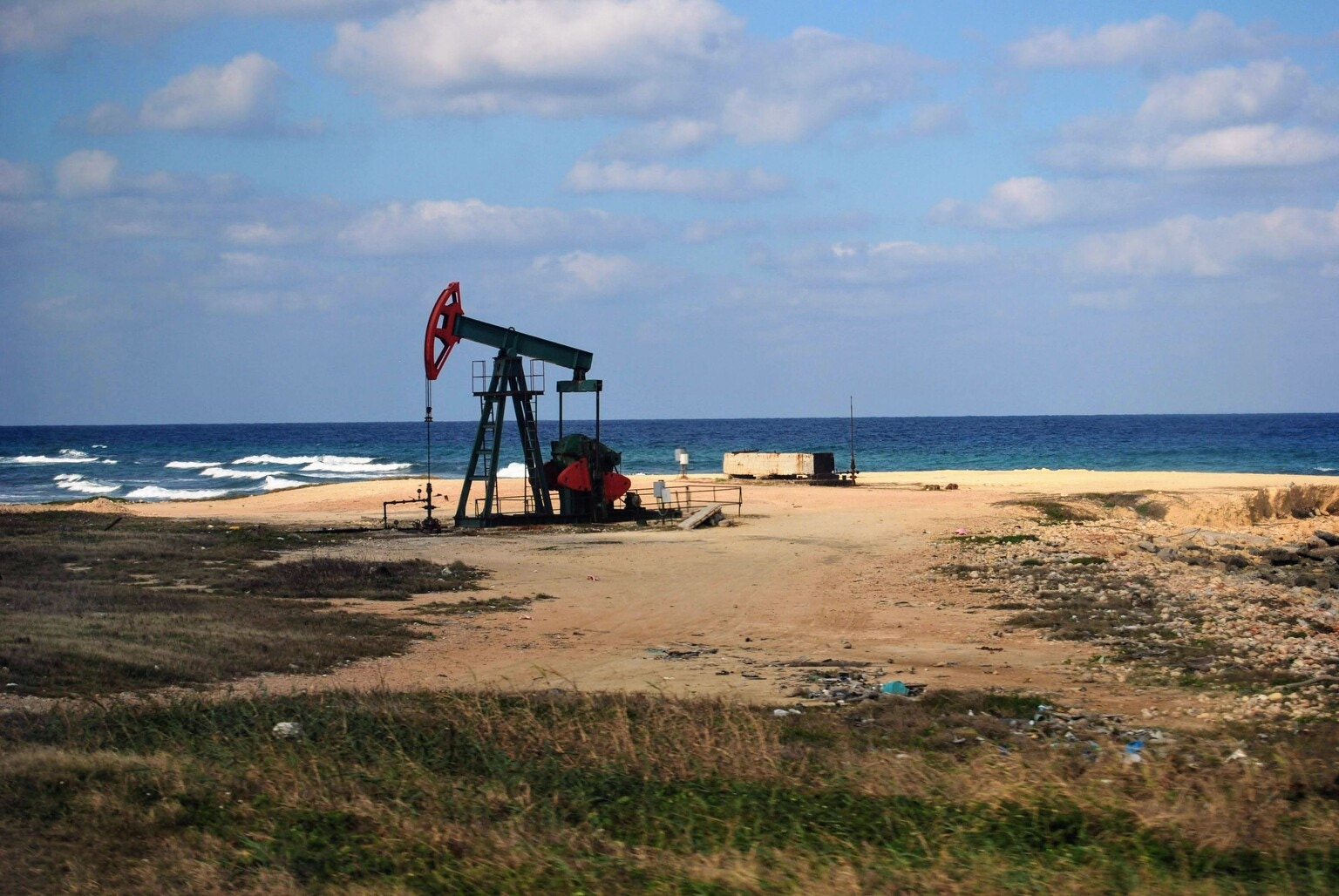
PrimeEnergy Resources continues to operate without long-term debt as broader energy markets navigate significant price volatility and geopolitical instability. The company remains focused on its core exploration and production activities, maintaining a capital structure that avoids the interest rate sensitivity currently impacting more leveraged peers in the oil and gas sector. This financial positioning provides a buffer against the fluctuating cash flows inherent in the energy industry, particularly as regional tensions in the Middle East introduce new layers of uncertainty into global supply chains.
Operational Resilience and Capital Discipline
Energy producers are currently balancing the need for production growth against the reality of shifting global demand patterns. PrimeEnergy Resources relies on its debt-free status to manage the cyclical nature of commodity prices without the pressure of servicing debt obligations during periods of lower realized prices. This strategy allows for consistent capital allocation toward exploration and maintenance, even when market sentiment turns cautious due to macroeconomic headwinds. For a broader view on how production discipline is currently shaping the energy landscape, see our US Oil Rig Count Contraction Signals Continued Production Discipline.
Geopolitical Risk and Supply Constraints
Geopolitical developments in major energy-producing regions frequently dictate the short-term price action for independent producers. While PrimeEnergy Resources operates primarily within domestic basins, the company is not immune to the price discovery mechanisms of global crude markets. Ongoing concerns regarding transit security and potential supply disruptions in key maritime corridors often lead to sudden shifts in energy valuations. These risks are compounded by the current environment of high interest rates, which forces investors to scrutinize the balance sheets of smaller exploration firms more closely than in previous cycles. For further analysis on how transit risks influence energy pricing, refer to our Strait of Hormuz Transit Risks Escalate Following Tanker Attack.
Market Context and AlphaScala Data
Market participants are currently evaluating how independent energy firms compare to broader technology and financial indices. Within the AlphaScala data set, we track various sectors to identify shifts in sentiment and performance. For instance, the ON stock page shows a Mixed Alpha Score of 40/100, while the NDAQ stock page holds a Mixed Alpha Score of 43/100. These scores reflect the ongoing volatility across sectors as investors weigh macroeconomic data against company-specific fundamentals. As PrimeEnergy Resources continues its operations, the next concrete marker for the company will be its upcoming quarterly financial filing. This report will provide the necessary transparency regarding production volumes and realized pricing, which will serve as the primary indicator for how the firm is navigating the current commodity price environment.