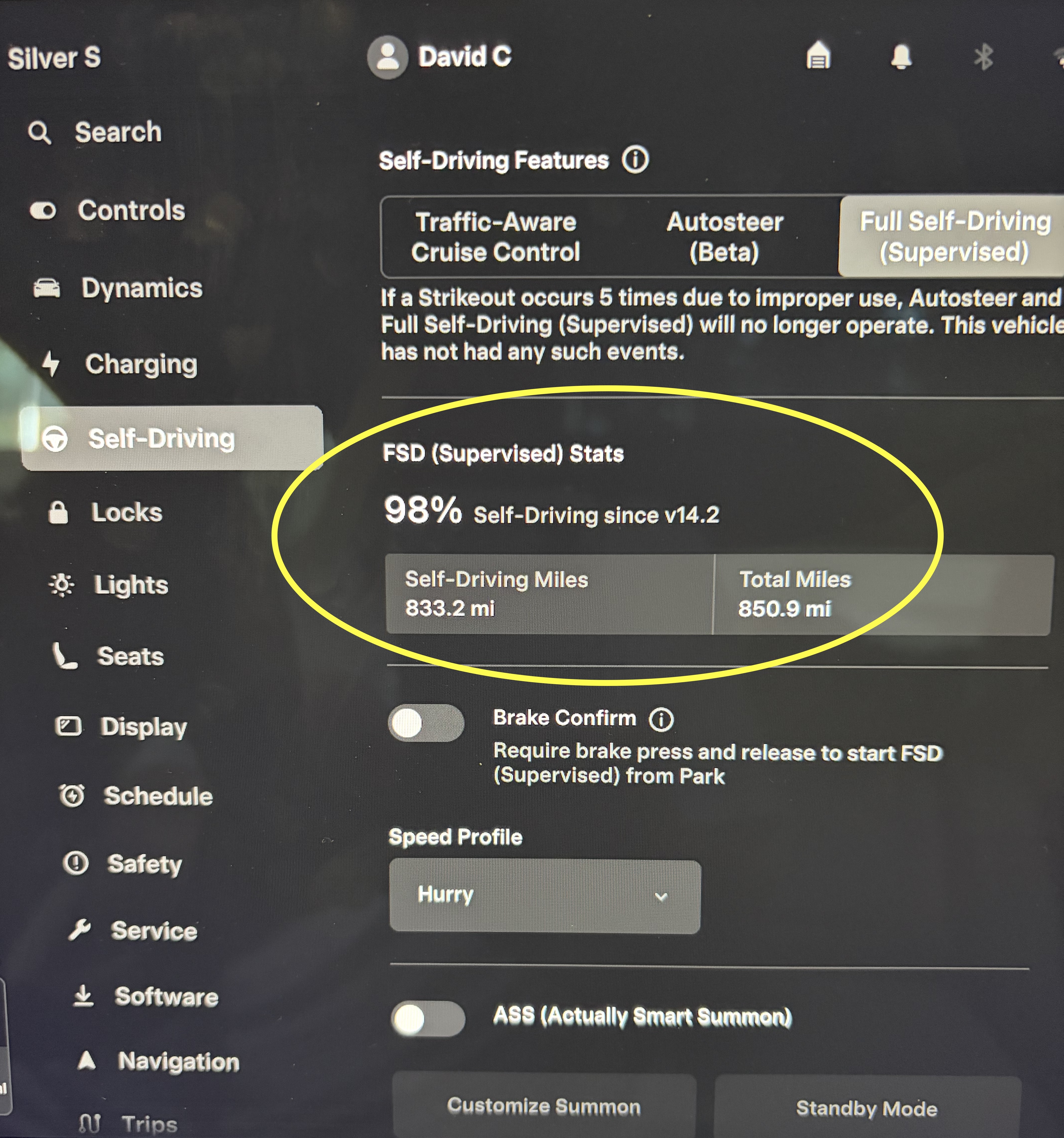
The rapid advancement of Full Self-Driving (Supervised) software has transitioned from a niche technical feature to a core component of the daily consumer experience. Recent real-world performance updates indicate that the software now handles complex point-to-point navigation with significantly higher reliability than previous iterations. This shift alters the fundamental utility of the vehicle, moving the focus from manual operation to a supervised automation model that changes how drivers interact with their environment during transit.
Operational Efficiency and Software Scaling
The integration of advanced hardware with iterative software updates allows for a more seamless transition between manual and autonomous modes. As the system gains proficiency in navigating diverse traffic patterns, the reliance on human intervention decreases, which directly impacts the perceived value of the vehicle platform. This evolution is not merely an improvement in convenience but a change in the product lifecycle, where the vehicle's capability grows through over-the-air updates rather than remaining static after the point of sale.
For manufacturers, this creates a new paradigm in customer retention and brand loyalty. When a vehicle's primary interface becomes its software suite, the user experience becomes the primary driver of satisfaction. The ability to navigate daily commutes with minimal friction reinforces the value proposition of the hardware, effectively turning the car into a mobile software-defined asset.
Sector Read-Through and Market Positioning
The broader automotive and technology sectors are currently recalibrating to account for the pace of this software adoption. As consumers become accustomed to higher levels of automation, the demand for legacy vehicle features may decline in favor of platforms that offer robust, scalable software ecosystems. This transition puts pressure on traditional manufacturers to accelerate their own autonomous development cycles to remain competitive in a market that increasingly prioritizes digital capability over mechanical performance.
AlphaScala data currently reflects the complex sentiment surrounding these shifts. Tesla Inc. (TSLA) holds an Alpha Score of 39/100 with a Mixed label, trading at $400.62 and up 3.01% today. This score highlights the ongoing market debate regarding the valuation of software-heavy automotive firms compared to traditional stock market analysis benchmarks.
The Path to Full Autonomy
The next critical marker for this narrative is the frequency and success rate of disengagements in varied weather and urban conditions. As the software moves toward broader deployment, the industry will look for data regarding safety benchmarks and regulatory acceptance. The transition from supervised to unsupervised functionality remains the final hurdle, and the data gathered from current user experiences will serve as the foundation for future safety filings and operational scaling. Investors should monitor upcoming software release notes and regulatory updates as the primary indicators of when this technology will move from a supervised convenience to a fully autonomous utility.