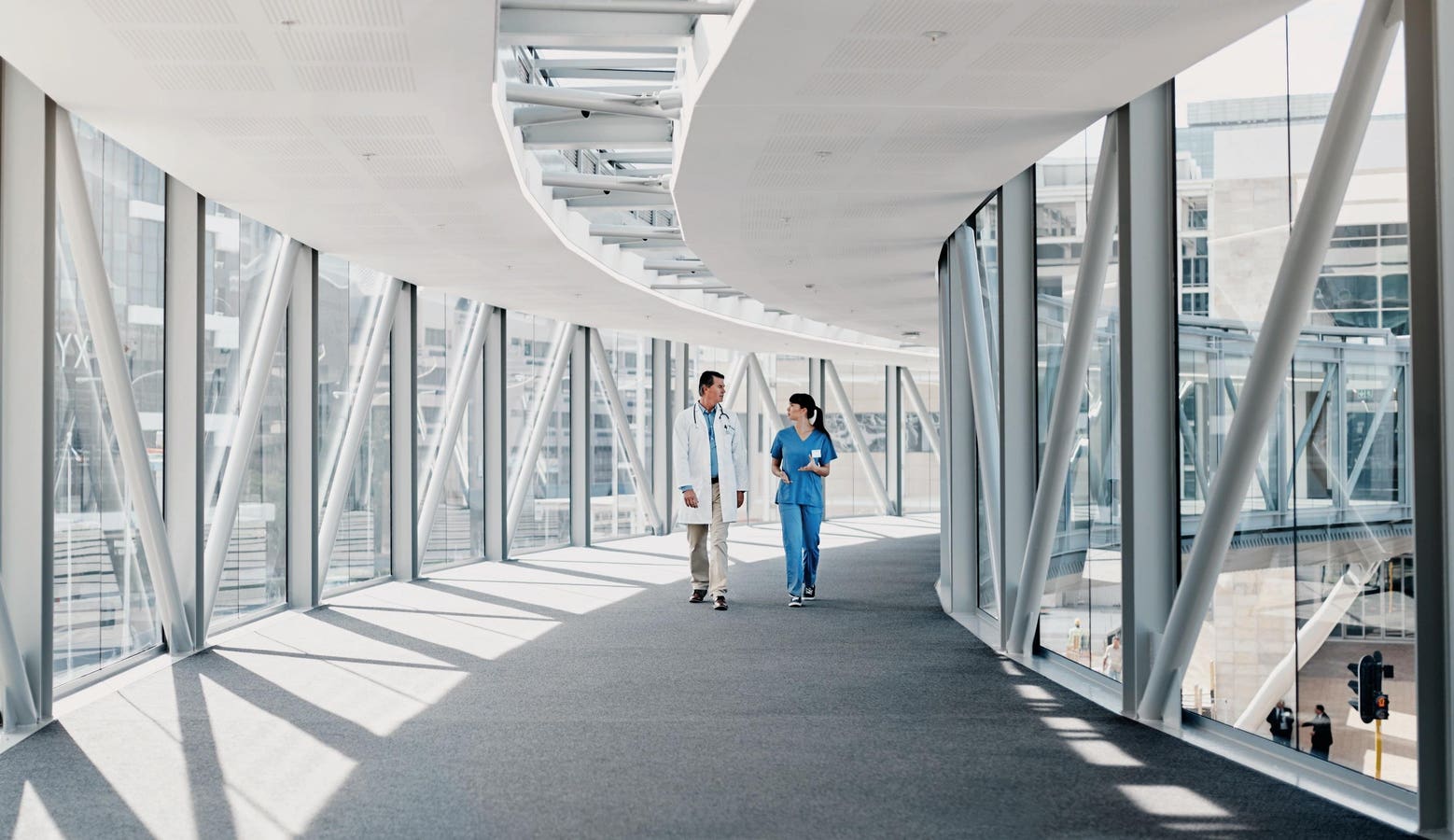
Apple is positioning its hardware and software ecosystem inside a quiet redesign of how hospitals work. The concept, called healing architecture, pairs natural-light rooms and green spaces with autonomous building systems that adjust temperature, lighting, and wayfinding without human input. Digital twins simulate patient flows before construction starts. IoT sensors track wheelchairs and beds. The goal is to cut the 4,500 hours staff spend each year helping lost visitors and to free up as much as 23% of daily working time, according to a 2025 study in Scientific Reports.
Apple's HealthKit and ResearchKit already feed patient data into electronic health records. The Apple Watch tracks vitals and can alert clinicians to changes in heart rhythm or oxygen saturation. The next step, several hospital IT directors said, is integrating those wearable feeds into the building management systems that control room comfort and lighting. A pediatric patient who customizes room lighting from an iPad is using the same iOS ecosystem that runs Apple's health apps. The Kantonsspital Baden in Switzerland, often called the country's smartest hospital, deploys 7,000 IoT sensors and 2,000 smart tags. Siemens supplied the infrastructure. Apple's role is still peripheral, the platform overlap is real.
Room automation that learns a patient's preferred temperature and adjusts it throughout the day relies on machine-learning models that Apple already runs on-device for features like adaptive brightness and sleep tracking. The same Core ML frameworks that power those consumer features could run on hospital edge devices, said a healthcare technology architect who worked on the Baden project. That keeps sensitive health data on premises instead of sending it to the cloud.
The operating room is the biggest energy hog in any hospital. High-end imaging equipment like surgical navigation systems and intraoperative scanners run constantly. When the OR schedule is linked to the building management system, unused rooms can power down imaging gear overnight while keeping a few bays hot for emergencies. Apple's HomeKit Secure Video and energy-management APIs offer a reference architecture for that kind of scheduling. No hospital has deployed it at scale yet.
Organizational silos slow adoption. IT scheduling platforms, building management systems, and integration layers often report to different departments with separate budgets. Staff worry that automation will replace jobs. The most successful rollouts start with small pilots in low-risk areas, then scale with staff who become internal champions. Apple's enterprise sales team has been pushing the iPad as a bedside control panel for years. The next logical step is to bundle it with the building-automation middleware that makes the room respond to the patient's preferences without the nurse having to touch a thermostat.
Apple's services revenue from health-related subscriptions -- Fitness+, Health Records, and the Research app -- grew 14% last quarter. The company does not break out hospital-system contracts. Analysts at Piper Sandler estimated that Apple's healthcare revenue could reach $15 billion by 2030 if it captures even 5% of the hospital automation market. The stock trades at 28 times forward earnings, a premium to the S&P 500's 20, below the 35 multiple it carried in 2021.
The next catalyst is WWDC in June, where Apple is expected to announce deeper HealthKit integration with third-party building-management APIs. If hospitals can control lighting, temperature, and wayfinding through the same interface that manages patient records, the healing architecture pitch becomes a single-vendor story. The Kantonsspital Baden opened in 2023 and is already planning a second phase. The Siemens contract runs through 2028.