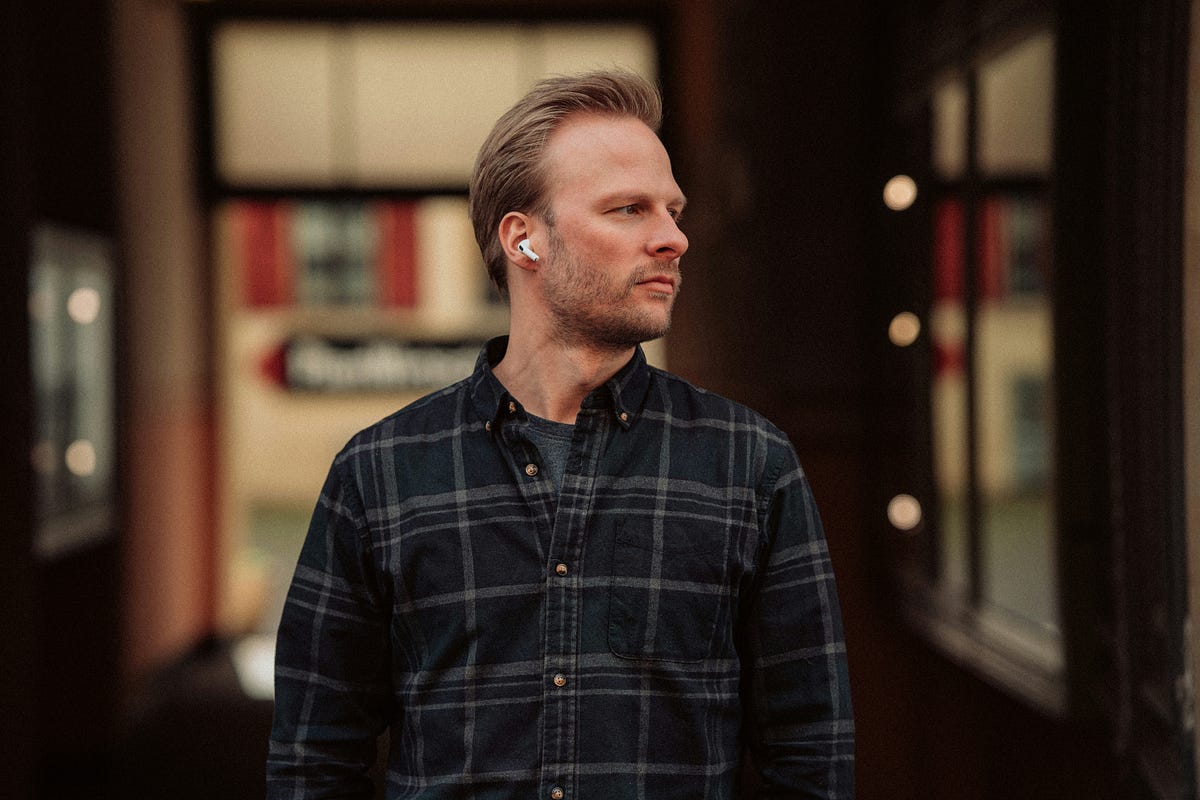
Apple is reportedly adding small cameras to the stems of future AirPods, a move that has drawn immediate skepticism and privacy concerns. The reaction echoes 2016, when the original AirPods were mocked as a “tampon without a string” before becoming one of the most common wireless earbuds on the market. The question for investors is whether the camera-equipped version will follow the same trajectory.
The Apple Watch faced a similar cycle. At launch, reviewers questioned its purpose. The Verge found it too ambitious. Tag Heuer’s CEO told CNBC that children would not be able to inherit an Apple Watch because the technology would stop working. Then Apple iterated. It dropped the gold model, added GPS, and made the watch water-resistant. By 2019, the Apple Watch outsold the entire Swiss watch industry combined, with 31 million units shipped versus 21 million from Swiss brands, according to CNBC figures.
Not every product survives the mockery stage. The Magic Mouse, with its charging port on the bottom, remains a running joke. The Vision Pro headset shipped roughly 45,000 units in the final quarter of 2025, and production was reportedly paused while advertising spending was cut by more than 95%, per market estimates cited by PYMNTS. The difference is utility. AirPods solved a real problem: easy pairing, a fit that worked for many users, and the freedom of no wires. The Magic Mouse and Vision Pro did not solve a problem better than alternatives.
Camera AirPods aim to solve a different problem: giving Siri visual context. According to Bloomberg’s Mark Gurman, the stems would contain small, low-resolution cameras that act as “eyes” for the assistant, enabling hands-free queries about the wearer’s surroundings. Macworld notes the system would not capture photos or video but provide visual data so Siri could understand what the user is looking at. Possible use cases include asking what to cook from ingredients on a counter, or getting directions that point to a specific landmark.
Privacy is the biggest hurdle. Apple’s answer is an LED indicator that lights up when visual information is being collected. SoundGuys pointed out that a light beside the ear may not be visible to people nearby. A poll of more than 1,700 respondents found that 88% did not want cameras in their AirPods. Some Reddit users questioned whether the idea would work, noting that a camera pointing sideways from the head may not know what the wearer is actually looking at, especially if hair covers the stems.
The 2016 backlash against AirPods focused on appearance and practicality. The current backlash is ethical and social. This time Apple must solve a design problem and a trust problem to win over consumers. For Apple’s wearables segment, which generated roughly $40 billion in revenue in fiscal 2025, the camera AirPods represent a potential growth driver or a misstep. The company’s track record suggests that if the product solves a real problem better than alternatives, the mockery may fade. The risk is that the privacy concerns prove stickier than the design jokes.
Apple has not commented on the reports. The product’s status remains uncertain, with some posts suggesting development has been suspended.