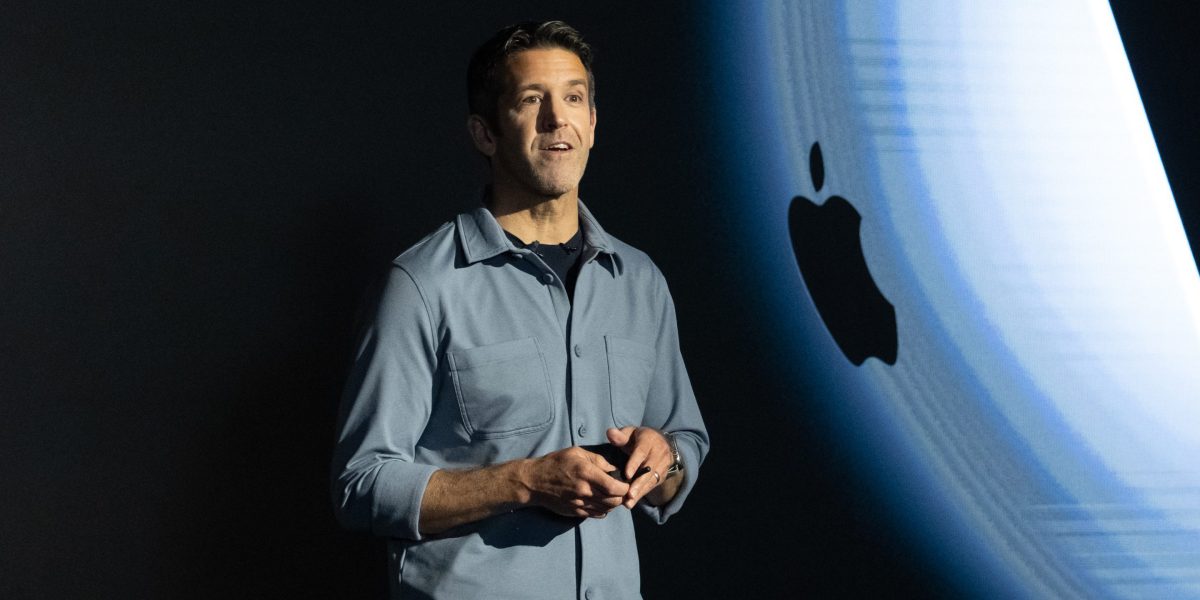
Apple’s announcement that CEO Tim Cook will step down in favor of John Ternus marks a definitive shift in the company’s operational trajectory. While the market reaction remained muted, the transition represents a calculated move to align the firm’s executive leadership with its long-term artificial intelligence roadmap. Cook leaves the company at a period of high stability, having successfully navigated complex supply chain challenges and global regulatory environments during his tenure.
The Ternus Mandate and AI Execution
John Ternus, currently the head of hardware engineering, brings a technical pedigree that differs significantly from Cook’s operations-focused background. His leadership of the hardware division positioned him as the primary architect behind the integration of proprietary silicon across the Mac and iPad lineups. This technical expertise is now the central pillar of Apple’s strategy to embed AI capabilities directly into consumer hardware. By elevating an engineer to the top role, the board signals that future growth will rely on hardware-software synergy rather than purely operational efficiency.
The transition is structured to ensure continuity in the company’s core business segments. Ternus has been instrumental in the development of the company’s recent hardware iterations, which serve as the foundation for the next generation of AI-enabled devices. His appointment suggests that the company intends to prioritize internal development cycles over aggressive external acquisitions to maintain its competitive advantage in the technology sector.
Sectoral Positioning and Operational Continuity
Apple currently maintains an Alpha Score of 60/100 with a Moderate label, reflecting a balanced outlook as it navigates this leadership change. The stock, currently priced at $273.05 and up 1.04% today, continues to trade within a range that suggests investors are awaiting further clarity on the new CEO’s specific product priorities. You can track the latest performance metrics on the AAPL stock page to monitor how the market digests the transition over the coming quarters.
For the broader technology sector, this move underscores a trend toward prioritizing technical leadership to manage the complexities of AI deployment. As companies like those detailed in our Apple (AAPL) profile shift their focus toward on-device intelligence, the ability to control the entire hardware stack becomes a primary differentiator. The following factors will define the success of this transition:
- The preservation of existing supply chain relationships established under Cook.
- The speed at which Ternus integrates AI-specific hardware features into the flagship iPhone lineup.
- The management of ongoing regulatory scrutiny regarding the company’s App Store and ecosystem policies.
Investors should look for the next set of guidance updates to determine if the leadership change will result in a shift in capital allocation or R&D spending. The upcoming quarterly filings will provide the first concrete evidence of how the new management team intends to balance legacy hardware margins with the high costs associated with scaling artificial intelligence infrastructure. This transition sets the stage for a period where Apple’s ability to execute on its internal roadmap will be the primary driver of its valuation relative to its peers in the stock market analysis landscape.