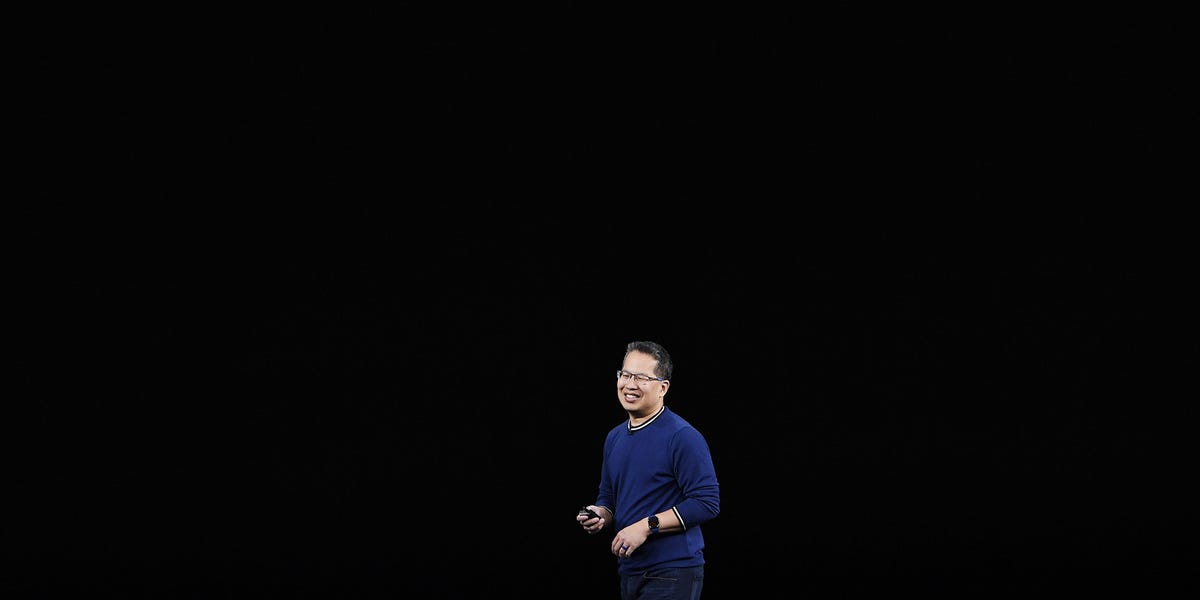
The retirement of Stan Ng, a marketing executive with a 31-year tenure at Apple, marks a significant generational shift within the company's product leadership. Ng played a central role in the development and market introduction of core hardware segments, including the AirPods and Apple Watch. His departure highlights the transition of institutional knowledge from the era of rapid hardware expansion to the current phase of ecosystem refinement.
Institutional Memory and Product Evolution
Apple has historically relied on long-tenured executives to maintain its design philosophy and product integration standards. Ng's career spanned the transition from desktop computing dominance to the proliferation of wearable technology and personal audio devices. His exit underscores the challenge of maintaining a consistent product narrative as the company moves toward new hardware categories. The departure of a veteran who oversaw the launch of high-margin accessories suggests that the company is shifting its internal focus toward software-led services and integrated health features.
The Shift in Marketing Strategy
Marketing at Apple has evolved from a focus on individual product launches to a strategy centered on the interconnectedness of the ecosystem. The transition of leadership in this division reflects a broader move to prioritize user retention and subscription-based service growth. Investors often look to these leadership changes as indicators of whether a company can sustain its innovation pipeline without its original architects. While the departure of a 31-year veteran is a natural progression, it forces a re-evaluation of how Apple (AAPL) profile maintains its brand identity during periods of hardware saturation.
Succession and Operational Continuity
Leadership stability is a primary factor in the valuation of large-cap technology firms. When executives with decades of experience leave, the market focuses on the depth of the bench and the ability of the next generation to replicate past successes. The company has historically managed these transitions through internal promotion, which minimizes disruption to product roadmaps. The primary question for stakeholders is whether the new leadership will maintain the same level of focus on hardware-software synergy that defined the previous decade.
AlphaScala data indicates that long-tenured executive departures in the technology sector often precede shifts in capital allocation toward research and development. This trend is consistent with the firm's current focus on integrating artificial intelligence into its existing hardware stack.
The next concrete marker for this transition will be the upcoming quarterly product roadmap update. Observers will look for changes in the marketing language surrounding new hardware releases to determine if the departure of veteran leadership has influenced the company's core messaging strategy. This will serve as a test of whether the institutional culture remains intact or if the company is moving toward a more decentralized approach to product development. Understanding these shifts is essential for stock market analysis regarding long-term growth sustainability.