Back to Markets
Stocks● Neutral

Vatican Outreach in Cameroon Signals Shift in Institutional Influence

April 17, 2026 at 03:52 PMBy AlphaScalaEditorial standardsSource: upi.com
Vatican Outreach in Cameroon Signals Shift in Institutional Influence

Pope Leo XIV's mass in Douala, Cameroon, drew 120,000 attendees, signaling a major shift in the Church's global influence toward high-growth African regions.

The recent gathering of 120,000 attendees at a stadium mass in Douala, Cameroon, led by Pope Leo XIV, marks a significant inflection point for the institutional footprint of the Catholic Church in Africa. This event underscores a broader demographic and cultural shift, as the continent increasingly becomes a primary center of gravity for the organization's global operations and influence. The scale of the attendance reflects a high level of engagement that contrasts with the stagnation seen in more traditional Western strongholds.

Institutional Expansion and Regional Growth

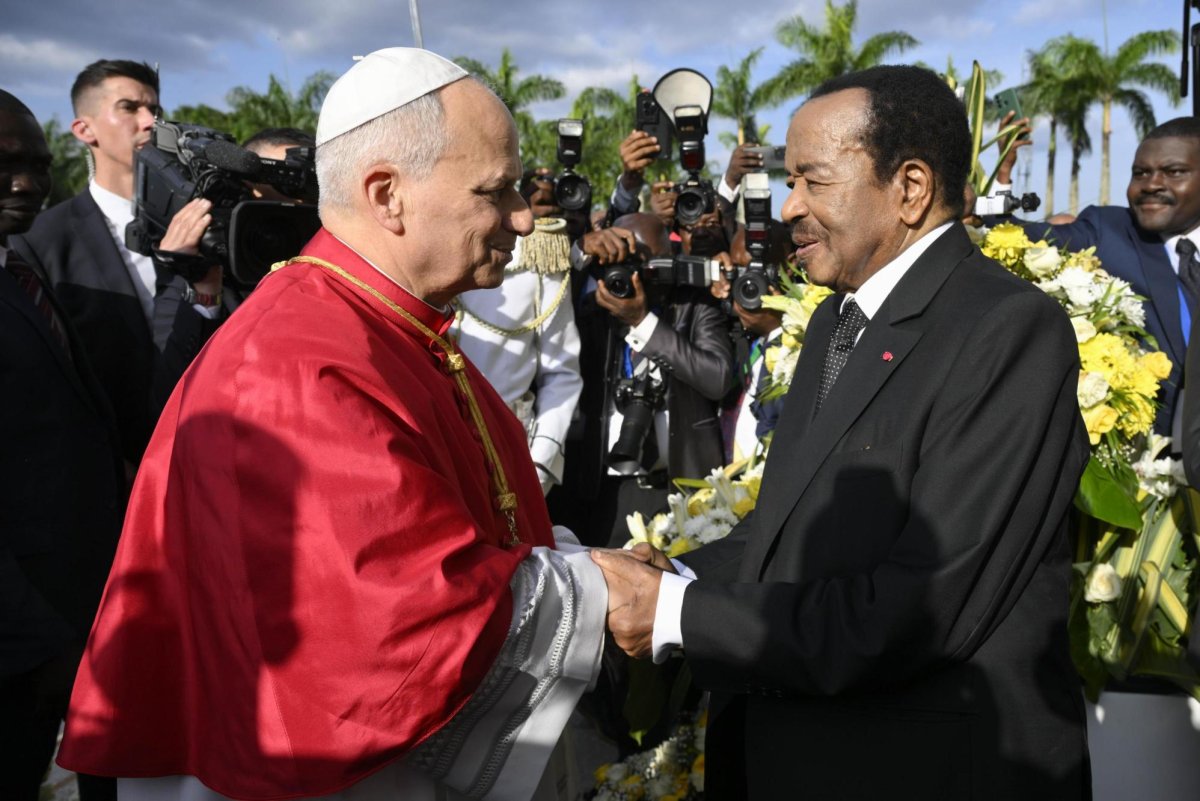
The logistical success of the Douala mass serves as a tangible indicator of the Church's operational capacity within emerging markets. By mobilizing such a large crowd, the Vatican demonstrates its ability to maintain high levels of institutional cohesion and reach in regions where infrastructure and social networks are rapidly evolving. This expansion is not merely symbolic. It represents a strategic pivot toward regions where the population base is expanding, providing a foundation for long-term institutional stability that is currently lacking in older, more secularized markets. The meeting between Pope Leo XIV and President Paul Biya further cements the alignment between ecclesiastical interests and regional political stability.

Economic and Social Implications of Demographic Shifts

The movement of institutional influence toward Africa has profound implications for how global organizations manage their presence in the developing world. As the Church reallocates resources and attention to these high-growth regions, it creates a template for other global entities looking to capture engagement in areas with high demographic momentum. This shift is consistent with broader trends in stock market analysis where capital and interest are increasingly directed toward regions with favorable population dynamics. The ability to command such large-scale public participation suggests that the Church remains a potent force in shaping social and economic discourse in Cameroon and beyond.

AlphaScala Data Context

AlphaScala data indicates that institutional influence in emerging markets often correlates with increased local investment in social infrastructure and community-based services. The scale of the Douala event suggests that the Church is successfully positioning itself as a primary provider of social capital in the region, which may influence future local policy and economic development trajectories. This development mirrors the broader institutional focus on The Mises Institute and the Economic Critique of Christian Socialism as observers evaluate how traditional institutions adapt to modern economic realities. The focus remains on how these organizations leverage their reach to maintain relevance in a rapidly changing global landscape.

How this story was producedLast reviewed Apr 17, 2026

AI-drafted from named sources and checked against AlphaScala publishing rules before release. Direct quotes must match source text, low-information tables are removed, and thinner or higher-risk stories can be held for manual review.

Editorial Policy·Report a correction·Risk Disclaimer

Asset Profiles