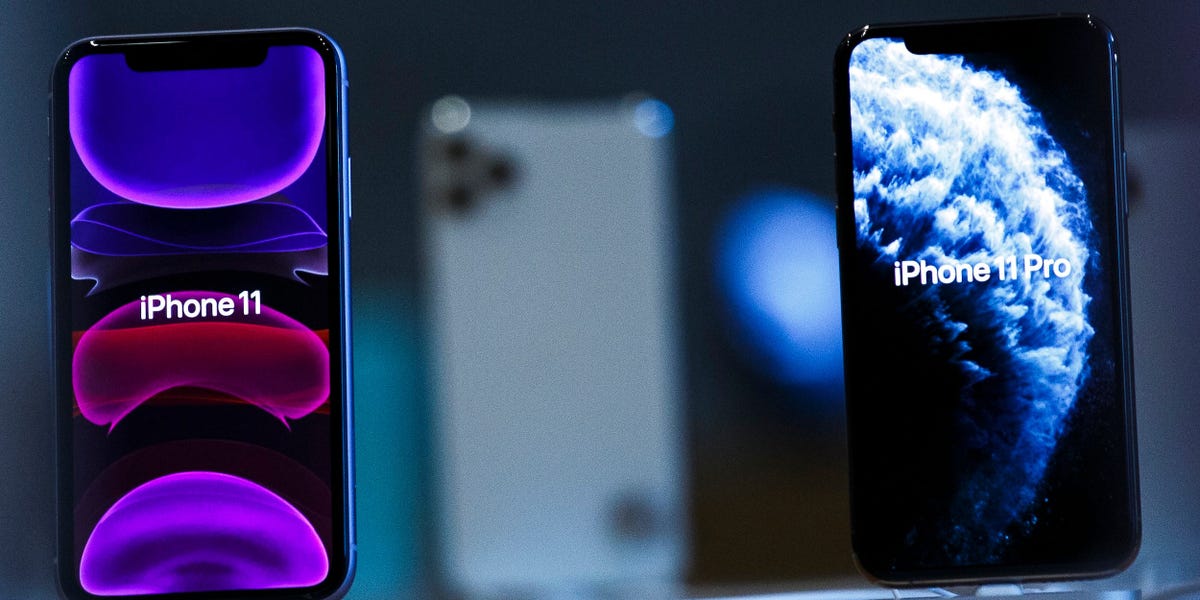
Catalyst at WWDC: CPU Scheduler for iPhone 11 and Later
Apple announced at its Worldwide Developers Conference that the CPU scheduler efficiency improvement will roll out to iPhones as old as the iPhone 11. The change is designed to make older devices feel more responsive, extending their usable life without hardware upgrades. For the roughly 200 million iPhone users still on models from the XR through the 13 series, this could meaningfully delay the decision to buy a new phone.
The announcement came during the iOS 18 preview, where Apple framed the scheduler as part of a broader performance push. By optimizing how the operating system assigns processor tasks, the scheduler aims to reduce lag in app launches and multitasking on devices with older A13 Bionic and A14 Bionic chips.
The Mechanism Behind the Performance Lift
A CPU scheduler decides which tasks get processor time and in what order. Older schedulers treated all core types equally. Apple’s updated version prioritizes foreground tasks and low-latency interactions while deferring background processes. That reduces the perceived stutter when switching apps or typing, even on hardware with fewer cores and less memory.
The practical effect: an iPhone 11 running iOS 18 should feel closer in responsiveness to an iPhone 15 than it did on iOS 17. This is achieved through software alone, no battery replacement or chip upgrade required.
Why this matters now: each iOS release historically added features that strained older chips, pushing users toward upgrade. Apple is reversing that trend. By subsidizing the experience of older devices, the company protects its installed base – the foundation of its services revenue stream.
What This Changes for Apple's Upgrade Cycle
The conventional market read expects Apple to drive iPhone unit growth each year. The better market read acknowledges that services revenue now accounts for over 22% of total revenue and carries higher margins. Extending the usable life of older iPhones keeps users inside the App Store, iCloud, Apple Music, and Apple Pay ecosystem for longer.
If the scheduler works as described, the upgrade cycle could lengthen by six months to a year for a meaningful subset of users. That reduces near-term iPhone hardware sales but increases lifetime value per user. The net effect on AAPL revenue depends on the magnitude: each delayed upgrade costs Apple the hardware margin but preserves the services annuity.
Investors should track two data points: iPhone upgrade rates in the September quarter following the iOS 18 release, and average revenue per user in the services segment. If services growth accelerates while hardware units hold steady, the scheduler will have worked. If hardware units drop sharply, the trade-off will start to pressure valuation.
Decision Point: Watch iPhone 16 Demand and Services Margins
The next catalyst is the launch cycle for iPhone 16 this fall. If pre-orders come in below consensus, analysts will attribute part of the weakness to improved performance on older models. If pre-orders meet or beat expectations, the scheduler’s effect on demand appears small.
Apple’s Q4 earnings call will provide the clearest signal. Management commentary on upgrade rates and installed base health will replace vague guidance. The risk is that the scheduler extends device life so effectively that hardware revenue growth slows below the 3–5% annual rate the market prices into AAPL.
For now, the scheduler is a positive for Apple ecosystem stickiness and a neutral-to-negative for the hardware unit thesis. The next iPhone cycle will reveal which camp is right.
Bottom Line for Trackers
Apple’s CPU scheduler extension to the iPhone 11 turns a software update into a strategic lever. It strengthens the installed base, supports services revenue, and pushes the hardware upgrade decision further out. Investors should monitor iPhone 16 launch data and Q4 services revenue for the real verdict. The scheduler is a long-term trade worth watching for anyone holding or considering AAPL.