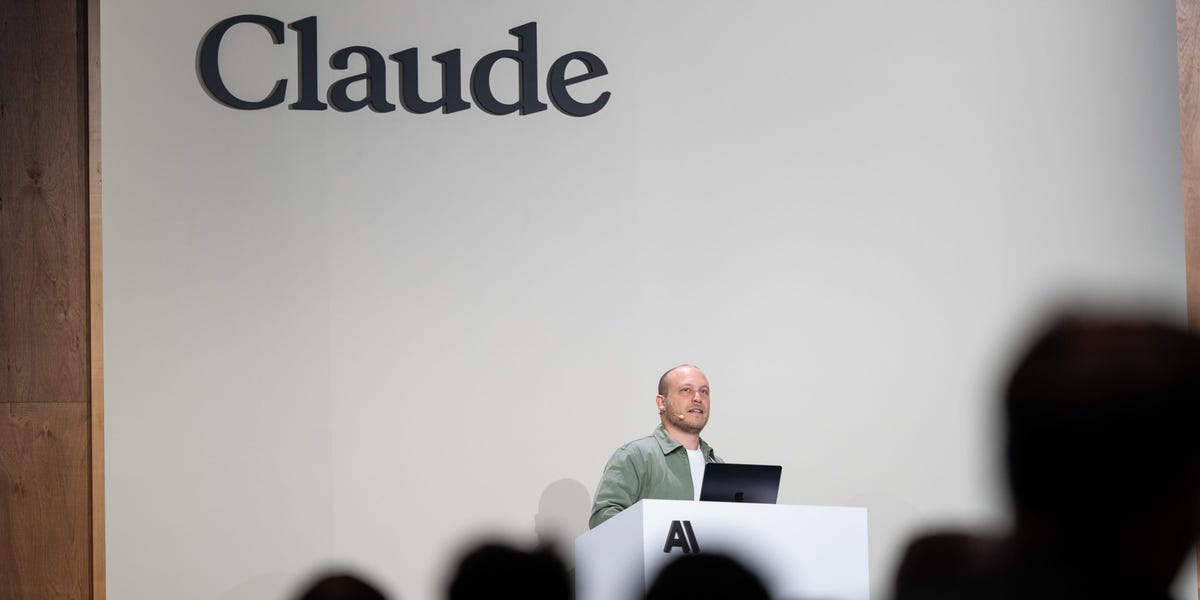
The recent commentary from Boris Cherny, the lead behind Claude Code, signals a pivot in how the developer community should evaluate AI-assisted programming tools. By distancing the product from the colloquial term vibe coding, Cherny is attempting to reframe the conversation around technical utility and deterministic output rather than the speculative enthusiasm that has characterized the sector. This shift is not merely semantic. It reflects a broader maturation in the software development lifecycle where enterprise-grade reliability is becoming the primary metric for adoption over the initial novelty of generative AI interfaces.
For investors and market observers, the read-through is clear. The software sector is moving away from the hype-driven valuation models that defined the early stages of the generative AI boom. Companies that rely on the perception of magic or intuitive ease are finding that their long-term viability depends on integration depth and error reduction. This transition affects the broader ecosystem of AI infrastructure providers and application layer developers who are currently navigating a transition from proof-of-concept deployments to production-grade environments.
When developers move past the vibe coding phase, they begin to prioritize tools that offer verifiable code paths and robust debugging capabilities. This creates a competitive moat for firms that can demonstrate lower hallucination rates and higher code-completion accuracy. The market is beginning to favor platforms that offer transparent model behavior over those that prioritize a seamless, yet opaque, user experience. This trend is likely to compress the valuation multiples of firms that cannot prove their utility in complex, multi-stage software projects.
In the context of the broader financial services landscape, where automated code generation is increasingly utilized for algorithmic trading and risk modeling, the demand for precision is paramount. As noted in recent stock market analysis, the shift toward AI-native finance requires a level of rigor that transcends simple prompt-based interactions. Firms like SAN (Banco Santander, S.A.), which currently holds an Alpha Score of 70/100, are navigating these same technological hurdles as they integrate advanced tooling into their core operations. The focus on reliability over speed is a common theme across sectors attempting to leverage large language models for high-stakes decision making.
Ultimately, the next decision point for the sector will be the release of benchmark data that measures the efficacy of these tools in real-world, non-trivial codebases. Market participants should look for evidence of sustained enterprise adoption rather than anecdotal success stories. If the industry successfully pivots toward measurable engineering outcomes, we should expect a divergence in performance between AI-tooling providers that offer genuine technical depth and those that remain trapped in the narrative of intuitive, vibe-based development.