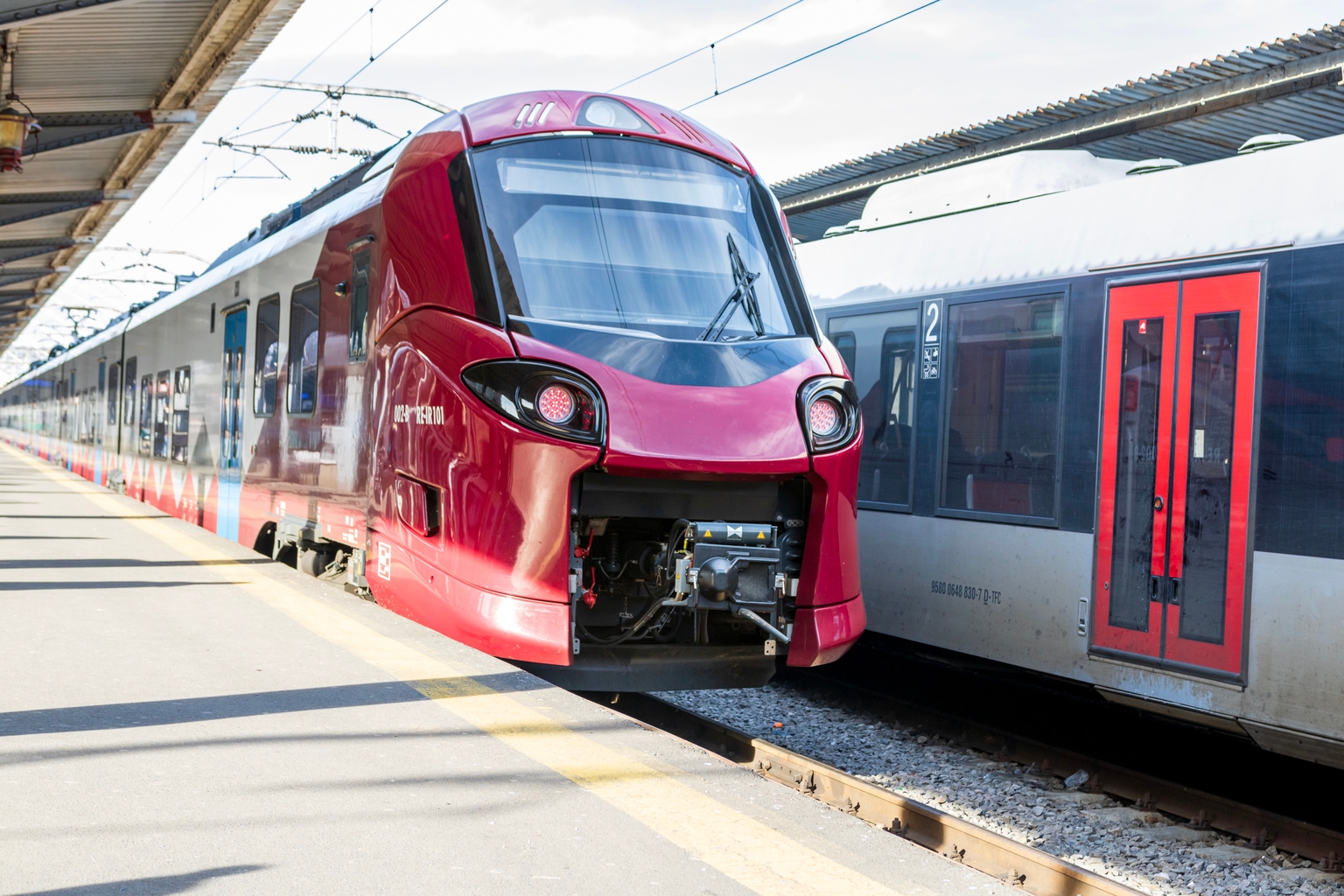
Alstom recently encountered a shift in investor sentiment as the company navigates the complexities of its massive order backlog. The narrative surrounding the rail transport manufacturer has moved from pure growth potential to a focus on operational efficiency and margin preservation. While the company maintains a dominant position in the global rail infrastructure market, the transition from winning large contracts to delivering them profitably remains the primary challenge for the current fiscal cycle.
Operational Execution and Margin Constraints
The core of the current debate centers on Alstom's ability to convert its record-high order book into tangible earnings. Large-scale infrastructure projects often carry long lead times and exposure to inflationary pressures on raw materials and labor. Investors are scrutinizing the company's ability to maintain pricing power as it works through legacy contracts that were signed before the recent period of elevated global inflation. The firm's success now depends on its capacity to streamline production and mitigate cost overruns that have historically pressured the bottom line of major industrial conglomerates.
Sector Read-Through and Competitive Positioning
Alstom operates within a capital-intensive sector that is highly sensitive to government spending and public infrastructure policy. The broader rail industry is currently experiencing a period of consolidation and increased demand for sustainable transportation solutions, which provides a structural tailwind for the firm. However, the company must contend with intense competition from both established regional players and emerging international manufacturers. This competitive landscape limits the company's ability to pass on cost increases to customers, forcing a greater reliance on internal cost-cutting measures to protect margins.
- Focus on the integration of recent acquisitions to achieve synergy targets.
- Management of the net debt position to ensure balance sheet stability.
- Execution of the current order backlog to improve cash flow generation.
Valuation and Future Performance Markers
The valuation of Alstom is currently tethered to its ability to demonstrate consistent margin expansion over the coming quarters. The market is looking for evidence that the company can move past the integration phase of its recent major acquisitions and begin to realize the promised operational efficiencies. If the company fails to show progress in its margin recovery, the stock may face continued volatility despite the strong demand for rail infrastructure.
AlphaScala data suggests that industrial firms with high backlog-to-revenue ratios often face a valuation discount until they prove their ability to execute on long-term contracts without significant margin erosion. This pattern is particularly relevant for Alstom as it attempts to balance its expansive project portfolio with the need for improved profitability.
Investors should look to the next quarterly earnings report for specific updates on the progress of key projects and any revisions to the company's guidance on cash flow generation. The primary marker for future performance will be the company's ability to stabilize its operating margins while simultaneously managing its debt obligations. Any deviation from the projected timeline for margin improvement will likely serve as a catalyst for further re-evaluation of the stock's current price levels. For broader context on industrial sector performance, see our stock market analysis.