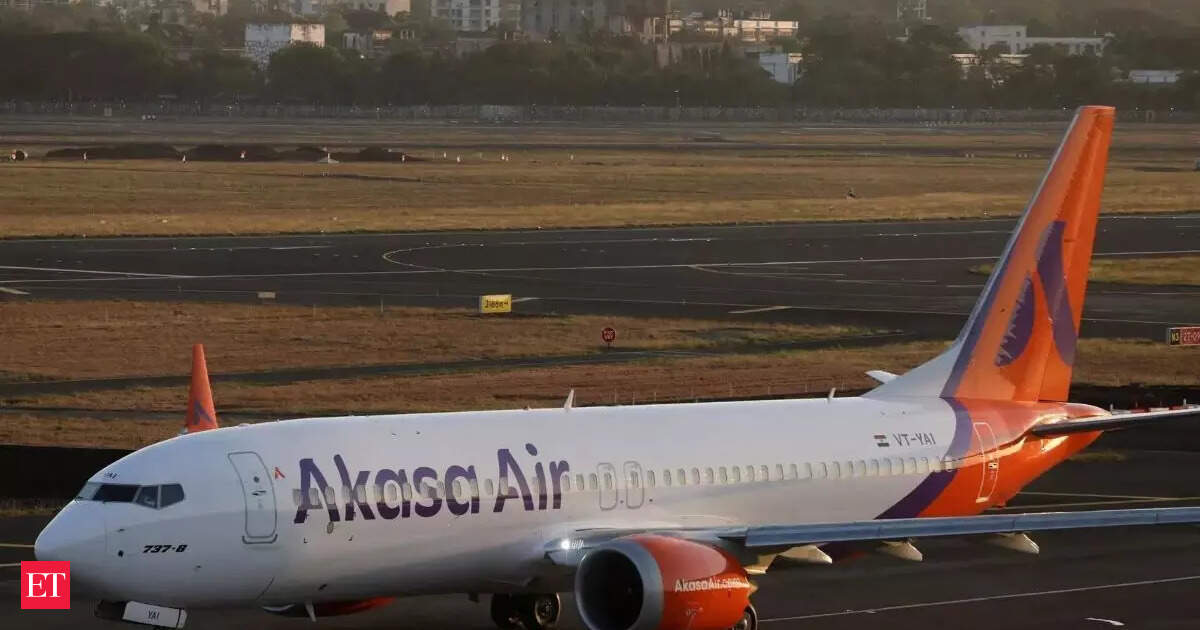
India's youngest carrier, Akasa Air, is adding capacity while larger competitors scale back. The airline expanded seat capacity 13.2% over recent weeks, concentrating on domestic routes. IndiGo and Air India reduced their schedules over the same period, constrained by higher operating costs linked to the Iran war.
The capacity shift creates a two-tier market. Akasa Air operates a single-type Boeing 737 MAX fleet focused on domestic and short-haul flying. That structure gives it lower exposure to the international route disruptions that are crimping incumbents. The read-through for the sector is straightforward: aggressive new entrants gain share during a supply shock, while legacy carriers adjust downward to protect margins.
Iran War Distorts Airline Cost Structures
The conflict in Iran pushed jet fuel prices higher and forced long-haul carriers to reroute flights away from Middle Eastern airspace. Longer paths increase fuel burn and crew time, raising unit costs for airlines dependent on international connections. IndiGo and Air India both have significant networks through the Middle East and Europe. Akasa Air's domestic focus insulates its cost base from most rerouting penalties.
Fuel already accounts for roughly 30–40% of an Indian airline's operating expenses. A sustained increase in crude prices – amplified by the Iran risk premium – squeezes margins at carriers that cannot quickly pass through higher costs to passengers. Akasa Air, with a younger fleet and lower debt load, has more room to absorb fuel shocks while still expanding.
Competitive Dynamics: Share Gain Without Integration Drag
IndiGo has responded by shifting some domestic capacity to shorter stage lengths. That move caps revenue per available seat kilometre. Air India is focused on integrating Vistara and rationalising its network, limiting its ability to compete aggressively on price. Akasa Air faces no such integration drag. It can target price-sensitive leisure and NRI traffic that rivals are de-prioritising.
The expansion assumes demand holds. If the Iran conflict drags on and fuel costs stay elevated, growth could outrun the carrier's ability to fill seats. The low-cost model works only when utilisation stays high. Akasa Air's 13.2% capacity increase is a tactical win in a disrupted market. The strategic question is whether it can sustain that growth without the buffer of international revenue that larger rivals are now sacrificing.
Next Catalyst: Jet Fuel Price Revision
The near-term trigger for airline margins is the next Indian ATF price revision, which typically tracks global crude movements. A further 5–10% increase would test Akasa Air's pricing discipline. Investors tracking the sector should watch monthly load factor data from India's DGCA. A sustained dip in Akasa's load factor below 85% would signal that capacity was added ahead of demand.
For the fuel side of the trade, the Iran situation remains the wild card. Any escalation threatening Strait of Hormuz shipping will lift crude further, directly hitting airline input costs. The crude oil profile and Trump's Iran Comments Restore Oil Risk Premium are current reference points. For broader commodities analysis, the interplay between geopolitical risk and airline operating leverage is worth tracking through the next fuel price cycle.