Delta's 240-plane finlet retrofit trims jet fuel demand
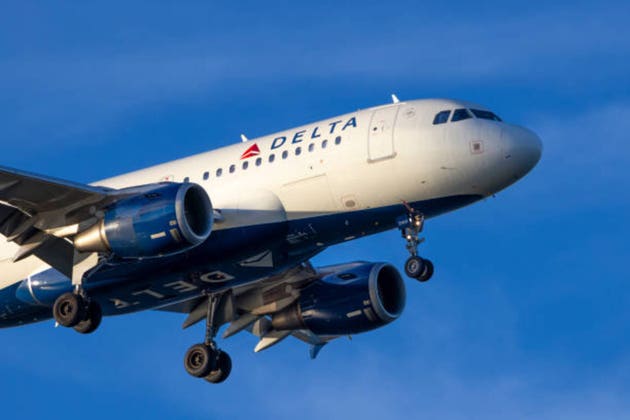
Delta is retrofitting 240 Boeing 737NGs with VCT finlets to cut drag and fuel burn. The move reduces jet fuel demand and lowers DAL's operating costs. Here's the commodity angle.
Delta Air Lines is retrofitting 240 of its Boeing 737NG aircraft with vortex control technology (VCT) finlets, a wingtip modification that reduces aerodynamic drag and cuts fuel consumption. The program, announced this week, covers roughly half of Delta's 737NG fleet.
VCT finlets work by smoothing the airflow over the wingtip, lowering induced drag. Airlines that have adopted similar wingtip devices – blended winglets, split scimitar winglets – typically see a 1-3% improvement in fuel efficiency. For a carrier that burned roughly 3.8 billion gallons of jet fuel in 2023, each percentage point saved translates into tens of millions of dollars in annual fuel costs. Delta did not disclose the expected savings or the cost of the retrofit.
The move comes as airlines face sustained pressure on fuel costs and carbon emissions. Jet fuel remains the largest operating expense for most carriers, and the industry has committed to net-zero emissions by 2050. Fleet retrofits offer a near-term lever: they improve efficiency on existing planes without the multi-year wait for next-generation aircraft.
For Delta, the finlet installation is a low-capital, high-return operational tweak. The airline's Alpha Score of 59 (Moderate) reflects the stock's balanced risk-reward profile. The fuel savings will compound over the remaining life of the 737NGs, which Delta expects to fly for another decade or more.
The commodity angle is subtle but real. Delta is one of the largest jet fuel consumers in the United States. A 1% reduction across 240 planes shaves about 8-10 million gallons per year from the airline's total burn. That is a rounding error in the global jet fuel market – roughly 7 billion barrels a year – but the signal matters. If other major carriers follow Delta's lead, the cumulative reduction in jet fuel demand could begin to soften crack spreads and weigh on crude oil import flows in regions dominated by airline hubs.
The better market read treats this as a gradual structural shift, not a sudden shock. Fleet retrofits take time and capital. Delta's program is one data point in a longer trend toward more efficient aircraft operations. Traders watching jet fuel spreads should track airline retrofit announcements as an early indicator of demand erosion. Investors in DAL can view the finlets as a margin buffer that reduces exposure to crude price spikes – a small but real edge in an industry where fuel cost volatility is a constant risk.
The retrofit covers Delta's entire 737NG fleet, with no timeline for completion provided. Boeing, the aircraft manufacturer, supplies the 737NG but is not directly involved in the finlet installation. Delta will perform the work at its own maintenance facilities.
Drafted by a large language model from the source reporting linked above, then screened by automated publishing checks. It is not read by a journalist before publication. Some articles cite our Alpha Score. Verify prices and figures against the original source. Educational coverage, not personalized advice.