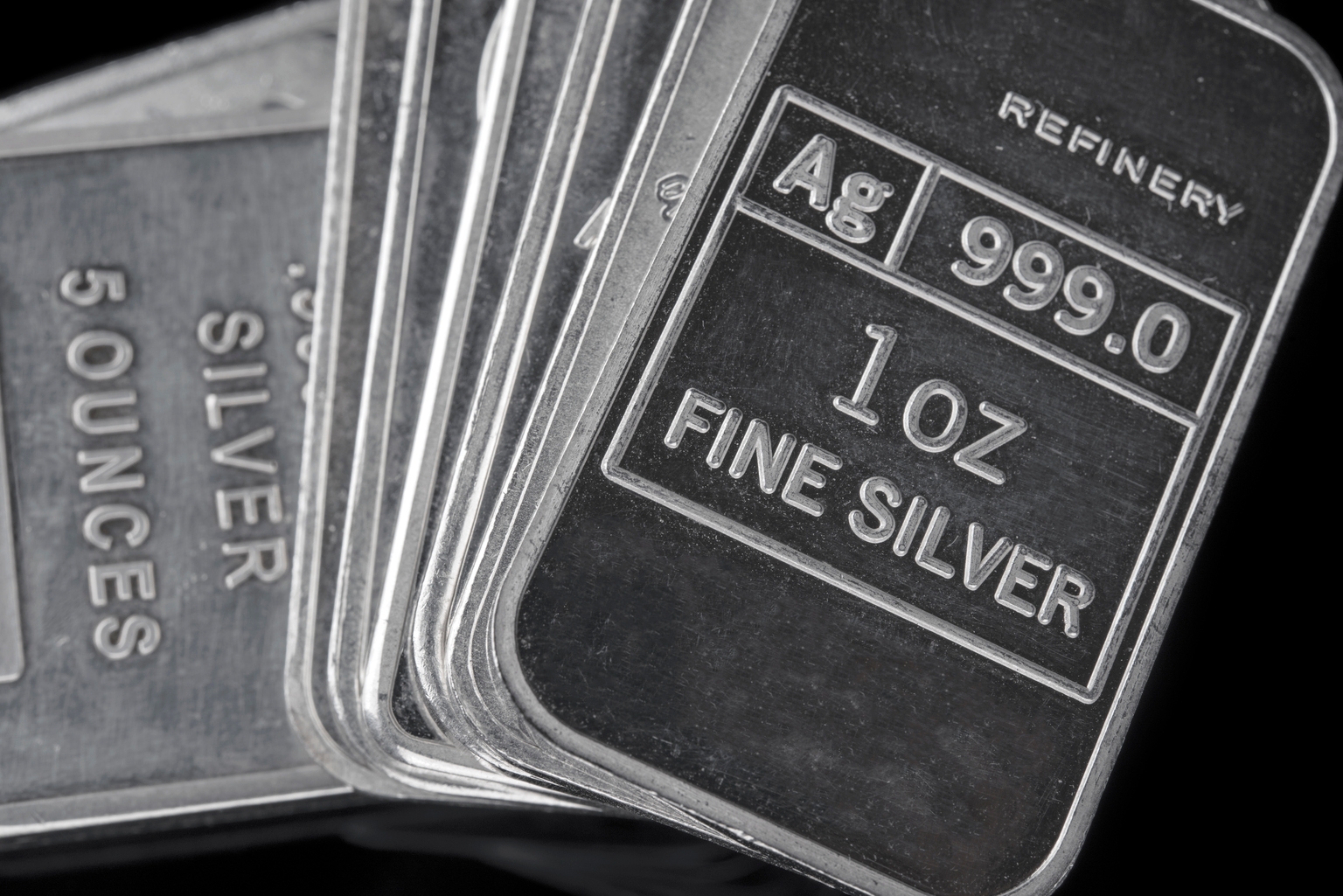
Silver faces a sixth year of structural deficits as industrial demand outstrips supply. Monitor physical premiums and mining output to track the next move.
The silver market is currently navigating its sixth consecutive year of structural deficit as of 2026. This persistent imbalance between global supply and industrial demand serves as the primary driver for recent price action in XAGUSD:CUR. While silver often moves in tandem with broader precious metals, the current cycle is defined by a tightening physical market that distinguishes it from speculative-only rallies. Investors looking for exposure to this trend often turn to commodities analysis to understand how industrial consumption patterns now dictate the floor for physical prices.
The fundamental problem in the silver market is the inability of primary mining output to keep pace with the rapid expansion of industrial applications. Silver is no longer just a store of value or a jewelry component. It has become a critical input for high-growth sectors including solar energy production and advanced electronics manufacturing. Because silver is frequently a byproduct of lead, zinc, or copper mining, production levels are often tied to the economics of those base metals rather than the price of silver itself. This creates a supply inelasticity that prevents miners from quickly ramping up output even when prices rise significantly.
When industrial demand spikes, the market cannot simply flip a switch to increase extraction. This lag between price signals and new production capacity is the mechanism behind the current deficit. As inventories are drawn down to meet the immediate needs of manufacturers, the physical market becomes increasingly sensitive to any disruption in the supply chain. This sensitivity is a key factor for those tracking the gold profile as well, though the industrial intensity of silver creates a unique volatility profile that gold lacks.
The naive interpretation of this deficit is that price must rise linearly until supply meets demand. However, the market mechanism is far more complex. In a deficit, the cost of carry for physical silver increases, and the basis between spot and futures prices can shift to reflect the scarcity of deliverable metal. Traders should focus on the behavior of physical premiums and the depth of warehouse stocks. If industrial buyers begin to bypass traditional exchange channels to secure long-term supply contracts, the liquidity in public markets may thin, leading to sharper price swings during periods of macroeconomic uncertainty.
For those evaluating the sector, the next concrete marker is the release of updated annual production data and inventory reports from major refining hubs. Any sign that industrial demand is cooling due to high prices would weaken the deficit thesis. Conversely, if primary miners report further delays in project commissioning, the structural deficit will likely deepen, providing a sustained tailwind for the metal. Monitoring the relationship between industrial output growth and mining capital expenditure remains the most reliable way to gauge the durability of this trend.
AI-drafted from named sources and checked against AlphaScala publishing rules before release. Direct quotes must match source text, low-information tables are removed, and thinner or higher-risk stories can be held for manual review.