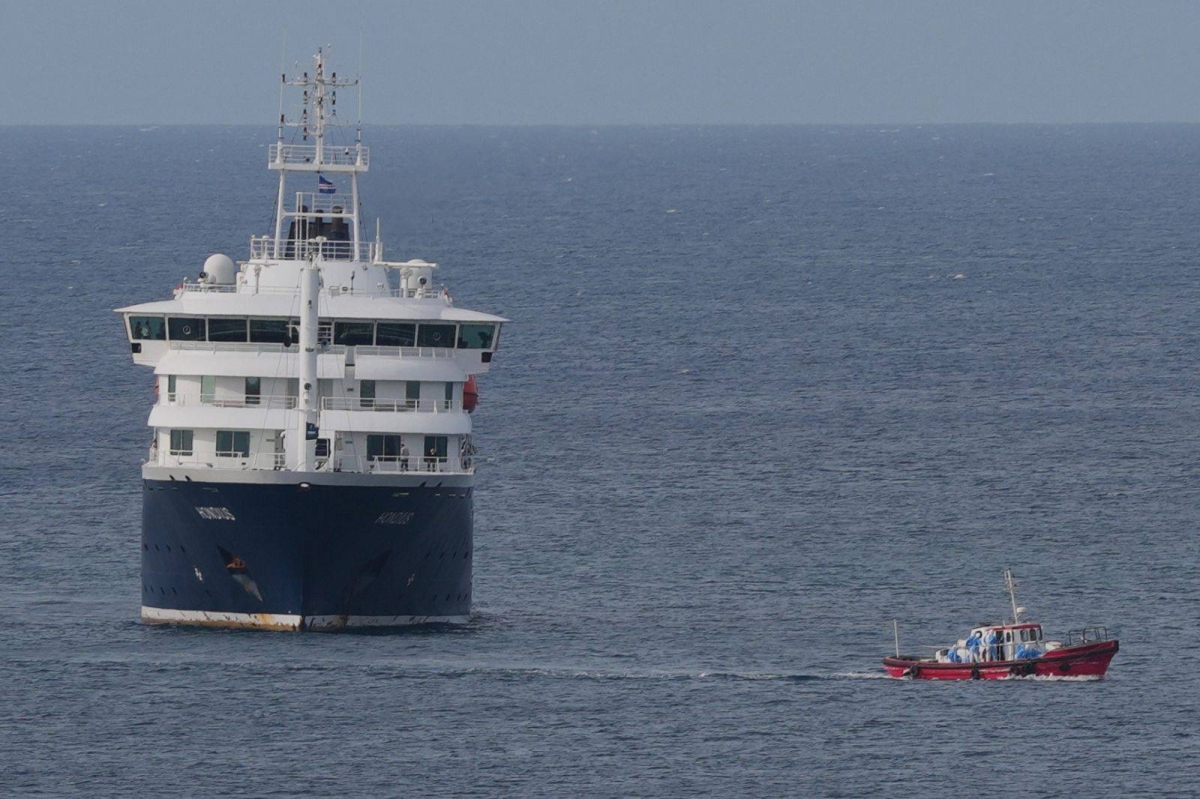
A hantavirus case on the expedition vessel MV Hondius has triggered the quarantine of 17 Filipino crew members in the Netherlands. The crew were evacuated from Tenerife and landed at Eindhoven Airport early Tuesday, where they underwent medical tests before entering designated quarantine facilities. Another 17 crew remain on the ship and are scheduled to arrive in Rotterdam on May 18. The Philippine Embassy is coordinating repatriation for all 38 Filipino crew.
The incident does not involve a publicly traded company; the ship is operated by privately held Oceanwide Expeditions. The quarantine, however, lands squarely on a nerve that the cruise industry has spent years trying to desensitize: the market’s hair-trigger reaction to any shipboard health event, regardless of scale or transmission mechanism.
Expedition Vessel Quarantine and Cruise Sector Sensitivity
Publicly traded cruise operators have rebuilt consumer demand to record levels after the pandemic-era lockdowns. Carnival Corporation (CCL), Royal Caribbean Group (RCL), and Norwegian Cruise Line Holdings (NCLH) all carry residual volatility linked to headlines about quarantined ships. Even isolated norovirus outbreaks on a single vessel have historically caused sector-wide share price dips, as travel insurance costs and cancellation fears ripple through forward bookings. The current quarantine involves a hantavirus case, a rodent-borne pathogen that does not spread person-to-person in the same manner as COVID-19. The market, however, often treats all shipboard health scares as a single narrative, punishing the group first and asking questions later.
This sensitivity matters now because the cruise sector is pushing record advance ticket sales and premium pricing. Any sustained news cycle around a quarantine event can test that demand narrative. The Hondius situation is contained to crew and involves a small number of people. The risk is not the direct financial impact on Oceanwide Expeditions, which is private. The risk is that the headlines remind investors and travelers of confined-space health risks, potentially softening booking momentum across the industry.
Expedition Cruise Niche Under the Microscope
The MV Hondius is a polar-class expedition ship, a niche that has seen rapid capacity growth as operators chase high-margin adventure travelers. The expedition cruise market has expanded at a double-digit annual pace, drawing investment from major cruise conglomerates and specialist operators alike. Several publicly listed companies have exposure to this segment. Lindblad Expeditions Holdings (LIND) operates National Geographic-branded expedition ships. Royal Caribbean’s Silversea Cruises includes expedition itineraries. While none of these firms are directly involved in the Hondius incident, the quarantine highlights the operational risks unique to remote-area cruising. Medical evacuations and port-of-call restrictions can escalate quickly in such settings.
If Dutch health authorities extend quarantine protocols or if additional cases emerge among the remaining crew, the event could prompt a broader review of biosecurity measures on small-ship expeditions. That would raise compliance costs and potentially delay seasonal deployments, a margin headwind for operators already managing high fuel and labor expenses. For now, the direct exposure is limited. The read-through to expedition-focused names remains clear.
May 18 Rotterdam Arrival as Next Checkpoint
The 17 crew members still aboard the Hondius are scheduled to reach Rotterdam on May 18. That arrival will be the next concrete checkpoint for the market. A smooth disembarkation with no new positive tests would likely limit the story’s shelf life and allow the sector to refocus on demand trends. Additional cases or an extended quarantine order, however, would keep the health-risk narrative alive and could spill into the share prices of expedition-focused cruise lines. The pattern of past health scares suggests that traders should not dismiss a contained event outright, especially when the sector is trading at elevated multiples and depends on uninterrupted booking strength.