Market Analysis
Opinionated, data-backed coverage across all asset classes

CRDO's Q1 Earnings to Test 90.85x P/E Amid Insider Selling
CRDO reports Q1 FY2027 earnings on Sept. 1 with 88% beat rate; GF Value shows 0.9% discount but insider selling and valuation compression raise questions.
Avanti Gold Raises C$35M for DRC Drill Program
Avanti Gold raised C$35M from SCP Resource Finance to fund a 42,000m drill program at its Misisi Project in the DRC. The stock trades at C$0.38, below the placement price, with a GF Score of 12.

Wuxi AppTec Dividend Up 47% as GF Value Flags 60% Overvaluation
Wuxi AppTec raised its interim dividend 47% to RMB 1.51 billion. GF Value puts intrinsic value at $15.94 a share, 60% below the current $25.56 price.

Crypto token buybacks hit record $638M in 2026
Crypto projects spent $638M on token buybacks in 2026, up 17% from 2025. Hyperliquid and Pump.fun drove 90% of the total. The surge tests whether fee revenue can sustain repurchases through weaker trading periods.
Aschenbrenner bets billions on ex-Bitcoin miners' power assets for AI
Aschenbrenner's Situational Awareness LP held $13.67B in equity exposure by March 31, betting former crypto miners' power assets are the real AI bottleneck over chips.

UK Tax Report: 240 Crypto Millionaires Declared £717M Gains
HMRC's first official crypto gains data shows 240 individuals with over £1m gains, £717m total. Tax letters hit 81,000 as agency intensifies compliance drive.

BitGo Buys NYDIG's Institutional Trading Business in $42.5M Deal
BitGo paid $7M cash and $35.5M in stock for NYDIG's institutional trading arm. The deal brings 30 employees, 250 client relationships, and derivatives and financing operations under BitGo's custody platform.
SpaceX Lockup: SPCX Token Risks Through December 8
SPCX token holders face five lockup release dates through Dec 8. The Oct 24 Saturday release creates a weekend trading gap. Issuer risk and tax treatment differ from direct shares.

CVX Venezuela Deal: Dividend Safety vs GF Value Overvaluation
Chevron trades 25.7% above its GF Value of $160.53, but a 3.49% yield and 64% payout ratio keep the dividend safe. Insider selling of $637M contrasts with cautious institutional buying. Venezuela deal adds optionality but no near-term earnings.
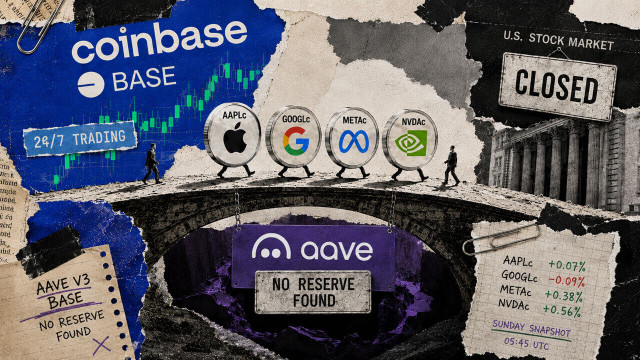
Weekend Trading Gap Emerges for Coinbase B20 Stock Tokens
Coinbase's B20 tokens on Base traded within 0.6% of Friday's close over the weekend, but the 48-hour gap between secondary trading and primary settlement remains untested as a collateral risk.

S&P500: Sector Rotation Holds as Warsh Reprices September Fed Forecast
Warsh's speech pushed September Fed hike odds to 58%, triggering a bond selloff and a rotation out of tech into consumer, energy, and communication services. The S&P 500 held near 7,712.
Trezor Warns of AI Clones and Phishing After ShipMonk Breach
Trezor's security chief warns of AI-cloned apps and vishing after the ShipMonk breach exposed 11,742 customers. Trezor hardware wasn't compromised.