SpaceX Lockup: SPCX Token Risks Through December 8
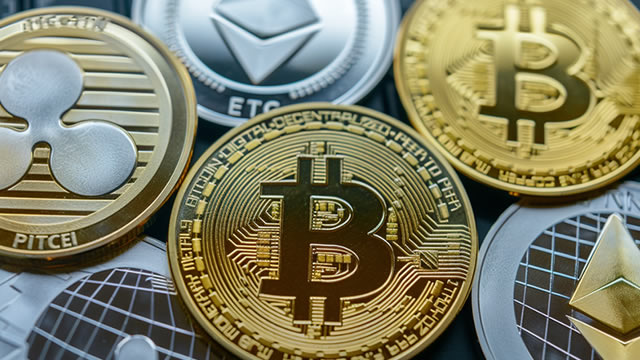
SPCX token holders face five lockup release dates through Dec 8. The Oct 24 Saturday release creates a weekend trading gap. Issuer risk and tax treatment differ from direct shares.
Alpha Score of 49 reflects weak overall profile with strong momentum, poor value, moderate quality. Based on 3 of 4 signals – score is capped at 90 until remaining data ingests.
SpaceX's lockup does not expire on a single day. The prospectus filed with the SEC on June 12, 2026, sets five release dates through December 8: September 9, September 24, October 9, October 24, and December 8. For holders of tokenized SPCX stock, this calendar carries risks that differ from direct shareholders.
The releases apply only to the 180-day lockup group, which accounts for about 4.56 billion shares based on CNN's August 6 report that 911.5 million shares were released in the first 20% stage. Each subsequent 7% stage releases roughly 320 million shares, according to that calculation. The extended group held by anchor shareholders remains locked until after second-quarter 2027 results. The founder's shares are locked until June 12, 2027, with no early release.
A tokenized stock tracks the price of a deposited share but gives the holder no voting rights, no direct relationship with the company, and no position in the share register. The value depends on the issuer's promise to redeem at the underlying price. Issuer risk sits at the center of the construction: if the platform suspends trading or the issuer fails, the token holder has no recourse to the actual share.
October 24 falls on a Saturday. The Nasdaq is closed that day. A shareholder can react to the release on Monday at the earliest. A stock token trades around the clock, weekends included. Over that weekend the token reflects only what the crypto market makes of the release, without the reference price it otherwise uses. Order books are thinner, and the premium between the token price and the last closing price of the share can widen in either direction. Anyone selling into that order book on a Saturday evening pays that gap.
The first release on August 6 gave a preview. The stock fell almost 14% the day before, closing at $108.27, an all-time low. On the release day the price rose more than 6%. The market had anticipated the selling pressure, and retail investors bought on net every trading day, according to CNN.
Analysts offered contrasting views in the same coverage. Jay Ritter, professor emeritus at the University of Florida, said that when less selling pressure emerges than expected, the price sometimes rises on a release. Usually it falls, he said. Ryan Lee of Direxion pointed to early shareholders sitting on gains and having a reason to sell. Justus Parmar, founder of Fortuna Investments and himself invested, countered that an inflow of new shares can weigh on any price in the short term but changes nothing about the business picture. Viraj Patel of Vanda noted that retail demand was strong on every trading day.
Tax treatment for tokenized stocks differs from direct shares in Germany. A sale around a lockup release date can break a holding period that would have expired four weeks later. Token holders should know their purchase data and check whether their platform provides a tax certificate that qualifies under German law.
The next release date is September 9, 2026. Token holders should verify their platform's issuer supervision and redemption terms before that date. The prospectus and CNN's August 6 coverage are the key sources for the calendar and the first release experience.
Drafted by a large language model from the source reporting linked above, then screened by automated publishing checks. It is not read by a journalist before publication. Some articles cite our Alpha Score. Verify prices and figures against the original source. Educational coverage, not personalized advice.