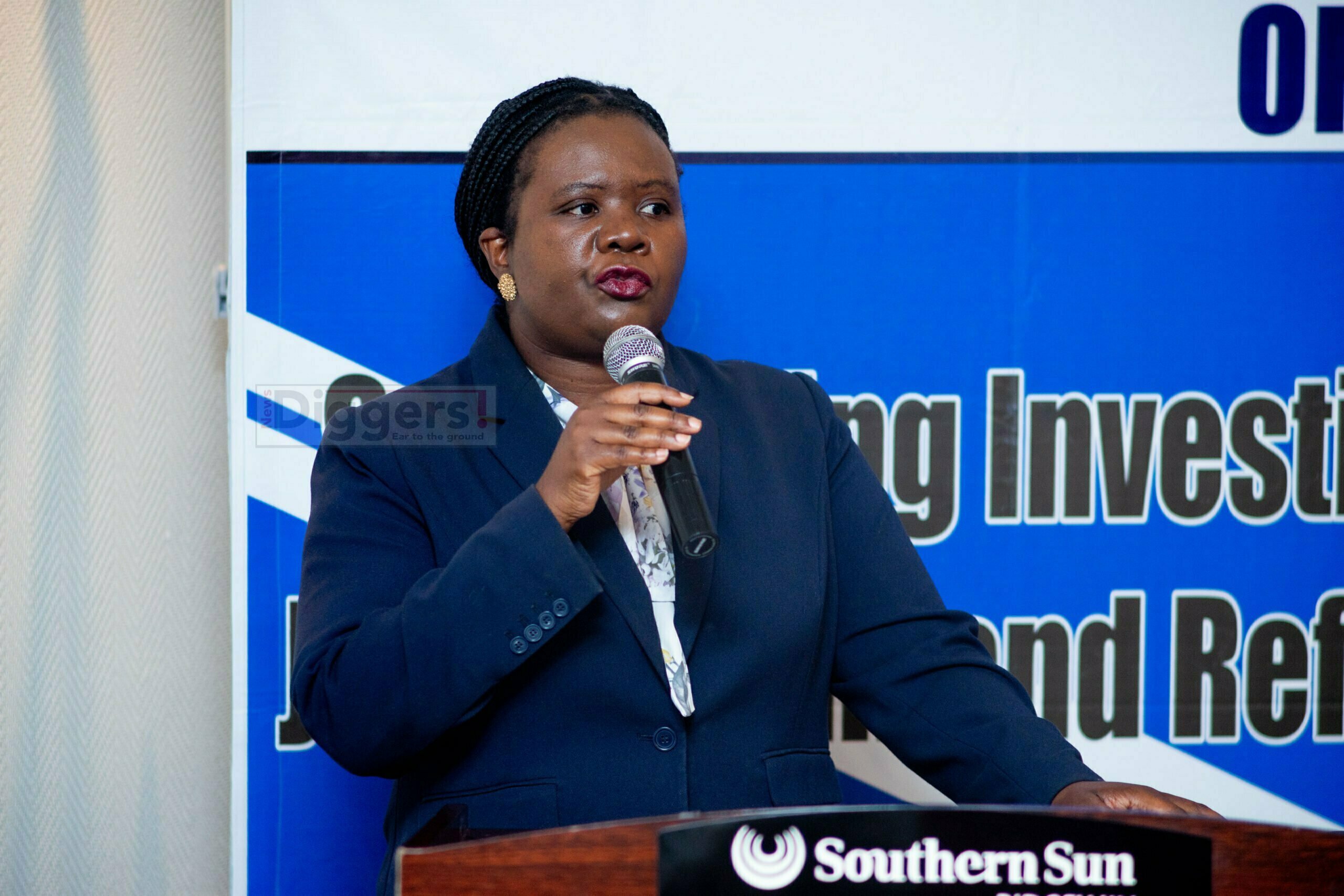
The Zambian government has officially canceled the RightsCon 2026 summit, a decision that has drawn immediate condemnation from a consortium of civil society organizations. This move marks a significant departure from the country's recent efforts to position itself as a stable hub for international dialogue and regional investment. By abruptly terminating the hosting rights for a major global human rights event, the administration has introduced a new layer of uncertainty regarding the nation's commitment to open governance and international cooperation.
Impact on Regional Asset Stability
For investors monitoring emerging markets, the cancellation serves as a bellwether for the political climate in Southern Africa. The sudden shift in policy suggests that the government is prioritizing internal political control over the potential economic benefits of hosting high-profile international gatherings. This creates a challenging environment for firms operating within the region, as the predictability of regulatory frameworks often hinges on the government's willingness to maintain international standards of transparency. The decision may force a re-evaluation of risk premiums for assets tied to regional infrastructure and local development projects.
As noted in our recent analysis on Zambian Legal Settlement Shifts Asset Risk Profile for Regional Infrastructure, the stability of the local business environment is inextricably linked to the government's diplomatic posture. When a state signals a retreat from international scrutiny, it often precedes broader shifts in how foreign capital is treated within the country. Investors should monitor whether this cancellation is an isolated incident or part of a wider trend toward protectionism that could affect long-term capital allocation.
Sectoral Read-Through and Valuation Risks
While the cancellation is primarily a geopolitical event, the implications for the consumer and communication sectors are notable. Companies that rely on a stable, open, and globally integrated Zambian market may face increased operational friction. If the government continues to prioritize restrictive policies, the cost of doing business for multinational firms could rise, impacting margins and long-term growth projections.
AlphaScala data currently tracks various firms across the consumer and communication sectors, including NWSA, AS, and HAS. While these entities have varying exposures to emerging markets, the broader stock market analysis suggests that political volatility in key developing regions often leads to a contraction in valuation multiples for firms with significant regional footprints. The lack of an AlphaScore for companies like NWSA and HAS underscores the difficulty in quantifying these specific political risks, but the market's reaction to such policy shifts remains a critical indicator of investor sentiment.
The next concrete marker for this situation will be the government's formal response to the civil society organizations and any subsequent statements regarding future international partnerships. Any further move to restrict civil discourse or limit the presence of international observers will likely serve as a signal for investors to adjust their exposure to Zambian assets. The market will be watching for any signs of a policy reversal or a clarification of the government's long-term strategy regarding international engagement.