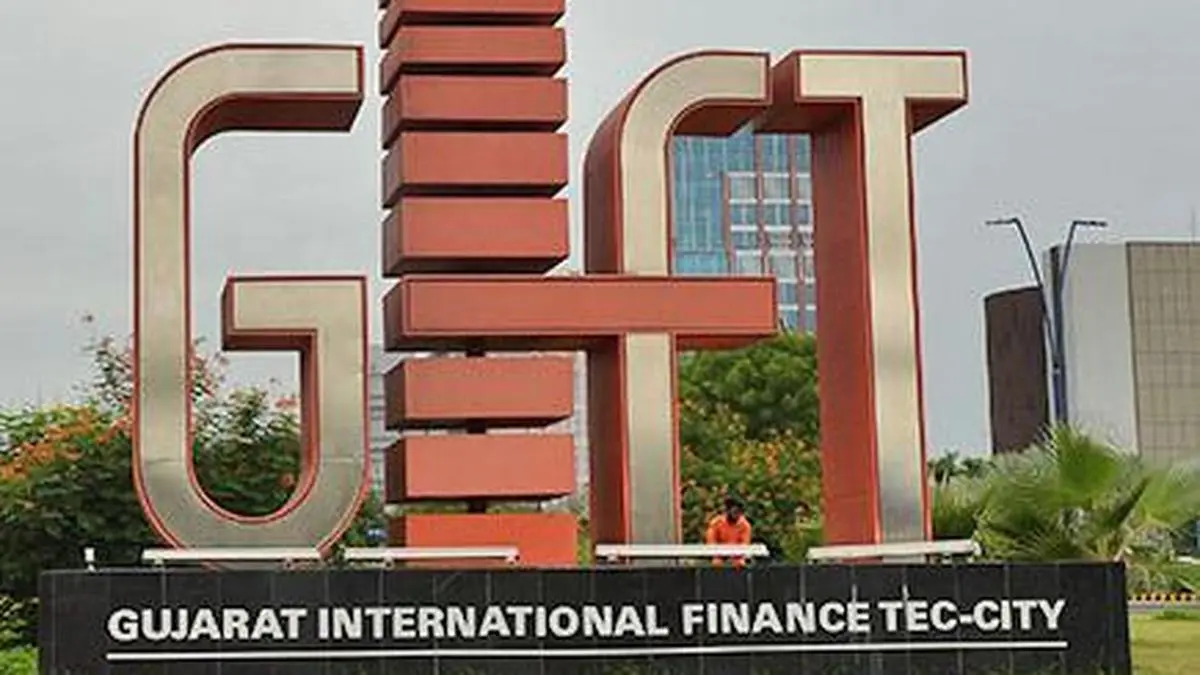
GIFT City Alcohol Policy Shift Drives 522% Revenue Surge

A policy shift in India's GIFT City has led to a 522% surge in hospitality revenue, signaling a major change in the hub's corporate environment and infrastructure strategy.
A quiet policy shift in India’s most tightly regulated alcohol market is beginning to show up in the numbers. At GIFT City, India’s flagship international financial services hub, the relaxation of long-standing liquor restrictions has triggered a 522% increase in wine and dine revenues for the 2026 fiscal year. This pivot marks a departure from the area's historical status as a dry zone, signaling a broader effort to align the city’s amenities with the lifestyle expectations of global financial firms and their expatriate workforces.
Infrastructure and Regulatory Realignment
The revenue jump stems from the introduction of a controlled permit system that allows for the consumption of alcohol within designated hospitality zones. By transitioning from a total prohibition model to a regulated framework, the city has successfully captured spending that previously leaked to neighboring regions. This change serves as a critical infrastructure upgrade for the financial hub, which competes directly with international centers like Singapore and Dubai for talent and capital. The ability to offer a standard corporate hospitality environment is now viewed as a prerequisite for attracting the high-frequency trading desks and multinational banks that anchor the district.
Sectoral Read-through for Hospitality and Commercial Real Estate
The surge in hospitality revenue provides a tangible metric for the success of GIFT City’s broader commercial development strategy. As the city matures, the focus has shifted from basic office space provision to the creation of a comprehensive ecosystem that includes high-end dining and social infrastructure. This shift is likely to influence future lease negotiations for commercial real estate developers who are now incentivized to integrate premium hospitality assets into their office complexes. The success of these permits suggests that the regulatory environment is becoming more flexible, which may encourage further investment in the city’s retail and entertainment corridors.
AlphaScala Data Context
While the broader automotive sector remains in a period of transition, companies like F continue to navigate shifting consumer preferences and regulatory environments. F currently holds an Alpha Score of 51/100, reflecting a Mixed outlook within the Consumer Discretionary sector. Similar to the policy-driven growth seen in GIFT City, the long-term viability of legacy manufacturers often hinges on their ability to adapt to localized regulatory shifts and infrastructure demands. For deeper insights into how such shifts impact broader market trends, readers can review our latest stock market analysis.
The Next Policy Marker
The next phase for GIFT City will be defined by the expansion of these permits to a wider range of commercial establishments. Investors should monitor the upcoming municipal filings regarding the issuance of new liquor licenses for retail and entertainment venues. If the current growth rate persists, the city may face pressure to further streamline its permit application process to keep pace with demand. The ultimate test will be whether this revenue growth translates into sustained occupancy gains for the city’s premium office towers, or if it remains a localized boost for the hospitality sector alone. The interplay between these regulatory changes and the city's ability to attract top-tier financial talent remains the primary indicator for long-term growth in the district.
AI-drafted from named sources and checked against AlphaScala publishing rules before release. Direct quotes must match source text, low-information tables are removed, and thinner or higher-risk stories can be held for manual review.