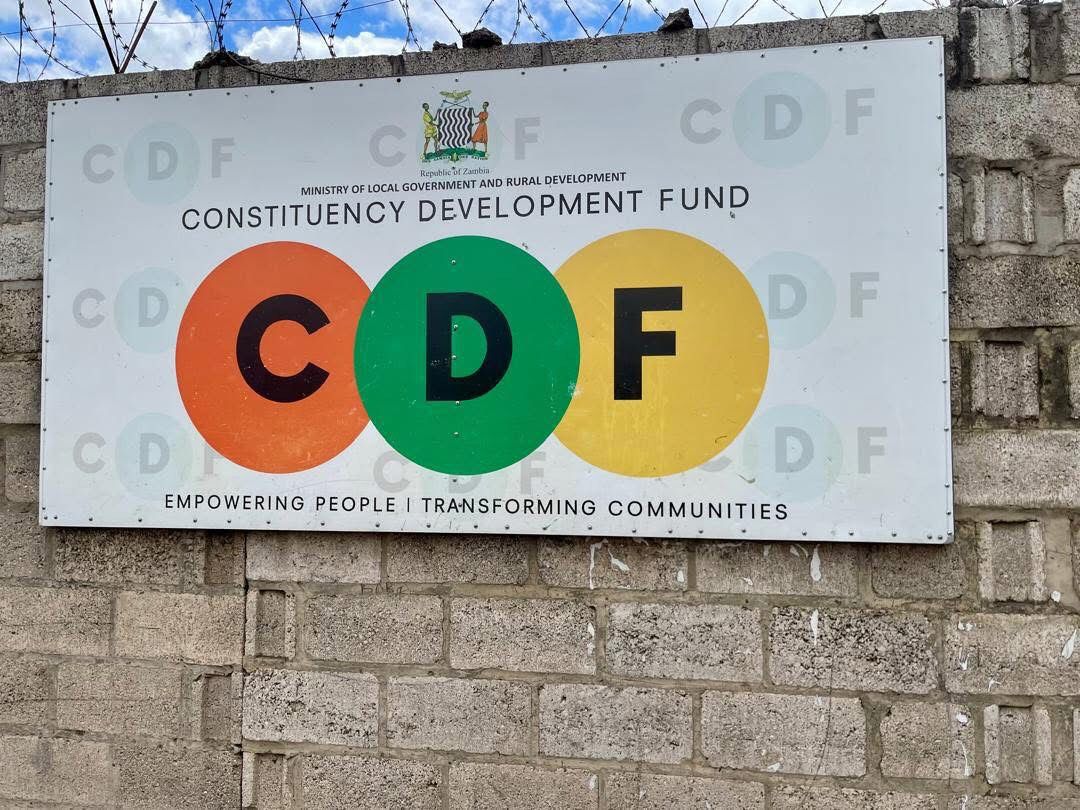
The Chipangali Constituency Development Fund (CDF) committee has issued a formal call for women and youth to increase their participation in government-backed empowerment programs. This initiative marks a strategic pivot in the allocation of local development resources, moving from broad infrastructure spending toward targeted economic inclusion for demographics that have historically faced barriers to capital access.
Structural Shifts in Local Resource Allocation
The committee’s directive emphasizes that the current CDF framework is designed to function as a primary liquidity source for small-scale enterprises and community-led projects. By prioritizing applications from women and youth, the committee aims to address the persistent gap in credit availability that often stifles growth in rural districts. This shift suggests a broader policy intent to decentralize economic activity and reduce reliance on traditional banking sectors that may be inaccessible to local entrepreneurs.
For investors monitoring emerging market dynamics, the efficacy of these programs serves as a proxy for local economic stability. When capital is successfully deployed through constituency-level channels, it often correlates with increased demand for basic goods and services in previously underserved regions. The success of this specific push in Chipangali will depend on the committee's ability to streamline the application process and ensure that funds are directed toward projects with clear, measurable output potential.
Economic Read-Throughs for Regional Development
The focus on empowerment opportunities reflects a wider trend in regional fiscal policy where government bodies are acting as direct facilitators of micro-economic growth. This approach contrasts with top-down industrial strategies, favoring instead a bottom-up model that relies on the proliferation of small-scale commercial entities. The following factors are currently shaping the implementation of these empowerment initiatives:
- The transition from grant-based funding to sustainable, revenue-generating project models.
- The integration of local administrative oversight to ensure funds are utilized for intended business expansion.
- The prioritization of sectors that demonstrate high local demand, such as agriculture and small-scale manufacturing.
These developments are critical for understanding how local liquidity is managed in the region. While the immediate impact is localized, the cumulative effect of such programs across multiple constituencies can alter the broader consumer landscape. As these initiatives gain momentum, the primary marker for success will be the transition of these funded projects from initial capital receipt to sustained operational status. Stakeholders should monitor subsequent reports on fund utilization rates and the specific business sectors that receive the highest concentration of capital, as these will provide the clearest signal regarding the long-term viability of the current CDF framework. The next phase of this policy will likely involve an audit of project outcomes, which will determine whether the committee maintains its current focus or adjusts its criteria for future funding cycles.