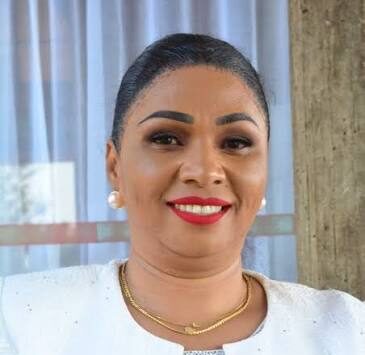
UPND candidate Yvonne Kabba vows unmatched service in Maramba constituency. The election outcome tests grassroots delivery and execution risk, key for investor sentiment in Zambia.
Yvonne Kabba, the UPND aspiring candidate for Maramba Constituency, has pledged to deliver unmatched public service and community development if elected. Born 46 years ago, Kabba positioned her candidacy as a break from past representation, promising direct engagement on infrastructure, healthcare, and education.
The pledge arrives as Zambia’s political landscape intensifies ahead of the next general election. Kabba’s focus on service delivery mirrors broader UPND campaign themes under President Hakainde Hichilema, who won the 2021 election on a platform of economic recovery and anti-corruption.
For voters in Maramba, the key question is whether Kabba’s promise translates into actionable plans. The constituency has faced persistent gaps in basic services, including water access and road maintenance. Kabba has not yet released a detailed policy blueprint. She emphasized that her commitment goes beyond election rhetoric.
A Kabba victory would give the UPND another seat in a region where the party already holds strong influence. That could accelerate funding flows from the central government to Maramba, given the party’s alignment with the executive branch. Execution risk remains high. Past development pledges across Zambian constituencies have often stalled due to budget constraints and bureaucratic delays.
Local delivery is the critical test for the UPND's national strategy. The party's 2021 victory was built on promises of change. Translating that into tangible improvements at the constituency level determines whether the party maintains credibility ahead of the next election. Maramba now serves as a microcosm of that challenge.
Kabba's track record will face scrutiny. She has not held elected office before. That lack of experience could work both ways: voters may see her as fresh energy or as untested. The absence of a concrete development plan leaves room for competitors to question her readiness.
For investors monitoring Zambia's political risk, constituency-level outcomes offer early signals. A UPND failure to deliver at the local level could weaken the party's national mandate, potentially slowing economic reforms that have supported investor sentiment since 2021.
The election outcome will determine whether Kabba’s promise of unmatched service becomes a measurable improvement or joins the list of unfulfilled campaign vows. Voters will scrutinize her campaign announcements in coming months. Any concrete development projects unveiled before polling day could shift momentum.
Kabba’s candidacy presents a clear choice: continuity with existing representation or a shift to a candidate staking her reputation on community-first governance. The result will serve as a bellwether for UPND grassroots strength and its ability to convert national popularity into local delivery. As with any political catalyst, execution risk often influences broader stock market analysis.
Prepared with AlphaScala research tooling and grounded in primary market data: live prices, fundamentals, SEC filings, hedge-fund holdings, and insider activity. Each story is checked against AlphaScala publishing rules before release. Educational coverage, not personalized advice.