Stocks● Neutral
BSP Pushes Financial Access After SWS Survey Shows 58% Account Ownership
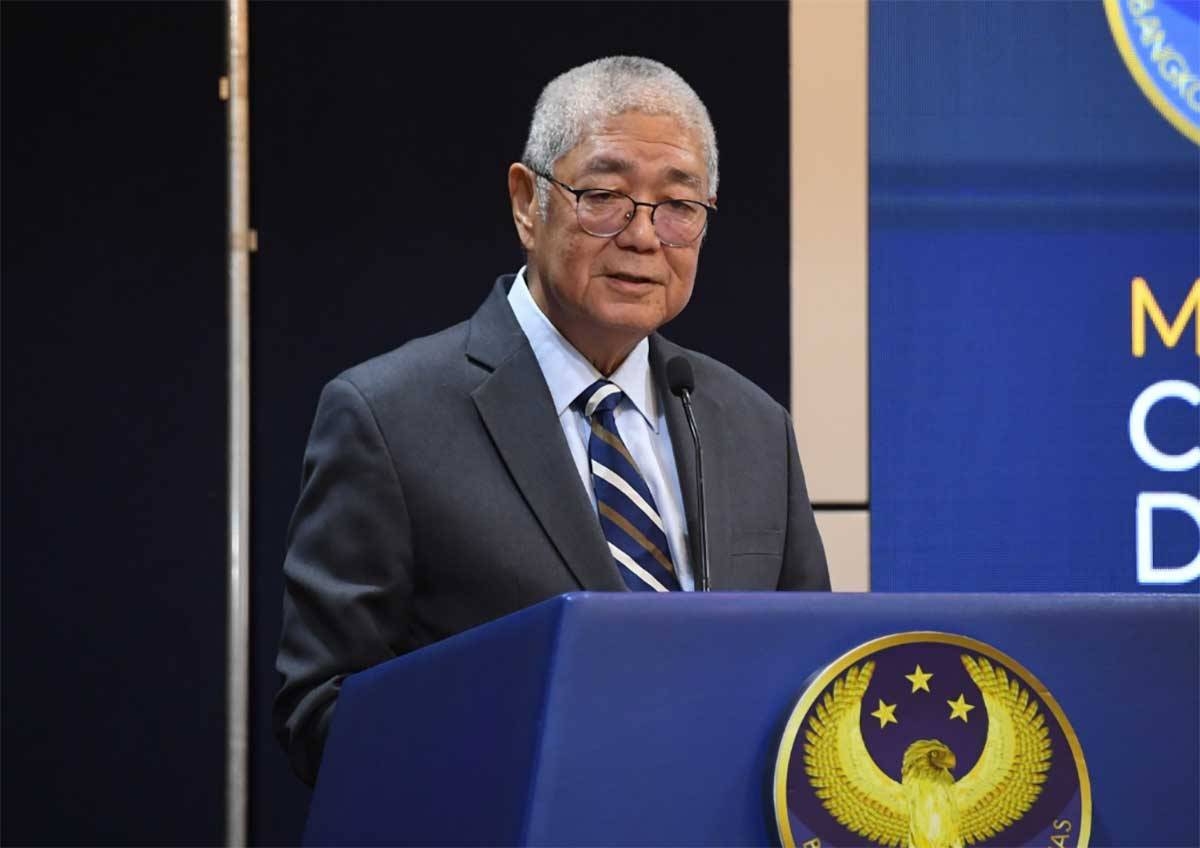
BSP Governor Remolona pledges broader financial access after SWS survey shows 58% adult account ownership. E-money accounts outpace bank accounts 2-to-1. The CCyB reform adds a stability buffer for the next downturn.
Continue with
Bangko Sentral ng Pilipinas (BSP) Governor Eli Remolona Jr. committed to widening financial service access after a Social Weather Stations (SWS) survey showed 58% of Filipino adults now own a financial account. The figure, recorded in the first quarter of 2025, marks a jump from the 51% reported in the BSP's own 2025 Consumer Finance and Inclusion Survey.
The central bank noted that the increase in account ownership was consistent across all geographic areas, income brackets, and education levels. About one in three unbanked respondents said another household member already holds an account, suggesting intra-family access points are expanding even where individual ownership has not yet followed.
The Gap Behind the Headline Number
While the 58% headline signals progress, the survey also exposed the structural barriers that keep 42% of adults outside the formal financial system. Among those without an account, the most common obstacles cited were lack of money, unemployment, and limited knowledge of how to open an account. These are not temporary frictions. They point to income constraints and a financial literacy gap that a simple account-opening drive will not solve.
The breakdown by account type reinforces the shift toward digital rails. 43% of adult respondents own an electronic money (e-money) account, while only 21% hold a traditional bank account. That gap matters for the institutions involved. Banks face a slower adoption curve relative to mobile-money providers, and the BSP's push for broader access may accelerate the shift away from brick-and-mortar banking models.