Stocks● Neutral
Heatwave kills 37 in Telangana, Andhra Pradesh; sectors at risk
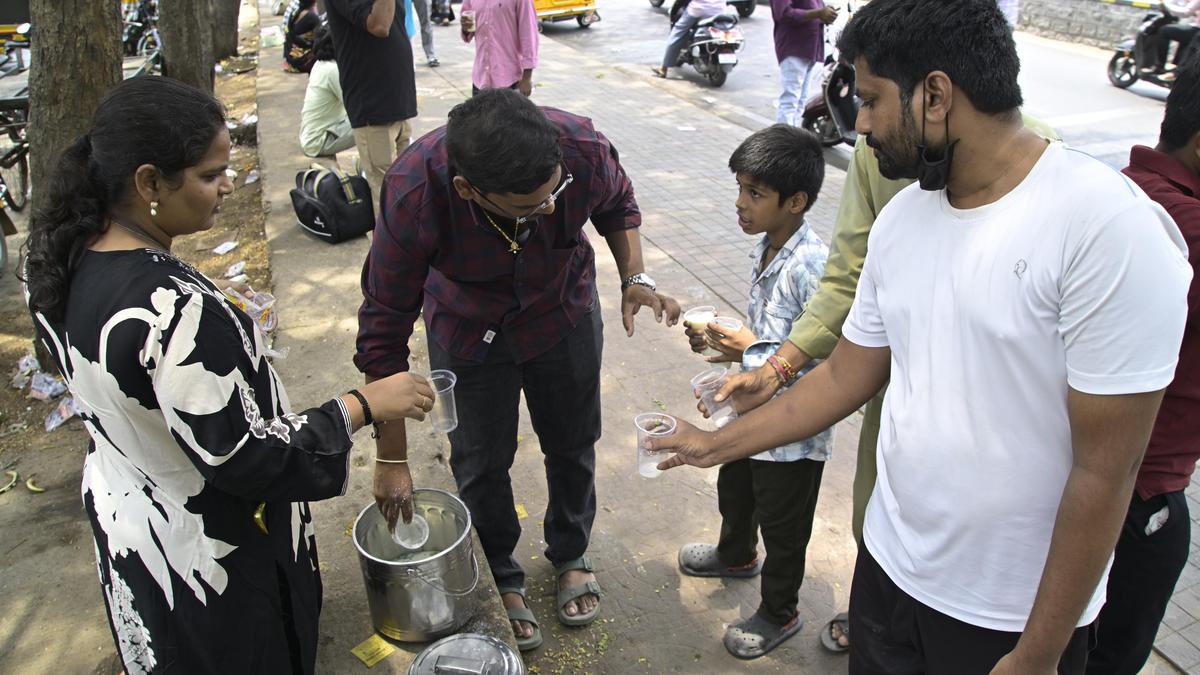
37 dead as Telangana and Andhra Pradesh face extreme heat; 46.3°C in Kothagudem. IMD forecasts severe conditions through May 26, raising risks for power, agriculture, and insurance sectors. Watchlist alert.
Continue with
A severe heatwave across Telangana and Andhra Pradesh has killed 37 people, with temperatures exceeding 45°C in 15 Telangana districts and 13 Andhra Pradesh districts. The India Meteorological Department (IMD) forecasts severe conditions through May 26, placing official machinery on high alert. For investors, the event introduces near-term risks to power distribution, agriculture, and insurance sectors in the region.
Heatwave Toll: 37 Dead, Kothagudem Hits 46.3°C
Official data shows Kothagudem in Telangana recorded the highest temperature at 46.3°C. In Andhra Pradesh, Kanumolu village in Krishna district hit 45.8°C. On Friday alone, heatstroke claimed 21 lives, including 10 in Vijayawada. Telangana reported 16 deaths across seven districts. Telangana Revenue, Housing and Information & Public Relations Minister Ponguleti Srinivasa Reddy held an emergency review meeting with senior officials. District collectors have been directed to remain on high alert and ensure immediate relief measures. The government advised special precautions for senior citizens, pregnant women, children, and people with existing health conditions, urging citizens to avoid venturing outdoors between 11 am and 4 pm unless absolutely necessary. The Minister also directed officials to make arrangements for providing water to birds and animals across villages and towns.
IMD Forecast Through May 26
The IMD has warned of severe heatwave conditions until May 26 in several districts, including:
- Hyderabad
- Rangareddy
- Karimnagar
- Khammam
- Nalgonda
- Suryapet
- Mulugu
- Mahabubnagar
This extended heat period raises the probability of additional casualties and economic disruption. The forecast window covers the pre-monsoon lull, when power demand spikes and crops face peak stress.
Power Demand Surge and Grid Stress
Heatwaves drive a sharp increase in electricity demand for cooling. Telangana and Andhra Pradesh rely on a mix of thermal, hydro, and renewable generation. When demand surges, state distribution companies (discoms) often purchase short-term power at elevated prices, compressing margins. The risk is most acute for discoms with limited reserve capacity or high dependence on coal, which faces logistical bottlenecks during extreme heat.
Mechanism: Short-Term Power Purchases
Discoms typically buy power through power exchanges or bilateral contracts. Spot prices on the Indian Energy Exchange can spike 20–40% during heatwaves. If the heatwave persists through May 26, discoms in the affected districts may see higher procurement costs. This could pressure the financials of state-owned power generation companies and transmission utilities. Stock market analysis suggests that while heatwave impacts are typically localized and short-lived, the current severity warrants attention to daily peak demand data and exchange prices.
Risk to watch: Power discoms in Telangana and Andhra Pradesh face margin pressure if the heatwave forces costly short-term power purchases. Investors should monitor daily peak demand data and exchange prices.