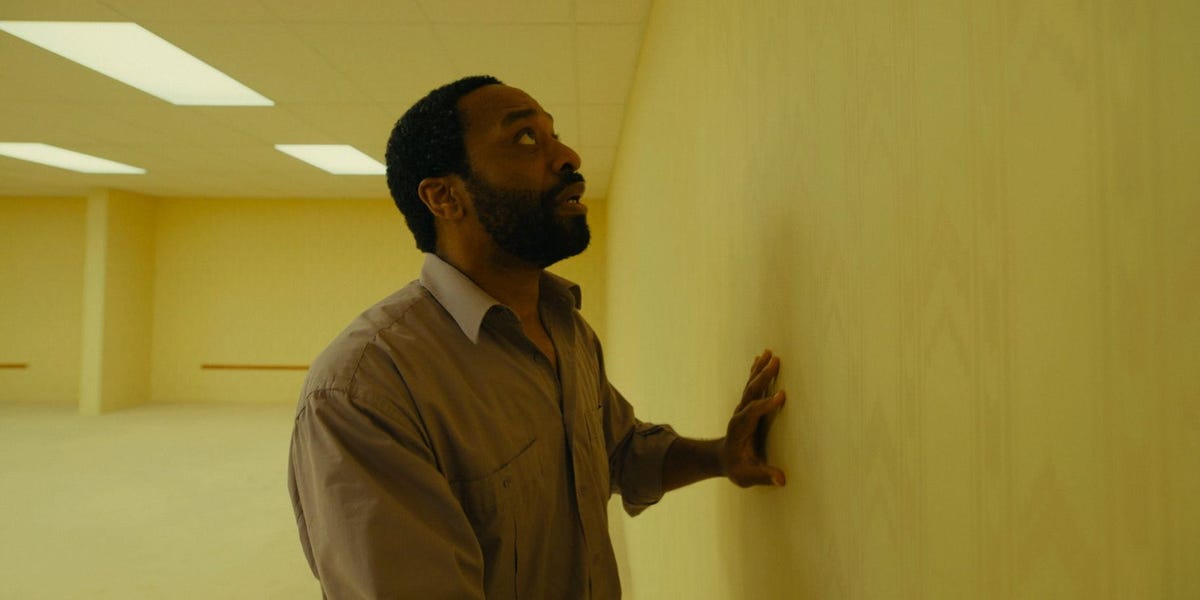
The theatrical release of Backrooms, a film directed by a creator who built an audience on YouTube, is the latest test of a strategy that major studios are now actively pursuing. The core event is simple: a YouTube-native filmmaker is opening a feature in theaters, and early box office data suggests the audience is following. This is not an isolated experiment. Hollywood is systematically recruiting YouTubers to direct theatrical releases, betting that their digital followings and storytelling instincts can compete with traditional marketing.
The Catalyst: Backrooms and the YouTube-to-Theater Pipeline
The catalyst is the Backrooms release. The film draws directly from the same horror-adjacent niche that made the director's YouTube channel successful. What matters for the industry is not the movie itself but the distribution model it represents. Studios are now treating a YouTuber's subscriber base as a pre-built marketing channel, one that requires zero advertising spend to activate. The director's existing audience already knows the tone, the aesthetic, and the brand. That reduces the studio's audience acquisition cost for opening weekend. The simple read is that Hollywood is finally acknowledging YouTube's dominance. The better market read involves the economics of demographic risk. Traditional studio marketing spends heavily to reach the 18-34 age group, a cohort that increasingly gets its entertainment from YouTube and TikTok. By hiring a YouTuber, a studio effectively purchases a guaranteed audience segment that costs nothing extra to reach.
Why Hiring YouTubers Changes Studio Economics
This shift alters how studios allocate production budgets and manage risk. A YouTube-native director typically costs less than a traditional feature director. The project's marketing spend is lower because the director's channel functions as a distribution platform. If the movie succeeds, the studio captures the full box office upside with a lower upfront investment. If it fails, the downside is contained. This model directly affects Warner Bros., Disney, Netflix, and every other studio competing for the same shrinking theatrical audience. It also reshapes talent pipelines. Traditional film school graduates now face competition from creators who have already demonstrated the ability to hold attention for 10 minutes or longer. The valuation of a YouTuber's channel may soon include a premium tied to theatrical revenue potential. Talent agencies are already adjusting their rosters to include digital-native directors, a structural change that will influence hiring patterns for the next several years.
The Decision Point This Story Creates
The key question for investors tracking entertainment stocks is whether this model scales. One Backrooms hit does not prove a sustainable strategy. The next decision point comes with the following three to five releases from YouTube-native directors. If those films consistently deliver above-budget returns, the shift becomes structural. Studios will allocate more production capital to digital-native talent, and traditional director fees will face downward pressure. If those future releases underperform, studios will revert to conventional hiring. The concrete numbers to watch are opening weekend box office and the film's second-weekend hold. A steep drop suggests the audience is curiosity-driven rather than loyal. A strong hold confirms the fanbase converts to paying customers. For now, the signal is positive enough to watch closely but not yet strong enough to overweight exposure to any single studio stock on this thesis alone. The next three quarters of releases will provide the evidence that either validates or undercuts the YouTube-to-theater pipeline.