Stocks● Neutral
World Cities Summit 2026 Focuses on Urban Sustainability Goals
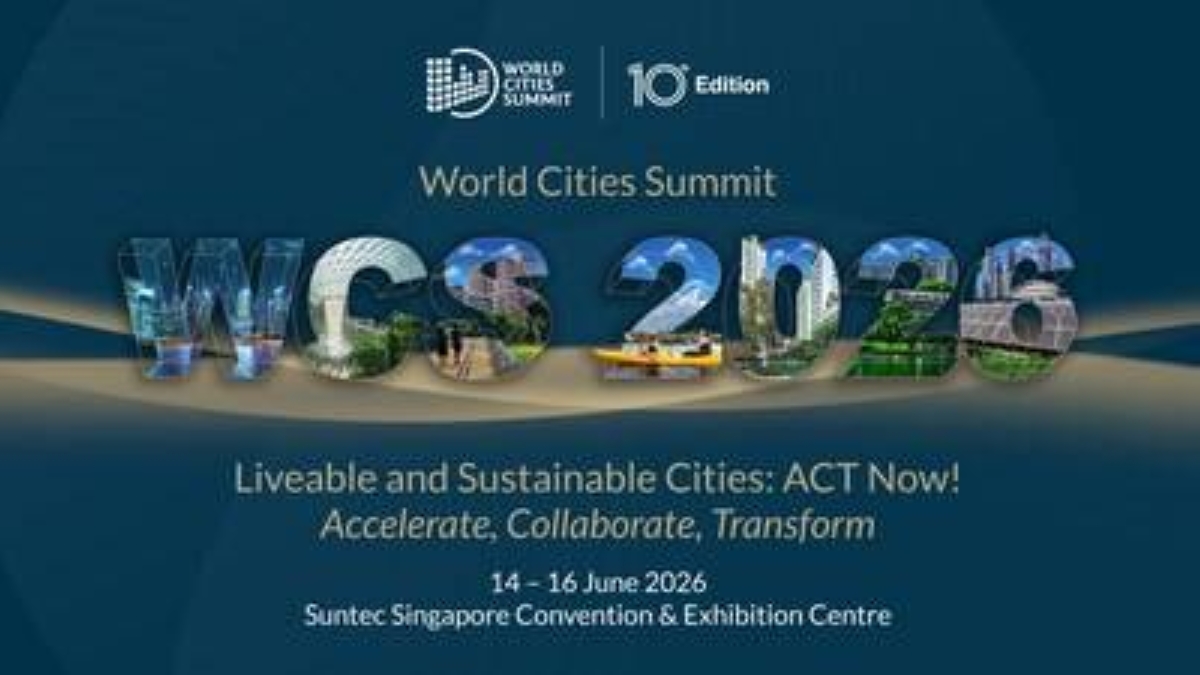
The 10th World Cities Summit in Singapore shifts focus to actionable urban infrastructure, signaling new procurement cycles for smart city and energy firms.
Continue with
The World Cities Summit, scheduled for June 14 to 16, 2026, at the Suntec Singapore Convention and Exhibition Centre, marks its 10th edition with a sharpened focus on urban resilience and sustainability. This year’s theme, Liveable and Sustainable Cities: ACT Now, signals a shift from broad policy discussions toward the implementation of actionable urban infrastructure and climate adaptation strategies. For market participants, the summit serves as a primary venue for identifying the next cycle of capital expenditure in smart city technology, water management, and sustainable transport.
Infrastructure Capital and Urban Policy Shifts
The summit acts as a clearinghouse for public-private partnerships that define the fiscal trajectory of major urban projects. By gathering global policymakers alongside private sector stakeholders, the event creates a mechanism for vetting the viability of large-scale infrastructure investments. Investors should look past the headline sustainability goals to identify which specific municipal frameworks are gaining traction. These frameworks often dictate the procurement pipelines for engineering, construction, and technology firms over the subsequent 18 to 24 months.
When cities align on standardized sustainability metrics, they lower the barrier for institutional capital to enter the municipal bond and project finance markets. The 10th edition of this summit is particularly relevant because it coincides with a period where many regional governments are re-evaluating their long-term urban planning budgets. The shift toward actionable outcomes suggests that funding will likely favor projects with immediate, measurable impacts on energy efficiency and waste reduction rather than speculative long-term research initiatives.