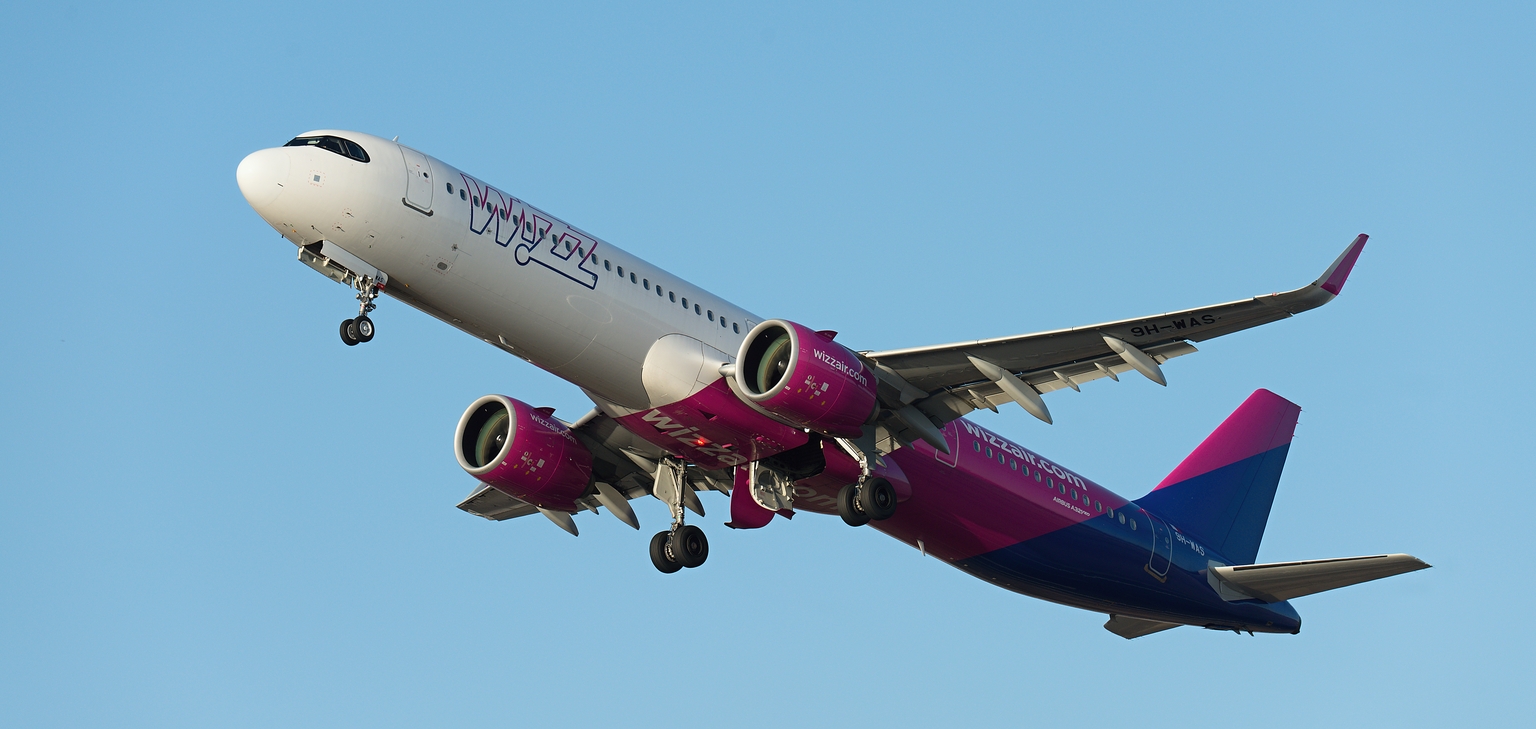
Wizz Air Holdings reported a 22% year-on-year increase in April passenger numbers, reinforcing the demand recovery narrative that underpins the buy thesis for the OTC-traded shares (WZZAF). The airline also disclosed that 70% of its fuel requirements are hedged, insulating earnings from jet fuel price swings. With the stock trading below 4 times earnings, the April traffic print removes a near-term demand uncertainty and sharpens the focus on summer capacity execution.
April Traffic Jumps 22%: Demand Recovery in Focus
The 22% passenger growth in April marks a continuation of the post-pandemic rebound in Central and Eastern Europe, where Wizz Air operates its ultra-low-cost model. The figure suggests that booking momentum held through the shoulder season, a period that often tests airline demand assumptions. For a carrier that has aggressively expanded capacity, the traffic number validates the strategy of adding seats into recovering markets.
The simple read is that more passengers mean higher revenue. The better market read is that the growth rate, sustained into the second quarter, reduces the risk of a demand air pocket that could force last-minute fare discounting. Wizz Air’s point-to-point network, focused on secondary airports, benefits from the same travel reopening trends that have lifted European low-cost carriers. The April data provides a concrete data point that the demand thesis is intact.
70% Fuel Hedge Shields Earnings from Oil Swings
Wizz Air’s disclosure that 70% of its fuel needs are hedged is a critical piece of the earnings stability puzzle. Jet fuel is one of the largest variable costs for any airline, and unhedged carriers can see margins evaporate when crude oil prices spike. By locking in a large portion of its fuel at predetermined prices, Wizz Air has effectively capped a major cost input, making its earnings less sensitive to the kind of commodities volatility that has roiled the sector.
The hedge ratio leaves 30% of fuel exposure unhedged, which provides some upside if oil prices decline. The key takeaway for traders is that the 70% hedge transforms the earnings stream from a bet on oil prices into a more predictable function of passenger volumes and ancillary revenue. This reduces the risk that a sudden crude spike derails the low P/E valuation.
Sub-4x P/E: Valuation Floor or Value Trap?
The stock trades at less than 4 times earnings, a multiple that looks extreme even for the airline industry. The OTC listing under ticker WZZAF may contribute to the discount. Limited liquidity and lower institutional coverage can suppress valuation. The low multiple could also reflect concerns about summer capacity additions, competitive pressure from Ryanair and easyJet, or the residual 30% unhedged fuel exposure.
The April traffic data and the hedge ratio address two of those concerns directly. Strong passenger growth suggests that demand is absorbing the added capacity, while the hedge limits the earnings impact of fuel cost spikes. The sub-4x multiple, if earnings hold, offers a wide margin of safety. The risk is that the market is pricing in a summer demand disappointment that has not yet materialized.
Next Decision Point: Summer Bookings and Capacity
The April traffic print makes the summer season the next catalyst. Wizz Air will need to demonstrate that the demand momentum carries into the peak travel months without requiring aggressive fare cuts. Forward booking trends and any updates on capacity guidance will be the key data points. The fuel hedge provides cost visibility, so the earnings outcome will largely hinge on revenue per available seat kilometer.
For traders watching WZZAF, the April numbers confirm the demand side of the thesis. The low multiple and the hedge create a setup where even modest summer traffic growth could support the stock. The next concrete marker is the release of May traffic data and any commentary on summer booking curves.