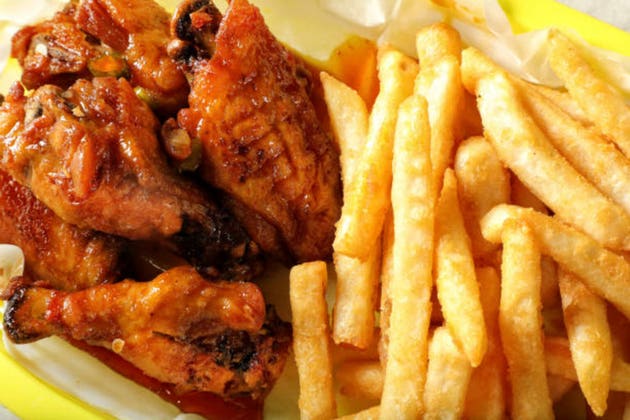
Wingstop lowered its full-year same-store sales outlook, citing shifting consumer behavior and persistent macroeconomic uncertainty. While the company reported a first-quarter earnings beat, the downward revision to its forward-looking growth metrics suggests that even high-growth fast-casual models are not immune to tightening household budgets. The decision to adjust guidance reflects a defensive posture as management navigates a landscape where discretionary spending is increasingly sensitive to price and frequency.
Operational Pressures and Consumer Sentiment
The reduction in the same-store sales forecast highlights a disconnect between historical performance and current demand trends. Wingstop has long relied on consistent transaction volume to drive its expansion, but the recent shift suggests that the pace of customer visits is decelerating. By pointing to high levels of uncertainty, the company is signaling that the predictability of its sales funnel has diminished. This pivot forces a re-evaluation of the brand's ability to maintain its premium positioning while consumers seek more value-oriented alternatives.
Investors are now forced to weigh the company's long-term unit growth strategy against the immediate reality of softening demand. If the current trend of lower same-store sales persists, the company may face challenges in justifying its current valuation, which has historically been supported by expectations of aggressive, uninterrupted growth. The focus now shifts to whether the brand can leverage its marketing and menu innovation to stabilize traffic without resorting to margin-dilutive discounting.
Sector Read-through and Valuation Context
The broader consumer cyclical sector is currently navigating a period of intense scrutiny regarding pricing power. As companies across the industry report similar pressures, the market is becoming less forgiving of guidance misses or downward revisions. The situation at Wingstop serves as a bellwether for how quickly sentiment can shift when a growth-oriented stock fails to meet the high expectations baked into its price.
AlphaScala data currently assigns WING an Alpha Score of 49/100, reflecting a Mixed outlook for the stock. This score captures the tension between the company's established growth trajectory and the emerging headwinds in the consumer cyclical space. For more on how these shifts impact broader trends, see our latest market analysis.
The Path Toward Stabilization
The next concrete marker for the company will be the subsequent quarterly filing, which will provide the first clear look at whether the guidance cut was a proactive adjustment or a sign of deeper structural weakness. Investors should monitor for any changes in promotional activity or shifts in the average ticket size, as these will indicate how management is attempting to retain its customer base. If the company continues to struggle with transaction volume, the focus will likely move toward the sustainability of its capital expenditure plans and the pace of new store openings. The market will look for evidence that the brand can maintain its competitive edge in a tightening environment before re-rating the stock higher.