Walmart's Token Cap on Code Puppy
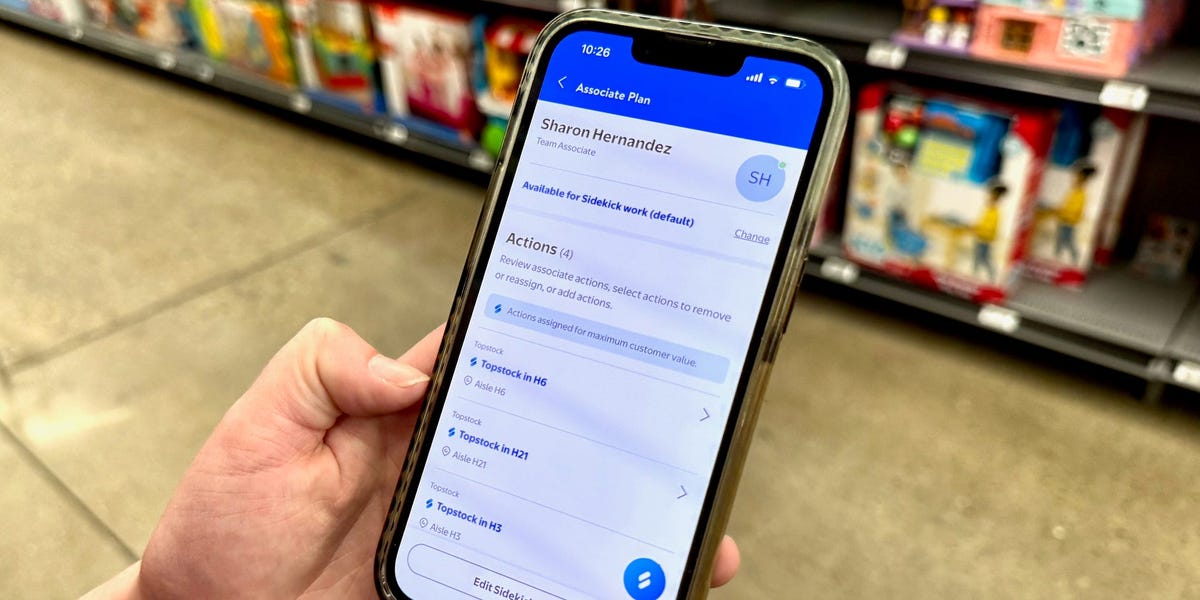
Walmart placed a token limit on its internal vibe coding tool, Code Puppy, after the toy's popularity generated too much duplicative output. The retailer's tech chief made the decision public, framing it as a cost-conscious move rather than a restriction on creativity. The cap directly reduces compute spend per user session, a lever other large enterprises are likely to copy as generative AI adoption scales inside their firewalls.
The naive reading is that Walmart is simply curbing wasteful usage of a free internal tool. The better market read is that enterprise AI has reached the point where operational cost discipline now overrides the initial land-grab phase. Token-based pricing – already standard from API providers like OpenAI and Anthropic – is becoming an internal budgeting category. Walmart's move signals that the cost per query, not just the quality per query, will shape the next wave of corporate AI deployments.
The Enterprise AI Cost Squeeze
The direct sector read-through is for cloud infrastructure providers and AI coding tool vendors. If a retailer with Walmart's leverage and internal engineering resources feels the need to cap tokens, smaller companies with less negotiating power face an even tighter margin on AI experimentation. AWS, Azure, and Google Cloud all sell compute blocks that underpin hosted models. A widespread shift toward token budgets would compress the volume growth projections baked into their AI infrastructure guidance.
The indirect read-through applies to the AI copilot segment. Tools like GitHub Copilot, Cursor, and Replit have enjoyed rapid adoption because they feel free to the end user. The moment an employer foots the bill per seat or per token, pricing models shift. Walmart's decision suggests that internal chargebacks or usage caps will become a standard feature in enterprise contracts, flattening the adoption curve that vendors have used to justify high valuations.
Confirmed Peers and Next Decision Points
The source mentions no peers by name. The read-through is therefore structural, not forensic. Any company running generative AI at scale – particularly in retail, financial services, or logistics – faces the same tension. The token limit is a control mechanism. The question for the sector is how quickly vendors adapt product packaging to preempt customer-imposed caps.
The next concrete decision point is Walmart's own earnings call. If the token cap is cited as a cost savings line item, the signal becomes actionable for investors in AI infrastructure and software. Until then, the event is a warning flag that compute cost discipline has entered the corporate AI playbook. Companies that cannot benchmark and cap their own token usage risk margin erosion that their competitors will exploit.