Stocks● Neutral
Why Vikram Lal's Exit Strategy Matters for Indian Auto
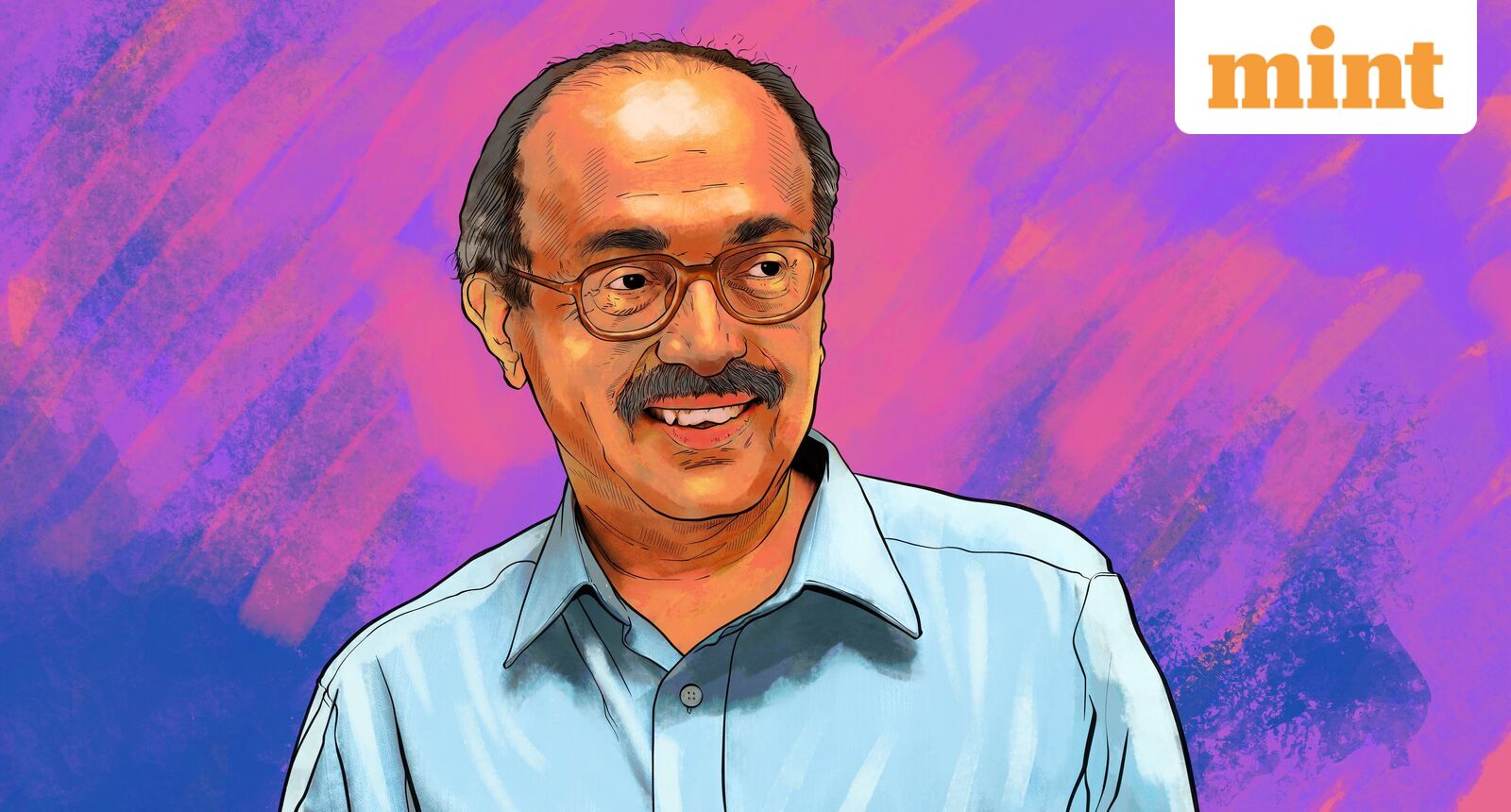
Vikram Lal stepped away from Eicher Motors in the late 1990s, enabling Royal Enfield's revival. The succession model offers a rare benchmark for family-run auto companies.
Continue with
The 1990s Exit That Reshaped Eicher Motors
Vikram Lal, the founder of Eicher Motors, made his most consequential decision not about a product or acquisition but about his own role. In the late 1990s, while still in his mid-fifties and at the height of his career, he stepped away from active management of the company he had built from a tractor business into a diversified engineering group. In Indian corporate history, that is an outlier.
Most Indian family business patriarchs hold control into their eighties. Professional managers function as aides rather than successors. Lal reversed that formula. He handed over a growing business to professional managers and eventually to his son, Siddhartha Lal, and exited quietly. The decision created the conditions for one of the most remarkable brand revivals in global automotive history: the transformation of Royal Enfield from a cash-strapped subsidiary into a global motorcycle powerhouse.
For investors assessing Indian auto companies, Lal's exit is a case study in how founder succession can unlock value when done deliberately.
The German Mittelstand Blueprint
Born in 1942, Lal studied mechanical engineering at the Technical University of Darmstadt in West Germany during the 1960s. That period immersed him in the Mittelstand model – highly specialized, family-owned companies focused on resilience, quality, and low debt. When he returned to India in 1966, he carried that philosophy into his own ventures.
When he incorporated Eicher Motors in 1982, Lal avoided the heavy-duty truck segment dominated by Tata Motors. He partnered with Mitsubishi to develop fuel-efficient light commercial vehicles. The Eicher Canter became a workhorse. By the mid-1990s, Eicher held nearly 20% of India's light-truck market alongside a sizeable tractor business.
The philosophy: find a micro-niche, stay debt-conscious, build quietly. That same approach would guide his most ambitious bet.
The Enfield Acquisition
In 1990, Lal acquired a minority stake in Enfield India, the struggling Indian arm of the iconic British motorcycle brand. The company was bleeding money. Over three years, he built a controlling stake. The move seemed contrarian at a time when Royal Enfield's brand equity was fading and Japanese motorcycles dominated the Indian market.
Lal's conviction rested on the brand's latent appeal and his willingness to take a long view. His most radical decision would come after a personal crisis.
The Bypass Surgery That Changed Everything
At 43, Lal underwent major heart bypass surgery. The event forced a reassessment of life and work. He emerged with an unusually clear conviction: a founder's ego is often the biggest threat to a company's longevity.
That insight drove the exit. While still in his mid-fifties and at the peak of his career, Lal stepped away from active management of Eicher. He handed the reins to professional managers and later to his son.