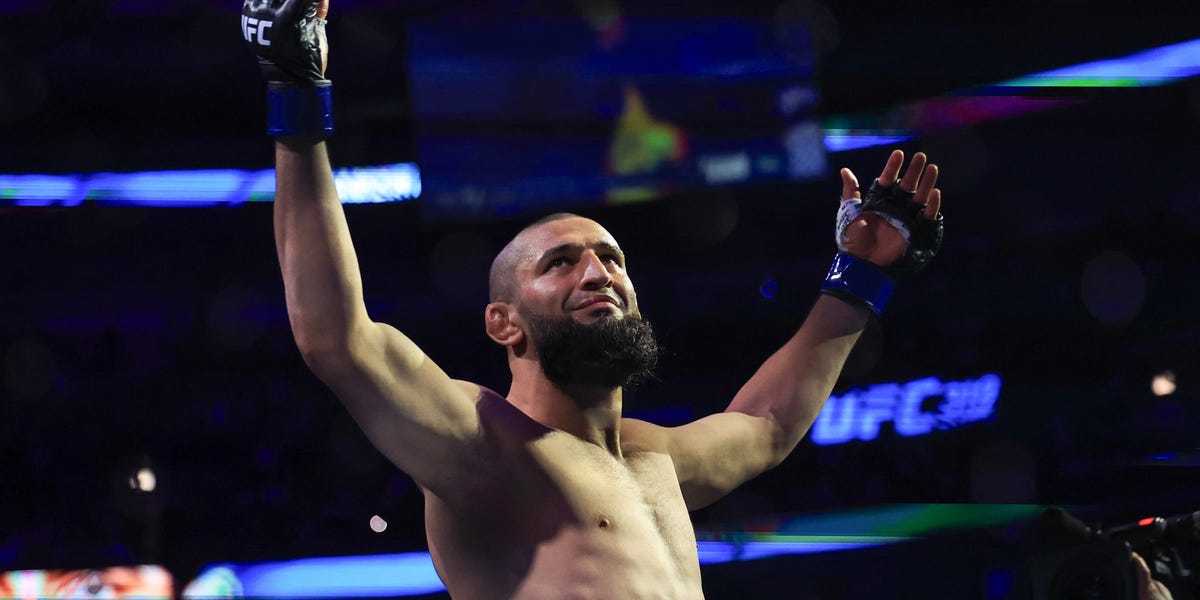
UFC 328 elevates the middleweight title picture with Khamzat Chimaev versus Sean Strickland headlining a two-title-fight card. For TKO Group Holdings, the parent company of UFC, a card of this caliber is not just a weekend spectacle. It is a mid-quarter demand check that lands inside the trading window before the next earnings cycle.
The simple market read is that a high-profile card drives attention and likely bumps pay-per-view buys, giving the stock a short-term sentiment tailwind. The better read focuses on the sequencing. Institutional accounts that own TKO are pricing a post-merger synergy story that still needs proof points. Each major event produces real-time proxies for subscriber stickiness, international buy-rate expansion, and sponsorship yield. UFC 328 offers the most concentrated batch of those signals since the April card that featured Alex Pereira.
Chimaev vs. Strickland and the PPV Proxy Trade
The middleweight title fight puts a rising draw against a durable former champion. That pairing leans into international viewership, particularly in Europe and the Middle East, where Chimaev carries a large following. Search-trend spikes, social engagement, and pre-event media impressions work as rough but fast-moving inputs that traders treat as leading indicators for eventual PPV disclosure.
Because TKO reports event-level buys only selectively, the stock often reprices when a card materially exceeds or misses the whisper number derived from those proxies. The setup here is not about picking a buy-rate figure. It is about positioning around the gap between what the market implies and what the actual buy number might show when the next quarterly release lands. That gap widens when a card carries title stakes and a clear geographic pull factor, as UFC 328 does.
TKO’s Revenue Backbone and the Rights Spread
UFC’s media-rights agreements remain the core driver of TKO’s free cash flow, and every major card tightens the negotiating lens. The current deal structure runs through 2025, so the calendar is already ticking for the next domestic renewal. Event-level demand signals influence the premium that potential bidders assign to exclusivity windows, broadcast windows, and streaming carve-outs.
At the same time, WWE’s integration into TKO’s combined platform makes UFC event volume a relative-value signal. When UFC delivers a card that lifts overall combat-sports engagement, the revenue synergy between the two properties looks more concrete. Conversely, a card that fails to generate buzz feeds the bear case that the combined entity is merely an additive, not multiplicative, story. UFC 328’s consequence is measured partly against that backdrop.
Liquidity adds a practical layer. TKO has limited float relative to its market cap, so outsized moves can follow even modest re-ratings of the revenue pathway. An event-driven shift in quarterly expectations, before official numbers, can compress the risk premium that has kept the stock in a relatively tight range since the merger closed.
The Next Decision Points
The immediate read-through from UFC 328 will be a cloud of third-party buy-rate estimates that typically surface in the week after the event. The more actionable follow-up is the pre-earnings quiet-period framing and whether management chooses to comment on event-level metrics during the conference call. A rights-cycle update, even in passing, would be the catalyst that moves the debate from event-level proxies to the structural revenue ladder that TKO is building.
For traders, the card does not provide a simple long/short trigger. It re-opens a timeline of milestones: the next quarterly filing, the domestic media extension talks, and the proof that international demand is becoming a sustainable, reportable line item. The fight ends on Saturday night. The market’s re-valuation of that timeline starts on Monday morning.