Brittany Campos returned from afternoon tea at The Berkeley in London with more than a pleasant memory. She came home with a business plan.
The cost of her 2019 bridal shower tea had already made her wonder whether the money would be better spent on a venture of her own. London confirmed the hunch. “Before I spend that kind of money, I’d rather invest in my own business,” Campos recalled.
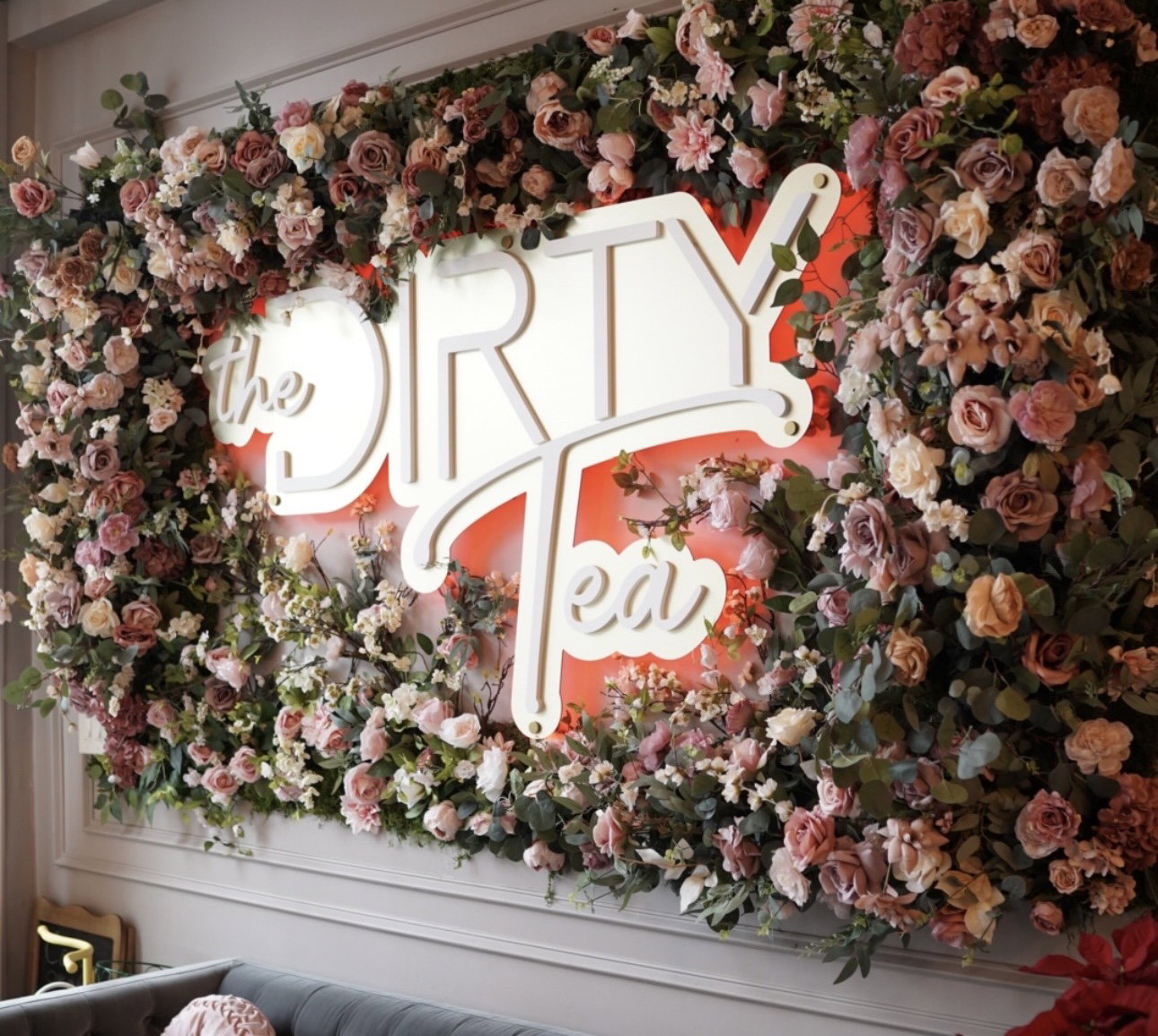
The result is The Dirty Tea, a Black woman-owned tea house in Atlanta’s Virginia-Highland neighborhood that opened in 2023. Inside, tiered trays and ornate china meet Southern banana pudding, tequila-spiked tea cocktails and the kind of warm service both women consider nonnegotiable.
Neither Rita nor Brittany had owned a restaurant before. Rita brought years of experience in luxury retail and sales for Fortune 500 companies. Brittany had worked in luxury retail and hospitality. Both understood high-end customer service. They had to learn the mechanics of building a business in real time.
The pair spent roughly two years transforming the space. They gutted it, navigated architectural plans and city approvals, hired professionals and absorbed costs they had never anticipated. They did it without taking out a loan.
“We did not borrow one dollar with this space,” Brittany said.
The decision gave them complete ownership of their vision. It also placed their personal capital at risk. Looking back, Rita said they would approach financing differently for their next location.
Without a formal mentor, they assembled expertise around themselves. Their servers knew service. Their financial adviser helped them understand the numbers. Their kitchen staff brought culinary experience. Mother and daughter learned by doing, and sometimes by making expensive mistakes.
“Instead of making millions of dollars for other companies, let’s try to do something on our own,” Rita said of her decision to join Brittany.
The Dirty Tea is designed to reward a closer look. Tables are set with different china patterns rather than a single matching collection. One setting might feature gold details while another has butterflies or florals. Guests often stop to photograph tables other than their own.
“If I came in to have tea and I had a great experience, and I’m looking at the table next to me, I’m like, ‘Oh, I know every time I come, I’m going to get a different set of china,’” Brittany said.
The collection has grown large enough to require a storage unit. Every delicate piece is washed by hand.
The menu is similarly attentive to tradition without being constrained by it. There are familiar tea sandwiches, but the cucumber sandwich comes with a house-made spread. Rita prepares family recipes such as Southern banana pudding and cheesecake. The team tests seasonal dishes with private-party guests before deciding whether to add them.
“We’re really big on the food tasting good,” Rita said. “If it’s not good, we’re not going to serve it.”
That standard pushes back against the notion that afternoon tea is more about presentation than flavor. During a previous nighttime concept, Dirty Tea After Dark, they served meatballs, deviled eggs and truffle fries. Brittany hopes to revive a nightlife experience with cocktails and an even stronger Atlanta influence.
“I’m almost ready to put a chicken wing on a tower,” she joked. “That’s what makes us different. We’re modern-day afternoon tea.”
Cocktails offer another playful entry point. The business name eventually revealed an unexpected double meaning. A “dirty” chai is chai tea with espresso. The tea house built on that connection with a signature Dirty Chai espresso martini made with tequila. Other customer favorites are a peach Paloma and a deceptively strong lemon drop mojito.
The name itself came from a mother-daughter disagreement during the stressful build-out. After Brittany dismissed one of her mother’s ideas and walked away, Rita called her back.
“I said, ‘You know what? We should name it The Dirty Tea.’ She said, ‘Why?’ I said, ‘Because of your dirty mouth.’”
Brittany called back moments later. She liked it.
Their differences have become part of the company’s operating system. Brittany describes herself as structured and “a little more militant.” Rita is the natural host, quick to prioritize the guest experience, even when that means giving something away.
“I always joke with her and tell her that I run a business and she runs a charity,” Brittany said.
Rita credits her daughter with teaching her discipline and focus. Brittany is learning from her mother when to relax the rules and read the room. One keeps an eye on operations. The other makes sure a tea sandwich never becomes more important than a relationship with a customer.
The same philosophy protects their relationship away from the dining room. Brittany briefly moved in with Rita while they were preparing to open, but eventually realized that living and working together erased too many boundaries.
“I love you, but I cannot work with you and live with you,” she told her mother.
Rita, who said building the business with her daughter has been her most fulfilling work, refuses to let money or disagreements divide them.
“My love for her supersedes all of that,” she said. “We made a point not to be a statistic where you can’t work with family.”
That bond became even more important when both women experienced the end of long-term relationships around the same time in 2024. They kept the tea house running while holding each other up through heartbreak. For Rita, the company is now inseparable from the legacy she wants to leave her daughter.
Social media has been crucial to The Dirty Tea’s visibility. Brittany manages the accounts and says influencers began reaching out before she could execute the paid strategy other restaurateurs had recommended. Some guests received complimentary experiences. Others booked and paid on their own.
But an Instagram-ready room only helps if the experience lives up to the post. The owners say they hold staff accountable for service, respond to online reviews and invite guests to share criticism directly. Early feedback led to changes, including additions to the table and adjustments to the menu.
“Everything negative is not bad,” Brittany said.
The same responsiveness shapes pricing. The weekday Mini Tea was priced at $45 at the time of the interview. Weekend packages ranged from $85 to about $110, depending on the experience. Rita and Brittany said they watch the economy and booking patterns, adjusting select prices while protecting the quality of their ingredients and service.
Their next ambition is a second location, with Nashville at the top of their list. The city’s growing population and bachelorette tourism make it a natural fit. This time they would enter the process knowing the true costs of architectural plans, permitting, construction and staffing.
If investment arrived tomorrow, Brittany said, they would “immediately lock in a second location.”
Rita hopes other Black women who enter the space see not only the polished tables but also the persistence behind them.
“It can be done,” she said. “You just have to start.”
Brittany agreed, adding that starting also requires patience, planning, capital and sacrifice.
“Five years have passed already,” she said. “Imagine if we wouldn’t have started.”
This story is part of a series profiling Black-owned food and beverage businesses. Read about The Steam Bar, Judy Koloko’s Black British-owned brand making a splash across the pond.