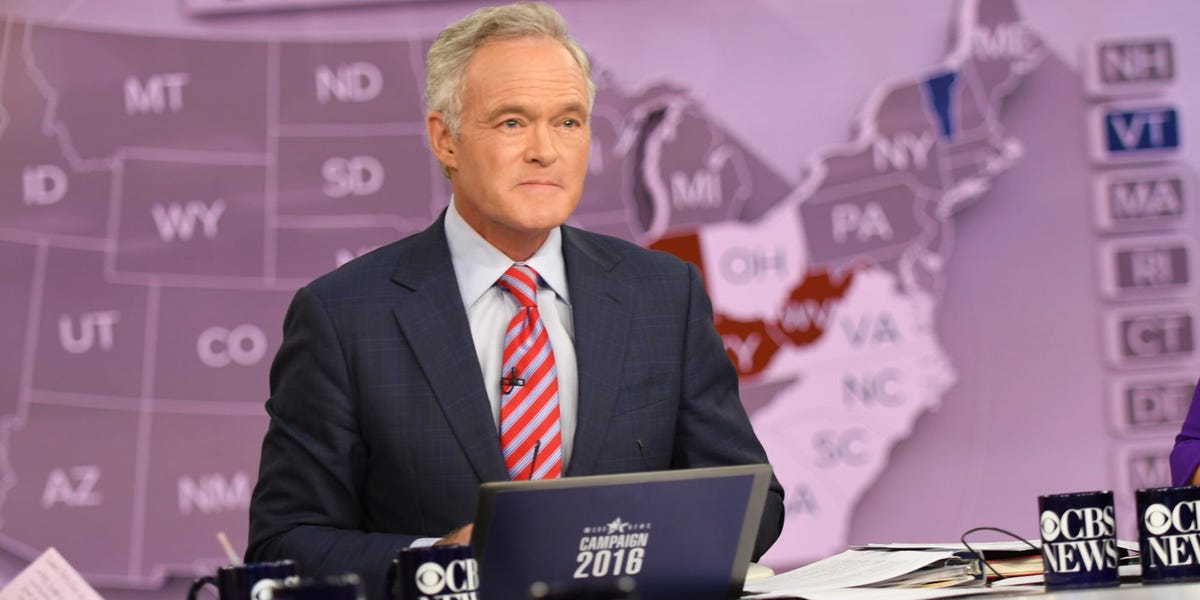
Scott Pelley, the veteran “60 Minutes” correspondent, was fired from CBS News on Tuesday after publicly criticizing editor-in-chief Bari Weiss. For an investor scanning headlines, the natural reflex is to ask whether this signals turmoil at the network’s parent, Paramount Global (PARA). The short answer: no. This is a personnel story, not a financial catalyst.
The naive read treats newsroom friction as a leading indicator of brand damage, advertising pullback, or viewer defection. It is none of those. CBS News accounts for a small fraction of Paramount Global’s total advertising revenue. The broadcast network’s ad sales are dominated by sports, primetime entertainment, and local affiliates, not the Sunday evening news magazine. “60 Minutes” retains a loyal, older demographic that is unlikely to abandon the program because one correspondent departed, even a celebrated one like Pelley.
The better market read is that the firing reflects a deliberate editorial pivot under Weiss, who was hired to broaden CBS News’s political coverage. Weiss has been a controversial figure since her tenure at the New York Times. Her appointment signaled a move toward centrist commentary and away from the traditional investigative posture Pelley represented. His exit could streamline decision-making in the news division, removing a source of internal friction. That is not a disruption. It is a management choice.
Scott Pelley’s Exit and the Noise Floor at Paramount Global
Paramount Global’s investment thesis rests on three drivers: Paramount+ subscriber growth, progress toward streaming profitability, and the pace of debt reduction. The composition of the CBS News correspondent roster touches none of these. The streaming division loses money, and management has been cutting costs across the conglomerate, including layoffs at Showtime and MTV. A single newsroom firing does not alter those numbers.
The stock has moved on every quarterly earnings call where Paramount+ churn data or cost guidance changed. It has not moved on anchor changes at CNN, Fox News, or MSNBC. The same logic applies here. Viewership trends are driven by programming and live events, not individual on-air talent. The exception would be a coordinated talent exodus that threatens the network’s ability to produce flagship shows. Pelley’s departure does not meet that bar.
What a Newsroom Pivot Changes for the Investment Thesis
Investors in media stocks often overreact to editorial drama because it feels tangible. Price targets and earnings models do not have a line item for “newsroom morale.” PARA is a three-way bet on streaming scale, debt paydown, and potential M&A. A change in the editorial tone at CBS News is a second-order variable at best.
If Weiss’s pivot alienates a significant portion of the audience, that would show up in Nielsen ratings over several quarters, not in a week. The first real test will be the fall premiere season when “60 Minutes” and other CBS News programs begin to report viewership trends against the prior year. Even then, attributing a ratings shift to Pelley’s firing would require controlling for the presidential election cycle, which will dominate news consumption through November.
The Next Decision Point for PARA
The next concrete catalyst for Paramount Global is the Q4 2023 earnings call, expected in February. Investors will focus on Paramount+ net additions, free cash flow trajectory, and any update on the company’s cost-cutting program. Until then, the Pelley story is noise. The only scenario in which it gains financial materiality is if it sparks a broader public backlash that forces CBS to reallocate resources or divest a news property. That scenario is extremely unlikely given the polarized media environment.
For a broader view of media sector fundamentals, see AlphaScala’s stock market analysis section.