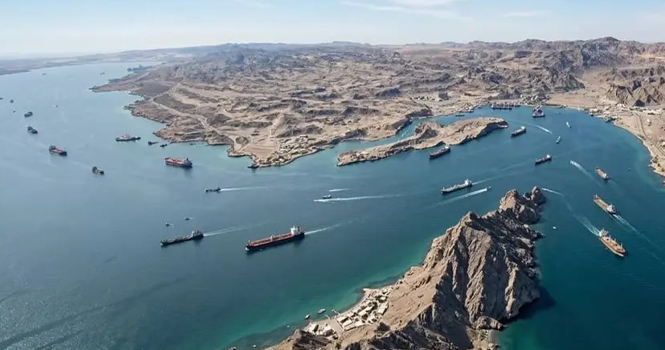
US Secretary of State Marco Rubio rejected Iran's Hormuz toll proposal as illegal. The move raises the geopolitical risk premium for crude oil and shipping ahead of a NATO summit.
US Secretary of State Marco Rubio explicitly rejected any Iranian attempt to impose a tolling system in the Strait of Hormuz, calling the move unacceptable and illegal. Speaking ahead of a NATO foreign ministers meeting in Sweden, Rubio also stressed the need for clear expectations among allies. The statement changes the risk calculus for energy markets. The Strait of Hormuz is a critical chokepoint for global oil supply. A tolling system would function as a state-imposed tax on passage, forcing shippers to either pay or reroute through longer, costlier lanes.
The better market read is that the US rejection signals potential direct action to prevent enforcement, raising the probability of naval confrontation or diplomatic escalation. For traders, the key shift is that what was previously treated as a negotiating lever is now a stated red line. The next move from Tehran will determine whether the risk premium stays elevated or fades.
For crude oil, the immediate effect is a higher geopolitical risk discount applied to forward curves. Physical traders will factor in potential delays or denied access for tankers flagged to Western nations. Shipping companies face rising war risk insurance premiums for vessels transiting the Persian Gulf and Gulf of Oman. Any actual toll implementation would spike freight rates on the VLCC (very large crude carrier) benchmark. Current elevated oil inventory levels provide a buffer that could cap upside even if rhetoric escalates.
Rubio's statement came alongside broader NATO signaling. The foreign ministers' meeting is preparing the agenda for a NATO leaders' summit to be held in the Turkish capital later this year. By framing Hormuz security as an alliance issue, Washington is testing whether European and Gulf allies will support countermeasures such as tighter sanctions, naval escorts, or diplomatic pressure on Iran. A collective security stance would anchor the risk premium. Silence would leave the escalation path open.
Three concrete signals matter: Iran's official response to the rejection, any change in Iranian Revolutionary Guard Corps maritime activity near Hormuz, and whether NATO issues a joint statement on freedom of navigation. Oil volatility will likely increase ahead of the NATO summit. Options implied volatility on Brent and WTI may rise as traders hedge tail risk. For energy equities, the exposure varies by geography. Producers with alternative export routes, such as US shale and Saudi pipelines, could see less disruption. Refiners reliant on Gulf crude face margin risk. The practical question for watchlist decisions is whether the toll threat has sufficient credibility to shift structural positioning. History suggests that hard US rejections of Iranian blockade attempts have led to short-term spikes followed by back-fill when conflicts do not materialize. Traders should monitor the Iranian rial, gold, and regional tanker rates as real-time confirmation signals. A simultaneous jump in all three would indicate the market is pricing tangible disruption.
For broader context on how geopolitical events affect portfolios, see our stock market analysis.
Prepared with AlphaScala editorial tooling from the source reporting linked above. Indexable analysis may include a cited Alpha Score value. Publishing checks screen each story before release. Educational coverage, not personalized advice.