Stocks● Neutral
Why India's 8th Pay Commission Is Debating a 3,490-Calorie Wage Floor
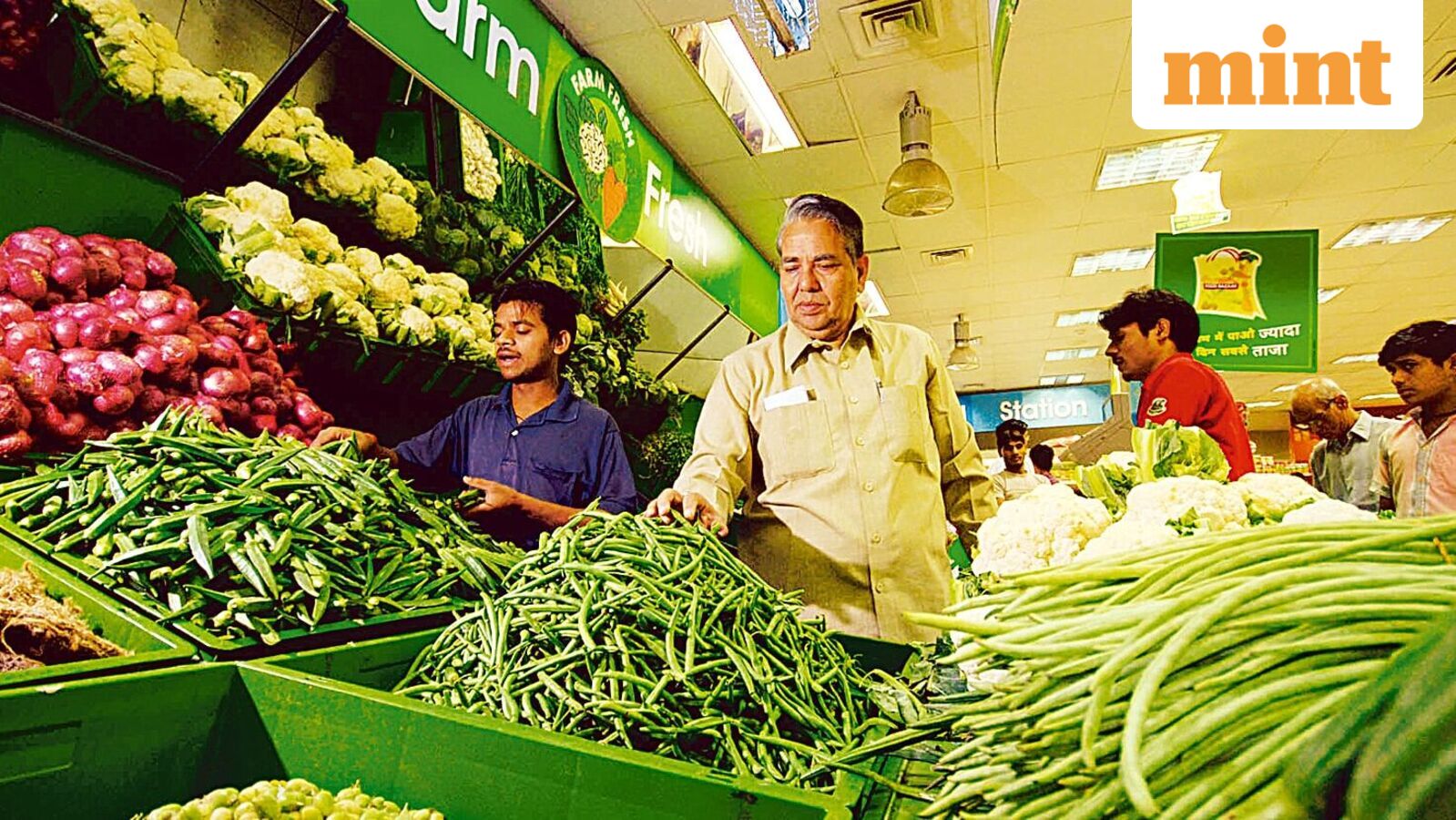
Employee unions demand ICMR's heavy-activity standard to set minimum pay at ₹55,000-₹60,000. Food costs now directly link to salary revision.
Continue with
India's 8th Pay Commission, constituted on 3 November 2025, faces a demand that could fundamentally change how salaries are calculated for central government employees. Employee unions are pushing for a 3,490-calorie formula to determine the new minimum pay, arguing that the existing method based on a 2,700-calorie intake is outdated.
If accepted, the 8th Pay Commission salary structure would be directly linked to the cost of essential food items–milk, vegetables, cereals–required to meet this calorie benchmark. The proposal affects more than 1.1 crore beneficiaries, including central government employees and pensioners. The debate centers on what constitutes a basic standard of living and which nutritional norms should guide public-sector compensation in 2025.
The Calorie Debate: From 2,700 Kcal to 3,490 Kcal
The Aykroyd Formula Under Scrutiny
Previous pay commissions relied on the Dr. Wallace Aykroyd formula, which was based on a 2,700-calorie assumption. The Staff Side of the National Council-Joint Consultative Machinery (NC-JCM) submitted a memorandum calling this approach outdated.
“The Dr. Wallace Aykroyd formula adopted by earlier Pay Commissions based on 2700 calories is outdated,” the NC-JCM stated in its submission. The union instead recommended that the 8th Pay Commission adopt updated nutritional norms from the Indian Council of Medical Research (ICMR) and the National Institute of Nutrition (NIN).
ICMR's Updated Guidelines
The latest ICMR-NIN dietary guidelines categorise daily calorie requirements based on physical activity levels. For adults aged 19–39 years, the recommendations are:
| Activity Level | Men (Kcal) | Women (Kcal) |
|---|---|---|
| Sedentary | 2,110 | 1,660 |
| Moderate activity | 2,710 | 2,130 |
| Heavy activity | 3,470 | 2,720 |
The 3,470 Kcal figure for men in heavy activity rounds to the 3,490-calorie benchmark unions are demanding. Their argument rests on the premise that many government roles involve extensive fieldwork, frequent travel, demanding schedules, workplace stress, and sustained physical effort–all factors that raise daily energy needs beyond sedentary or moderate levels.
Key insight: The calorie shift from 2,700 to 3,490 represents a 29% increase in the assumed nutritional baseline. If the 8th Pay Commission accepts this, the minimum pay calculation would reset from a calorie number last updated decades ago.
How the 3,490-Calorie Formula Would Work
From Calories to Rupees
The proposed mechanism links salary directly to the cost of a food basket that meets the calorie target. The All India NPS Employees Federation (AINPSEF) submitted a separate memorandum showing how this math works.
AINPSEF argued that “the current minimum pay does not adequately compensate employees in view of inflation and rising cost of living.” The federation suggested the 8th Pay Commission should follow ICMR norms.
Their calculation ran as follows:
- ₹6,000 per consumption unit for food costs
- 5 family units = ₹30,000 base food cost
- Add Dearness Allowance of approximately 58% → ₹47,400
- Factor in healthcare, education, and modern living expenses
- Result: a “scientifically derived minimum pay” ranging between ₹55,000 and ₹60,000