Commodities● Neutral
Mozambique's Fuel Crisis: The Real Bottleneck Is Forex
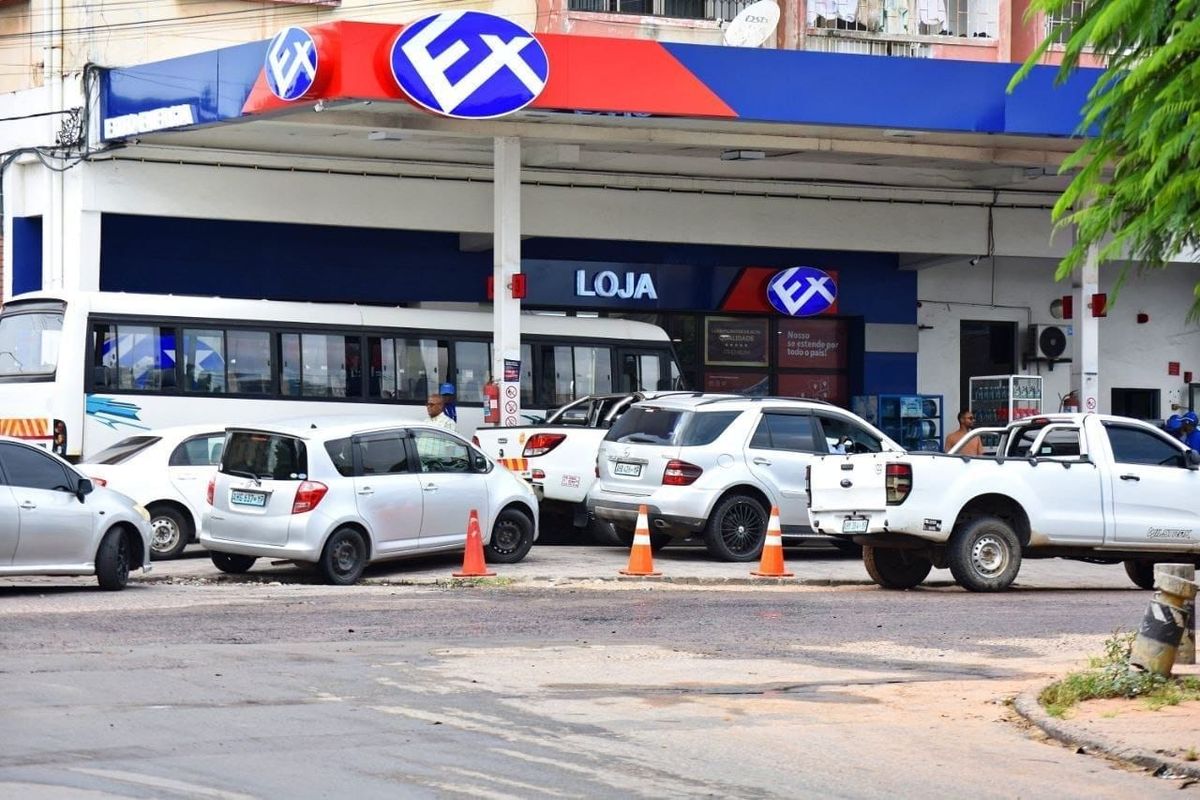
Petromoc's 42% market share masks a structural forex shortage. Import financing is the real choke point, not speculation. Reserve data is the next catalyst.
Continue with
The government says fuel queues are easing in Maputo. Petromoc, the state-owned fuel company, now supplies about 42% of the market. The energy regulator Arene has approved new penalties targeting speculation, hoarding, and supply manipulation. On the surface, the response suggests control.
The better read comes from a phrase buried in the Ministry of Mineral Resources and Energy own explanation: “challenges associated with financing imports.” Speculation and hoarding distort markets. They do not create shortages on their own. Fuel disappears only when importers cannot secure supply. The evidence points not to a physical shortage of fuel but to a shortage of foreign currency.
How the Forex Gap Chokes Fuel Supply
Mozambique depends on imported refined products. Importers need foreign currency to open letters of credit and pay international suppliers. When the central bank’s reserves tighten or commercial banks ration dollars, the import pipeline contracts. The queues that formed in Maputo were a symptom of that financing gap, not of hoarders hiding product.
The Ministry acknowledged the financing mechanism that allowed Petromoc to step in with additional deliveries. That intervention worked quickly; long queues shortened within days. The mechanism itself is a stopgap. It does not address the underlying shortage of hard currency that makes importing fuel a structural risk.
Petromoc's 42% Market Share: Temporary, Not Structural
Petromoc has expanded from a smaller role to nearly half the market. That shift suggests private importers are struggling to secure financing. The government’s special financing arrangement enables Petromoc to bring in product. If private-sector importers remain sidelined, the state will have to carry an increasing share of the supply burden. That concentration introduces its own execution risk: Petromoc’s financing line may not keep pace with demand if foreign exchange conditions do not improve.
The Arene penalties for speculation and hoarding may reduce local price distortions. They do not add a single litre to the import schedule. The regulatory response addresses symptoms, not the currency bottleneck.