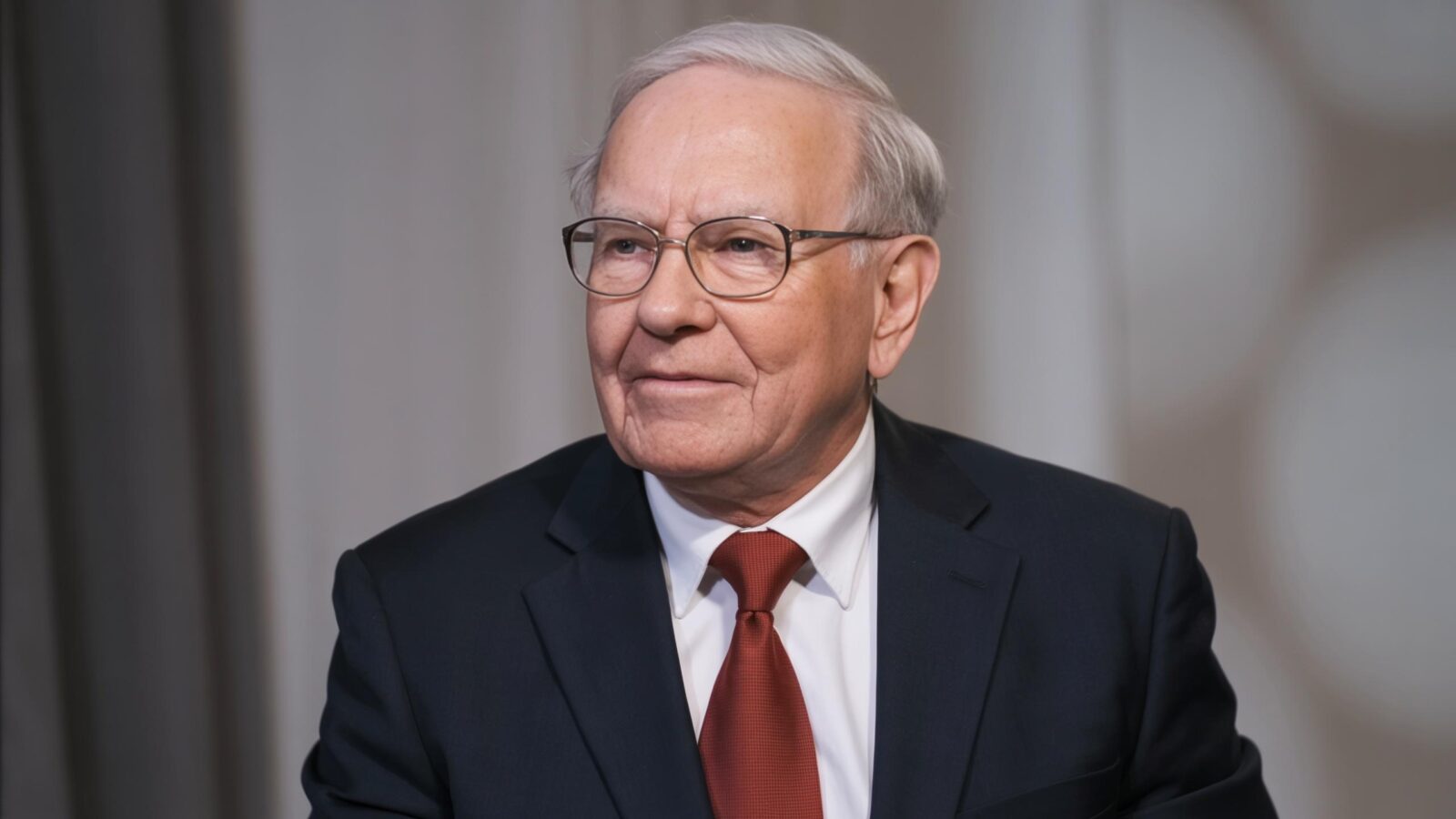
Warren Buffett has spent decades watching bright people destroy their portfolios through bad habits, not low IQ. He talks about rationality, not test scores. The pattern shows up in behavior, and he has named the traps repeatedly.
Ego, greed, fear, and envy are the real enemies. "It's a mindless imitation of other people," Buffett said. "There are a variety of factors that cause that horsepower of the mind to get diminished dramatically." Blind conformity removes thought from the equation. A person with high raw intelligence can still fail when those emotions take over.
Buffett also warns against overcomplicating simple situations. Some people chase complexity because it feels impressive. He sees it as backward. "There seems to be some perverse human characteristic that likes to make easy things difficult," he said. His entire philosophy rests on the opposite: buy good businesses at fair prices, then hold them. The advice sounds plain. That plainness is exactly the point.
Impulse control matters more than brainpower once a person clears a basic intelligence threshold. "Once you have ordinary intelligence, what you need is the temperament to control the urges that get other people into trouble," Buffett said. People who can't manage urges buy at the top and sell at the bottom. They chase excitement instead of following a plan. Emotional discipline is the real dividing line between success and failure.
Restlessness is another red flag. Many people feel a constant urge to act, tinker, or trade even when the smartest move is to wait. "Inactivity strikes us as intelligent behavior," Buffett said. He has held cash for years while waiting for the right opportunity. Sitting still is often the hardest decision, and usually the correct one.
Leverage is a separate category. "I've seen more people fail because of liquor and leverage," Buffett said. Borrowed money turns a survivable setback into a total wipeout. It removes the margin of safety needed to survive a downturn. Wealth gets built through patience and compounding, not shortcuts.
Pretending to understand something you don't is an expensive habit. Knowing the edges of your own knowledge is worth more than knowing a great deal about everything. Buffett has avoided industries he doesn't understand, even profitable ones. Staying inside a defined circle of competence spares him from bad decisions.
Integrity is non-negotiable. "If you don't have the first, the other two will kill you," Buffett said, referring to the three qualities he looks for in hires: integrity, intelligence, and energy. Intelligence without integrity speeds up a person's downfall. He would rather work with an honest person of average ability than a brilliant person he can't trust.
Preparation matters more than prediction. "Predicting rain doesn't count. Building arks does," Buffett said. He keeps large cash reserves at Berkshire Hathaway to be ready for opportunity or hardship. A lack of preparation is a failure of judgment, not luck.
Forecasts reveal little about the future. They tell you a great deal about the forecaster. Buffett reads financial statements and studies businesses directly. Relying on someone else's guesswork is a poor substitute for independent judgment.
Berkshire Hathaway (BRK.B) carries an Alpha Score of 46, labeled Mixed. The score reflects a company that follows Buffett's own principles: disciplined capital allocation, patience, and a focus on long-term value. For traders, the lesson is clear. Temperament can be trained even when raw intelligence cannot. Anyone willing to slow down, stay honest, and think independently can avoid the traps that have derailed far smarter people.