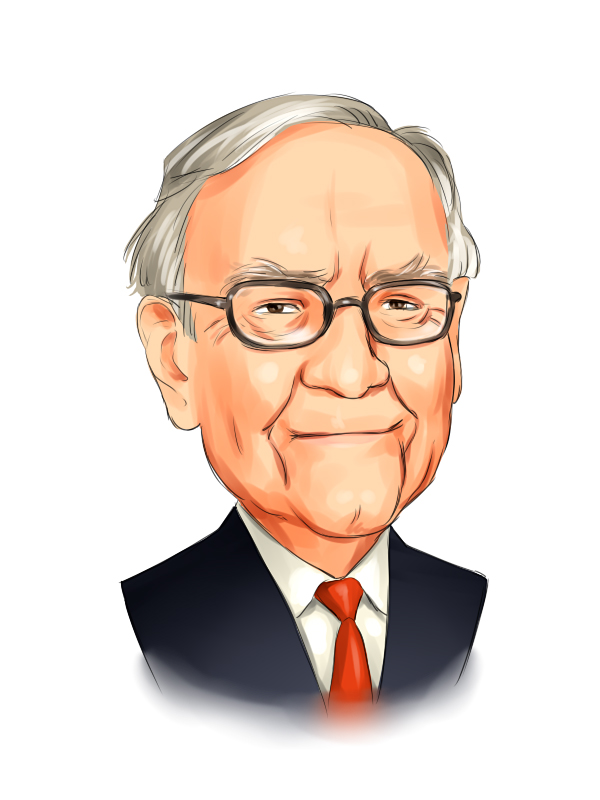
Warren Buffett's Berkshire Hathaway held 50 million Kroger shares through the first quarter of 2026, a stake worth $3.6 billion at current prices. The position has been steady since late 2022, after Berkshire built it from 19 million shares in 2019. The hold is a vote for cash flow, not for growth.
Morgan Stanley reiterated an Equal Weight rating on the stock on June 22, cutting its price target to $67 from $73. The bank flagged the risk in Kroger's self-funded growth model. Strong execution by CEO Rodney McMullen has kept the model working. The same model leaves narrow room for error if same-store sales soften or wage inflation accelerates.
The bigger sector readthrough is about valuation. Kroger trades at about 12 times forward earnings, in line with grocery peers like Albertsons. The multiple is capped because the industry is a low-growth, high-cash-flow business. Private-label penetration has helped margins. Walmart's grocery push and Aldi's store expansion keep competitive pressure high. Supply-chain investment and wage costs eat much of the private-label benefit.
Buffett's own words from a 1996 shareholder letter frame the thinking:
Kroger fits that frame. The company generates roughly $4 billion in free cash flow annually. That cash supports dividends and buybacks. The stock lacks a clear catalyst for multiple expansion. The biggest overhang is the Albertsons merger saga. A resolution could unlock value. Until then, the stock is likely to trade in a range.
Berkshire's other consumer staple holding, Coca-Cola (KO), offers a contrast. KO carries an Alpha Score of 62, rated Moderate. Its brand moat and global distribution deliver predictable earnings growth. Kroger has no such moat. Its competitive advantages are local density and private-label scale, both of which competitors can replicate.
Bank of America (BAC), another major Berkshire holding, benefits from a steep yield curve and loan growth. BAC has an Alpha Score of 64, also Moderate. Kroger sits in a different spot: defensive, cash-rich, structurally capped by industry competition.
The next quarterly report, due in September, will show whether same-store sales and margins are holding. That print tests the self-funding thesis. Kroger's Q1 guidance cut already showed the pressure on margins from wage and supply-chain costs.