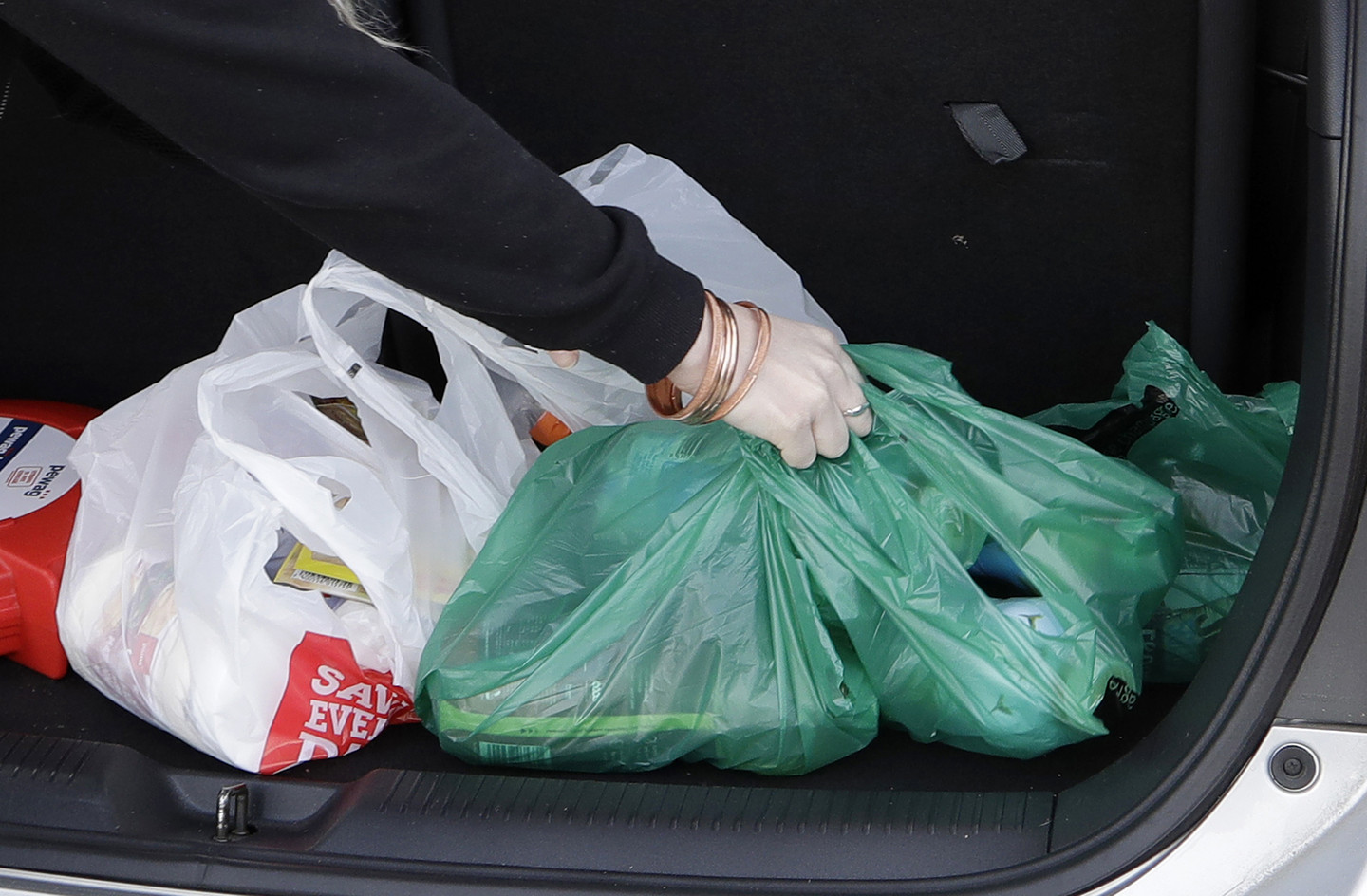
From Beaufort, South Carolina to Cape Cod, Massachusetts, and from Jefferson City to Providence, a familiar policy script is playing out in statehouses and city councils across North America: ban the plastic bag, feel virtuous, and declare victory. What rarely follows is honest scrutiny of whether the ban actually helps the environment or quietly makes things worse while blocking the very technologies that could solve the plastic problem for real.
The Life-Cycle Tradeoff Ban Advocates Skip
Paper Bags Have a Larger Carbon Footprint
The war on single-use plastic bags has long been waged on the assumption that they are uniquely destructive and that swapping them for paper is an obvious win. The life-cycle science disagrees. A comprehensive Danish Environment Review found that a paper bag must be reused at least 43 times just to break even with the climate impact of a single plastic bag. Studies have found that the carbon footprint of a paper bag is more than three times higher than a single-use plastic bag. Plastic bags generate 39% fewer greenhouse gas emissions than uncomposted paper bags and 68% fewer than composted ones. Using paper bags generates five times more solid waste than using plastic.
When legislators in Cape Cod or Columbia debate a plastic bag ban, they are not choosing between pollution and cleanliness. They are choosing which environmental costs to impose and then pretending those costs don't exist. Paper bags contribute less to littering but carry a larger burden on the climate, eutrophication, and acidification compared to single-use plastic bags.
The Recycling Nuisance Is Not the Core Problem
The practical arguments against plastic bags are also weaker than advertised. Recyclers at a Kansas City-area facility who toured their Harrisonville plant with journalists this spring found that plastic bags are a sorting nuisance because they jam equipment and can shut a plant down. The facility already has to sort out and throw away about 22% of what it receives, with plastics accounting for just 8-9% of recyclable material. The answer to this contamination challenge is better consumer education and improved collection infrastructure, not blanket bans that shift the problem upstream to the paper mill.
The Global Recycling Failure Demands Real Solutions
Only 9% of Plastic Waste Is Recycled
None of this means plastic waste is a fiction. It isn't. Only about 9% of plastic waste is currently recycled globally. The rest is landfilled, incinerated, or mismanaged, and that is a genuine crisis demanding genuine solutions. The question is whether bans or technology get us there faster. The answer is clearly the latter, which is exactly why the legislative push in Rhode Island to ban chemical depolymerization and advanced recycling facilities deserves the pushback it hasn't been getting.
The Rhode Island Battle Over Advanced Recycling
What the Bill Actually Does
Rhode Island state Rep. Michelle McGaw has filed versions of a bill banning plastic-waste conversion facilities since 2022, and is now pressing for passage as the EPA considers reclassifying pyrolysis as manufacturing rather than waste management. That reclassification, according to industry, would unlock investment. McGaw says it would strip away environmental protections. That debate is legitimate. McGaw's characterization of advanced recycling as "incineration in disguise" is not.
Depolymerization vs. Pyrolysis: Not the Same Process
Depolymerization and pyrolysis are not the same process, and conflating them to tar the entire category is a rhetorical move, not a scientific one. Advanced recycling technologies employing depolymerization can break heterogeneous polymers down into recoverable monomers, enabling material recovery rates of 70-95% and greenhouse gas reductions of 30-80% compared to conventional disposal methods. Compared with feedstock recycling approaches like pyrolysis, true depolymerization is more favorable in life-cycle analysis terms, precisely because it recovers material rather than energy. Banning it in Rhode Island doesn't protect Rhode Islanders from pollution, it prevents them from capitalizing on a solution.
The Pattern: Perfect as Enemy of Achievable
Where the Policy Chain Breaks
There is a recurring pattern in environmental policy where the perfect becomes the enemy of the achievable. Plastic bags are banned, paper bags fill the gap with a heavier carbon footprint, recycling infrastructure gets no investment, and breakthrough chemical recycling is preemptively outlawed. At every step, advocates congratulate themselves on having taken a stand. At no step does the plastic in the ocean actually decrease.
What Would Actually Work
If legislators in Missouri, Massachusetts, and Rhode Island want to take plastic pollution seriously, they should:
- Invest in curbside collection infrastructure
- Fund chemical recycling pilots with real emissions monitoring and accountability
- Let consumers make informed choices
What they should not do is run a morality play starring a grocery bag while the real solutions get banned before they scale.
The Investor Angle: WM and the Recycling Economy
The single-use plastic bag did not cause the plastic pollution crisis. A broken recycling economy did. Banning the bag and the technology that could fix that economy only deepens the problem. For investors tracking the sector, the WM stock page shows an Alpha Score of 45/100 (Mixed) in Industrials, reflecting the uncertainty around regulatory direction and recycling economics. The legislative battles in Rhode Island and elsewhere will determine whether capital flows into advanced recycling infrastructure or stays on the sidelines waiting for a coherent policy signal.
For a broader view of how regulatory and market forces shape the stock market analysis, the sector read-through is clear: the plastic recycling economy is at a policy inflection point where bans on technology could lock in the 9% recycling rate for another decade.