Stocks● Neutral
Why Al Majdiah's all-time low matters now
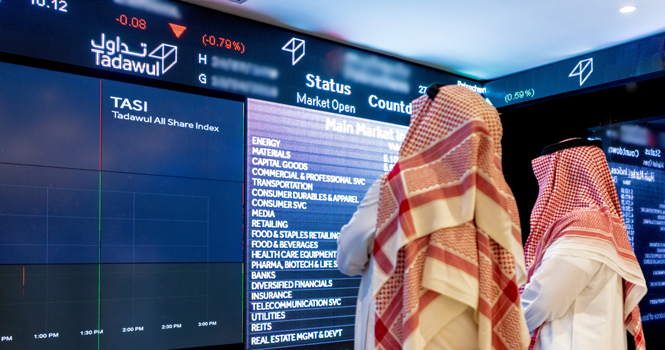
Al Majdiah shares hit a record low. Here's what changes the risk profile for holders and the next catalyst that could confirm a floor or accelerate the drop.
Continue with
Al Majdiah shares dropped to an all-time low on June 3, a move that compresses the stock's valuation range and changes the risk calculus for anyone holding or watching this name.
The simple read is that the stock is cheaper than it has ever been. The better market read is that an all-time low often signals a liquidity event, a shift in institutional positioning, or a sector read-through that the headline price alone does not capture. For Al Majdiah, the drop comes without a public corporate announcement, which points to broader market pressure or a structural repositioning by large holders.
The All-Time Low in Context
An all-time low is not just a price label. It resets the stock's technical boundaries – every prior support level is now history. For traders scanning Saudi equities, this creates a new decision point: does the stock find a floor here, or does the absence of bids accelerate the decline?
The lack of a company-specific catalyst (no earnings miss, no board change, no dividend cut disclosed in the thin source) suggests the move may be driven by index rebalancing, sector rotation, or a forced liquidation. In the Saudi market, negotiated deals and block trades often follow such price dislocations, as seen recently with Tabuk Cement's SAR 2.3 million TASI trade. Al Majdiah could see similar pattern.