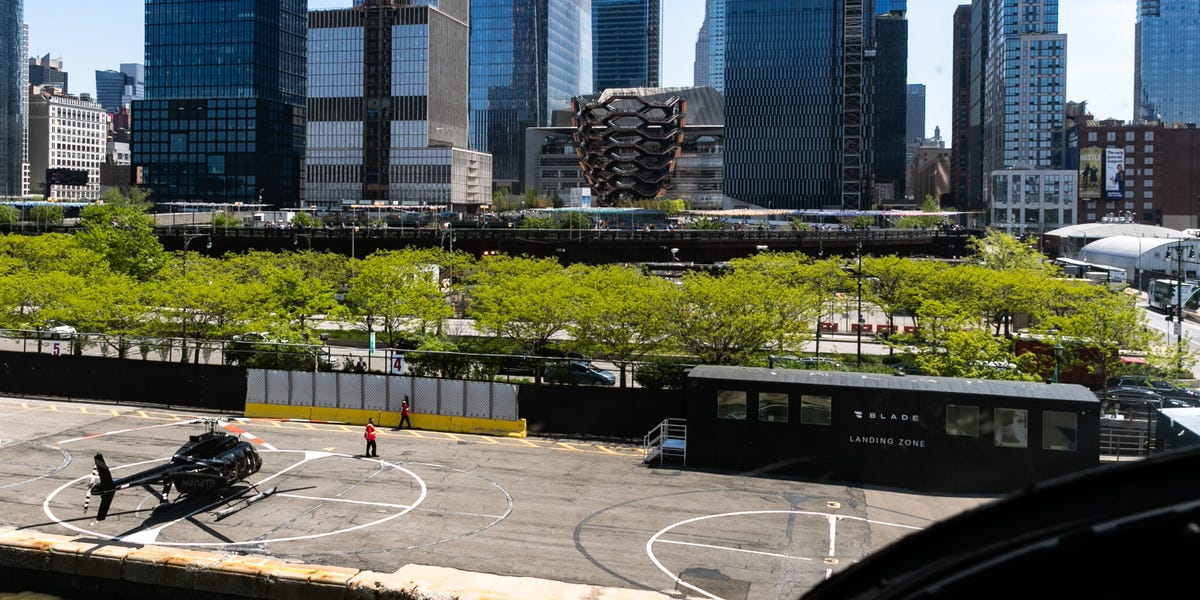
The Strike Creates a Real-World Test for Air Taxis
A railroad strike in New York has opened a rare window for flying taxi companies to demonstrate their value to everyday commuters. The work stoppage has disrupted rail service that normally moves hundreds of thousands of people through the region, creating a surge in demand for alternative transport.
Flying taxi operators have long pitched vertical takeoff and landing aircraft as a solution for congested urban routes. The pitch has always faced a credibility problem: without a real crisis that clogs ground transport, the premium pricing and limited range of these aircraft look like a novelty rather than a practical option. The strike removes that objection for at least a few days.
What Changes for Commuter Helicopter Operators
The immediate effect is a spike in booking inquiries from travelers who would never normally consider a helicopter commute. Operators that run scheduled routes between Manhattan and area airports, or between suburban helipads and the city, now have a chance to convert first-time riders into repeat customers.
Pricing is the biggest friction point. A helicopter ride from Manhattan to JFK can cost $200 to $300 per person, compared with $8 for the subway or $15 for a ride-share. The strike makes that price gap feel smaller because the alternative is hours of driving or no rail service at all.
Capacity is the second constraint. Helicopter operators have a fixed number of aircraft and pilots. A surge in demand during the strike will test whether they can scale operations quickly, or whether they will turn away customers and lose the goodwill they are trying to build.
The Market Read: Hype Versus Infrastructure Reality
The naive read is that a spike in bookings proves demand exists. The better market read is that the strike exposes the gap between hype and infrastructure.
Flying taxi companies need helipad access, air traffic control slots, and regulatory approvals that do not scale overnight. A single helipad in Manhattan can handle only a few departures per hour. Noise restrictions limit operating hours. The Federal Aviation Administration has not yet certified most electric vertical takeoff and landing (eVTOL) aircraft for commercial passenger service, so the current fleet is limited to conventional helicopters with higher operating costs.
Joby Aviation and Archer Aviation are the two publicly traded companies most often associated with the flying taxi narrative. Both are developing eVTOL aircraft but have not yet started commercial passenger service. The current strike benefits conventional helicopter operators, not the eVTOL companies that dominate the headlines.
What Would Confirm or Weaken the Setup
A confirmed shift in commuting patterns would require operators to report sustained booking growth after the strike ends. One week of higher demand during a transit crisis is not a business model.
Weakening factors include: the strike ends quickly and rail service resumes; operators cannot meet demand and leave customers stranded; or pricing remains too high to attract repeat riders even during the disruption.
Confirming factors include: operators announce new scheduled routes based on strike-period demand; they report higher conversion rates from first-time to repeat customers; or they secure additional helipad slots or aircraft to expand capacity.
The Next Decision Point
The strike timeline is the immediate catalyst. If rail service resumes within a few days, the flying taxi thesis returns to its pre-strike state: a long-term story with no near-term revenue. If the strike drags on for weeks, operators have a longer window to prove reliability, and the companies that own helipads or aircraft leases may see a more durable demand shift.
For investors tracking the sector, the key data point is not the booking spike itself. It is what operators say about retention rates and route expansion in the weeks after the strike ends. Without that follow-through, the strike is just a temporary demand blip in a sector that has not yet solved its fundamental cost and infrastructure problems.
For a broader look at the risks facing pre-revenue aviation companies, see Why JOBY Valuation Remains Risky Ahead of 2027 Monetization.
For context on how market events affect emerging transport stocks, see stock market analysis.