Stocks● Neutral
Whitmer's 2028 Exit Reshapes Tech Regulatory Risk
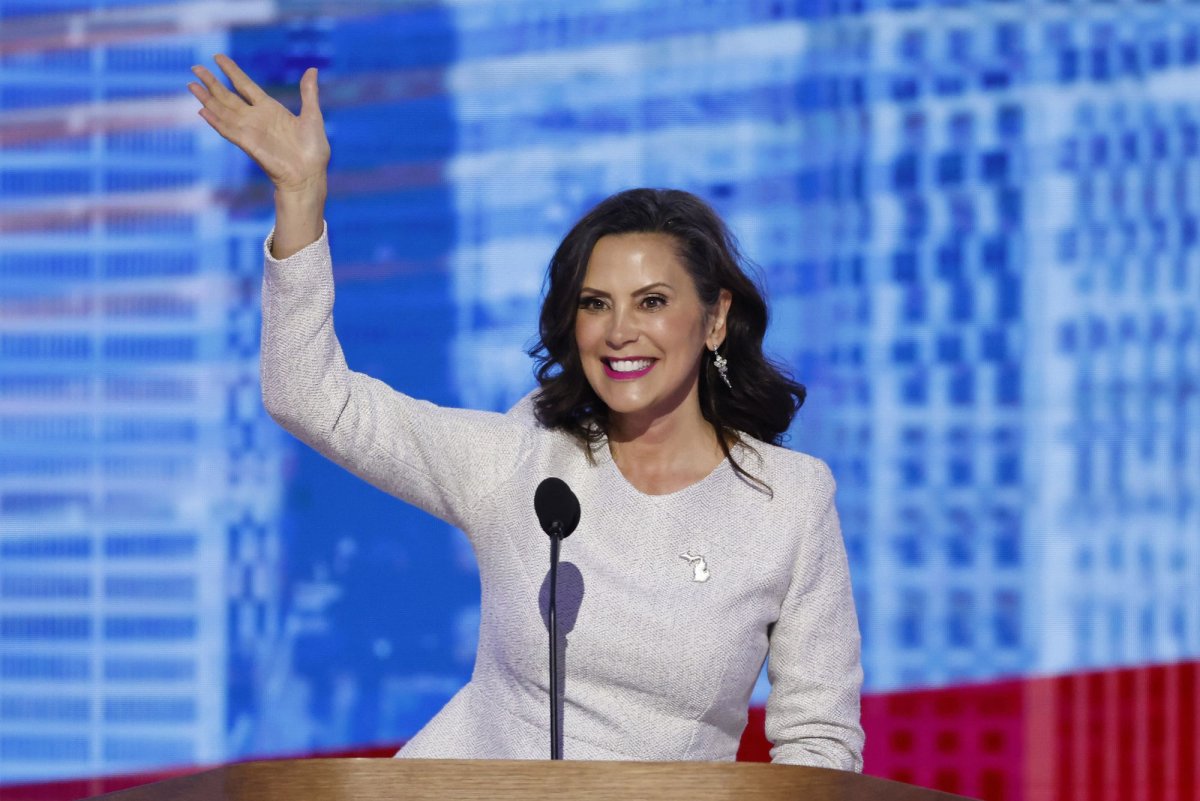
Michigan governor's decision not to run concentrates Democratic primary toward candidates with tech-accountability records, raising the probability of platform regulation becoming a live campaign issue.
Continue with
Michigan Governor Gretchen Whitmer will not run for president in 2028, ending speculation that she would join a crowded Democratic primary field. Whitmer told WJBK-TV that she plans to take a break after her second term ends this year rather than jump into another campaign. She left a narrow door open to change her mind but does not expect to do so.
The decision removes a candidate who had built a national profile around economic competitiveness in a swing state. A recent poll cited in the same interview showed former Transportation Secretary Pete Buttigieg leading the field, followed by California Governor Gavin Newsom and Representative Alexandria Ocasio-Cortez.
Whitmer's Exit and the Democratic Field
Whitmer's absence concentrates momentum toward the current polling leaders. Each of those top three candidates carries a record of engaging with large technology companies on regulation. Newsom signed California's digital privacy law and pushed data usage rules. Ocasio-Cortez co-sponsored federal antitrust bills aimed at breaking up platform monopolies. Buttigieg focused on infrastructure and transportation, an area less directly confrontational with tech platforms but still involving data and oversight.
For investors in large-cap tech, the composition of the Democratic nominee determines the regulatory tail risk that gets priced into valuations. A nominee with a strong tech-accountability platform raises the probability of commission caps, antitrust enforcement, or data rules becoming a live campaign issue earlier in the cycle. That timing matters because regulatory debates compress valuation multiples even before legislation passes.