Commodities● Neutral
Strait of Hormuz Blockade Confirmed: CL and XAU/USD Impacts
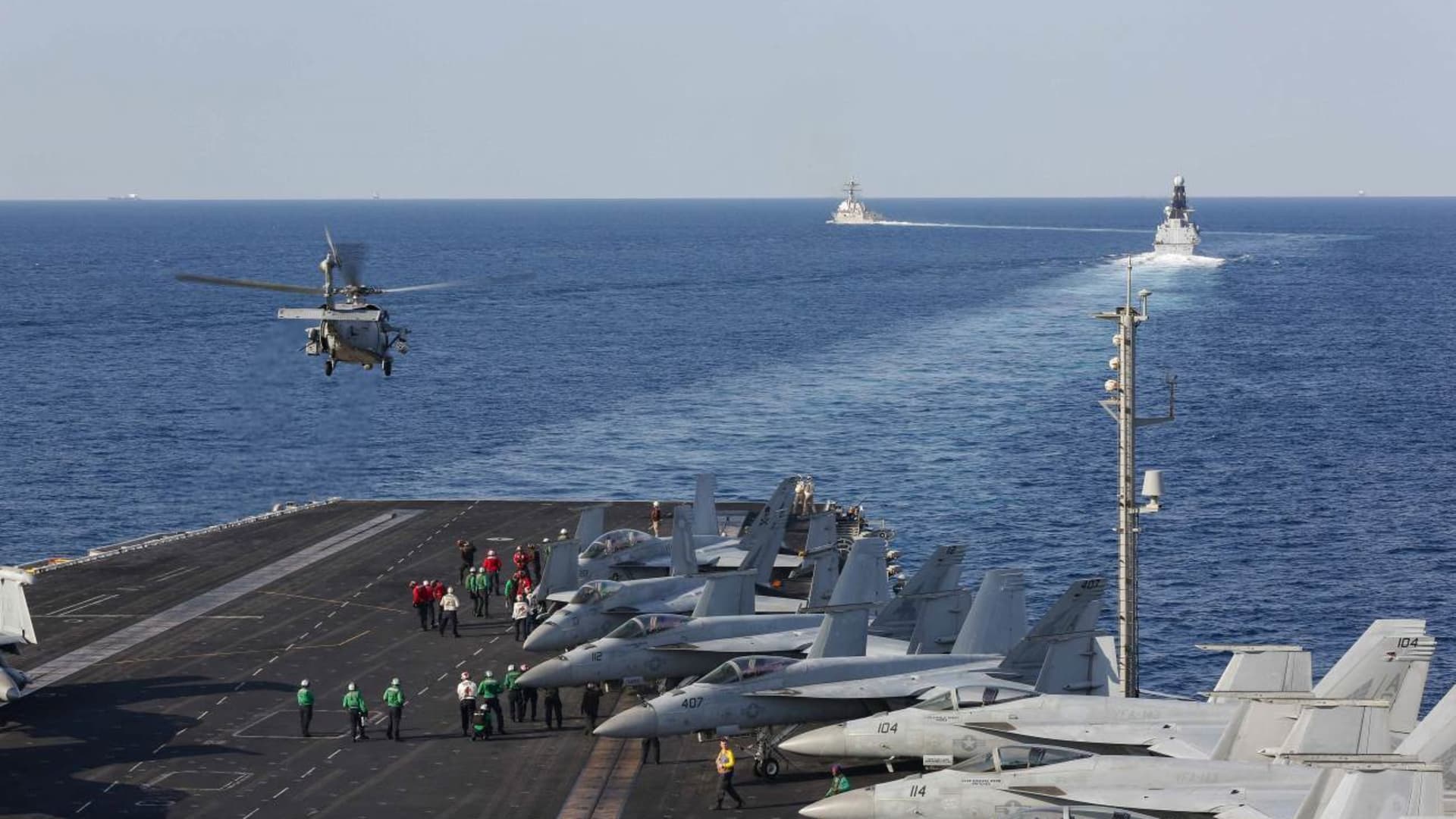
The White House confirms the waterway is closed to commercial traffic. Markets brace for energy volatility as traders weigh diplomatic talks against supply.
Continue with
Washington Confirms Strait Closure
The White House officially declared that a blockade in the Strait of Hormuz is now fully operational. This move restricts a critical artery for global energy transit, heightening tensions across the region. Officials confirmed the military posture is locked in, effectively closing the waterway to standard commercial traffic.
Strategic Implications for Energy Markets
Traders monitoring the crude oil profile are assessing the impact of this closure on global supply chains. Because a significant portion of the world's daily oil supply passes through this chokepoint, the blockade creates immediate pressure on energy prices. Investors often turn to the gold profile during such periods of heightened geopolitical risk as a traditional store of value.
| Region | Status | Impact Level |
|---|---|---|
| Strait of Hormuz | Blockaded | High |
| Global Oil Transit | Restricted | Critical |
| Tehran-U.S. Talks | Ongoing | Pending |