Stocks● Neutral
U.S. Strikes in Hormuz Keep Oil Risk Alive Despite Ceasefire
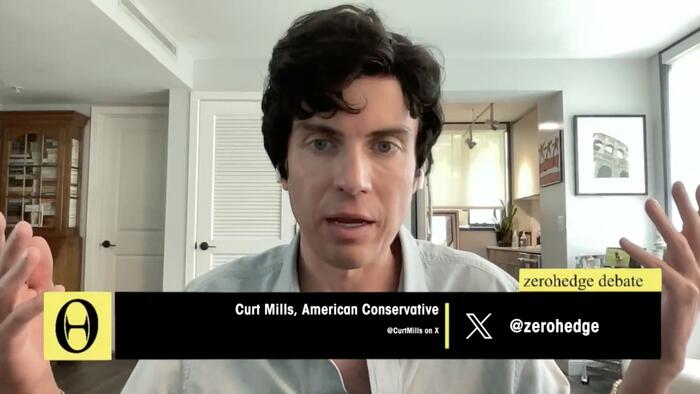
Curt Mills and Will Chamberlain debate the Iran deal's stability after retaliatory strikes. For traders, the key question is whether the Strait remains open to tanker traffic.
Continue with
President Trump's Iran agreement is under pressure after a fresh round of retaliatory strikes by the U.S. in and around the Strait of Hormuz. Iran allegedly targeted a commercial cargo ship with attack drones. U.S. forces responded by striking Iranian missile, drone, and radar sites. The ceasefire is shaky.
Against that backdrop, American Conservative executive director Curt Mills and Will Chamberlain of the Article III Project joined author Michael Malice to debate whether Trump struck the right deal, whether preserving stability in the Strait justifies the concessions, and what the agreement means for the Republican party.
Mills said he supported Trump because he represented a different type of conservatism. He warned that if the GOP reverts to "Jeb Bushism, Scott Walkerism, Mitt Romneyism," then he is not interested in the project. Chamberlain argued strongly for denaturalizing and deporting foreign-born communists, naming Mehdi Hasan and Ilhan Omar. Mills countered that Hasan is not a Marxist-Leninist and that deporting legal residents over political disputes is against the American spirit.