Freight Costs Jump Tenfold for Indian MSME Exporters
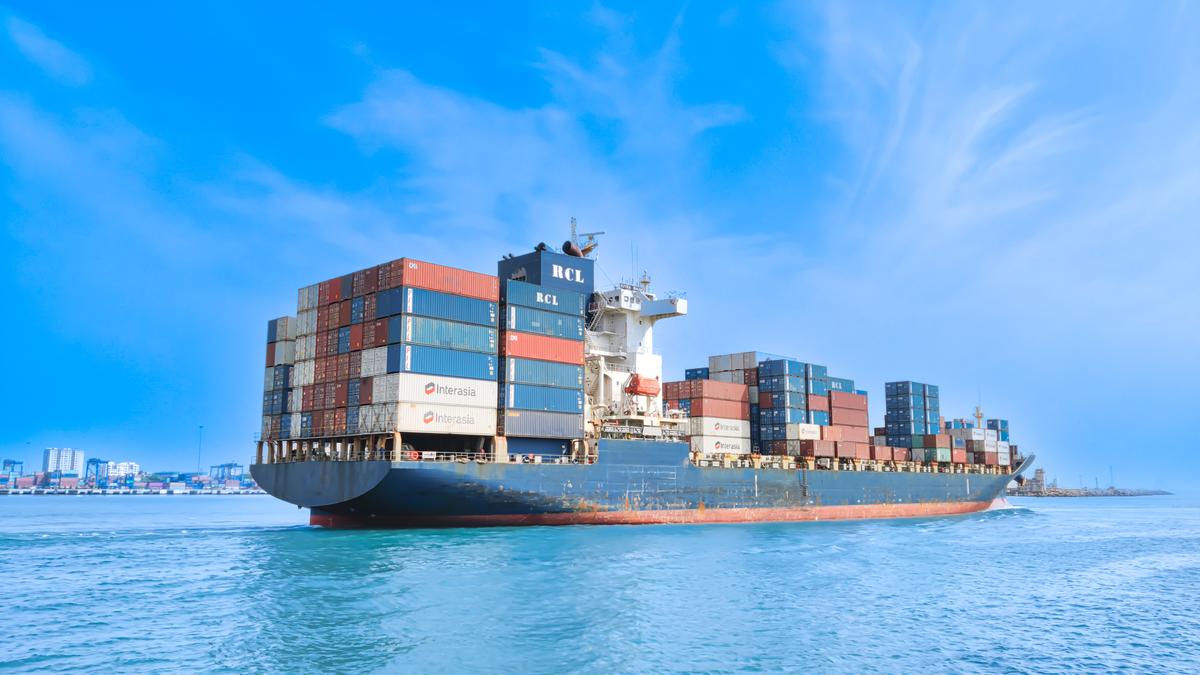
Container freight from India to West Asia jumped 13x since the war began. Steel, copper, and brass costs are also up. MSME exporters absorb the hit.
A container that cost $350 to ship from India to West Asia now runs $4,500. That is a thirteenfold increase since the U.S.-Iran-Israel war disrupted trade routes, said exporters in Coimbatore and Tiruppur.
The war has left containers stranded at West Asian ports. The resulting shortage drives up freight on every leg. A 20-foot box from Thoothukudi or Kochi to Colombo, once $400, now costs $600, said V. Rangaswamy, president of the Coimbatore District Small Industries Association. He sees no sign of prices easing.
Exporters in Tiruppur's garment cluster told a similar story. Freight to the U.S. and European Union surged nearly 200 percent before beginning to ease. Shipments to West Asia face the worst hit: a 40-foot container that cost $700 now runs $5,900, and transit times stretch an extra two weeks, they said.
Most buyers are not sharing the cost. "The buyers are also under stress as inflation is up in their countries," Rangaswamy said. Pankaj Chadha, chairman of EEPC India, called the increase "dramatic" and a serious problem. Exporters have raised the issue with the Union government without getting relief. "Freight costs cannot be regulated and the buyers are not willing to share the costs. So we have no option but to bear the costs. This is similar to the COVID time when the freight costs went up," he said.
The freight shock compounds a separate cost squeeze. Steel prices are up nearly 30 percent. Copper and brass have doubled. Packaging costs have also jumped. MSMEs do not have the margin to absorb all of it, especially exporters of perishable goods who face longer waits for containers, Rangaswamy said.
Industry representatives said the uncertainty and cost escalation are hitting operations and generating losses. The manufacturing corridor around Coimbatore has been a focus of recent regional development efforts. Why Kerala's Palakkad IMC Targets Coimbatore's Manufacturers outlines one initiative aimed at the same MSME base now buckling under freight costs.
For the broader economy, the pressure is clear. If freight stays elevated, India's trade deficit could widen as exporters struggle to pass through costs. Domestic inflation may eventually reflect the pass-through from costlier imported raw materials. The next marker: whether container availability improves as West Asian ports clear backlogs. Nothing in the source suggests that is near.
Drafted by a large language model from the source reporting linked above, then screened by automated publishing checks. It is not read by a journalist before publication. Some articles cite our Alpha Score. Verify prices and figures against the original source. Educational coverage, not personalized advice.