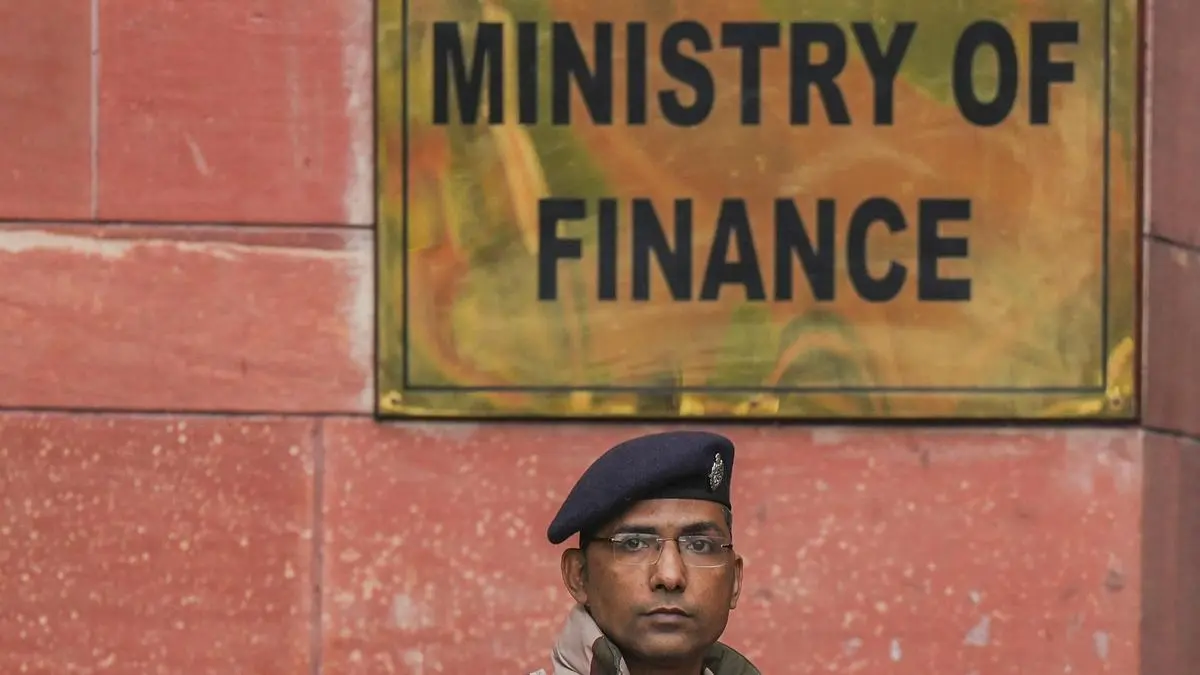
The Indian Finance Ministry has issued a formal warning regarding the potential for a significant supply shock stemming from the ongoing crisis in West Asia. The primary concern centers on the vulnerability of energy imports, as persistent regional instability threatens to disrupt crude oil delivery schedules and inflate landed costs. If these logistical bottlenecks persist, the resulting cost-push pressures are expected to permeate the broader domestic economy, complicating existing efforts to maintain price stability.
Energy Logistics and Supply Chain Vulnerabilities
The reliance on maritime routes through West Asia makes the Indian energy sector particularly sensitive to regional conflict. Any delay in oil repairs or infrastructure maintenance within the region directly impacts the flow of crude, creating a supply-side constraint that forces importers to seek alternative, often more expensive, sources. This shift in procurement strategy introduces volatility into the domestic fuel market, which acts as a primary input cost for manufacturing and transport sectors. When these costs rise, the inflationary impact is rarely contained to energy alone, as businesses pass on the increased overhead to consumers across the goods and services spectrum.
Agricultural Output and Seasonal Constraints
Beyond energy, the ministry highlighted the potential for a weak kharif season to exacerbate inflationary pressures. The agricultural outlook is currently clouded by the influence of El Nino, which introduces significant uncertainty regarding rainfall patterns and crop yields. A shortfall in domestic food production, coupled with elevated energy costs, creates a dual-threat scenario for the consumer price index. Food and fuel represent the most volatile components of the Indian inflation basket, and their simultaneous upward movement limits the central bank's ability to manage monetary policy effectively.
- Regional conflict in West Asia threatens the stability of crude oil import timelines.
- El Nino conditions pose a direct risk to the upcoming kharif harvest.
- Combined pressure from energy and food costs risks a broader, sustained inflationary cycle.
AlphaScala data currently reflects varying levels of stability across consumer-facing sectors. For instance, Costco Wholesale Corporation (COST stock page) holds a moderate Alpha Score of 57/100, while Estee Lauder Companies Inc. (EL stock page) is currently labeled as weak with a score of 24/100. These metrics underscore the divergent pressures facing global consumer staples as supply chain costs fluctuate.
Market participants should monitor upcoming government data releases regarding monthly trade balances and agricultural output forecasts. The next concrete marker for this situation will be the release of updated domestic inflation figures and any subsequent adjustments to the Reserve Bank of India's policy stance. These indicators will reveal whether the anticipated supply shock is beginning to manifest in core economic data or if current mitigation strategies are sufficient to absorb the external volatility. For further analysis on how these shifts impact global resource flows, see our commodities analysis section.