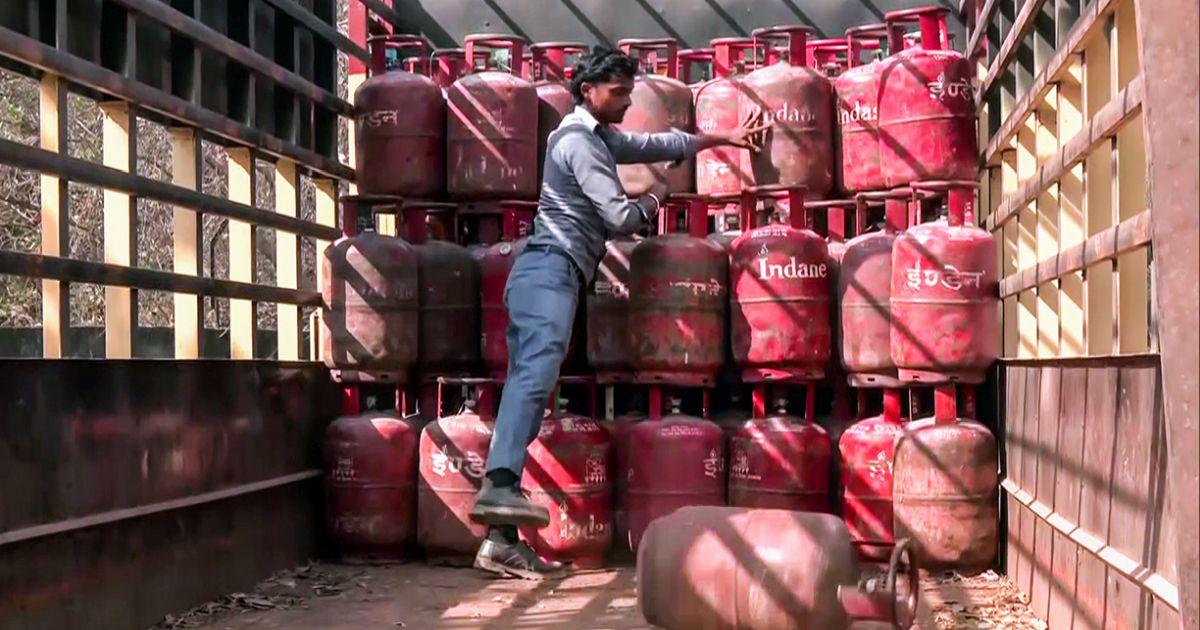
India's state-run oil marketing companies face a mounting fiscal challenge as projected under-recoveries on liquefied petroleum gas (LPG) sales reach an estimated Rs 80,000 crore by FY27. This financial strain stems from the persistent gap between the cost of procurement and the regulated retail selling price, a dynamic that directly impacts the operating margins of the country's primary fuel distributors. As these companies navigate the complexities of global energy pricing, the inability to pass full costs to consumers creates a structural deficit that requires careful monitoring.
Structural Deficits and Procurement Costs
The projected under-recovery figure highlights the sensitivity of state-run entities to international energy price fluctuations. Because OMCs are tasked with maintaining price stability for essential household fuels, they absorb the volatility of global crude and refined product markets. When the cost of importing and distributing LPG exceeds the retail price cap, the resulting loss accumulates on the balance sheets of these firms. This scenario forces a reliance on government compensation or internal accruals to bridge the funding gap, which can limit capital expenditure on infrastructure or transition projects.
Impact on Energy Infrastructure and Supply
The scale of these potential losses raises questions regarding the long-term sustainability of current pricing models. If the under-recovery persists at the projected levels, OMCs may find their ability to invest in supply chain efficiency or retail network expansion constrained. The following factors contribute to the current outlook:
- Continued reliance on imported LPG to meet domestic demand.
- Regulatory constraints that prevent retail prices from tracking global market trends.
- The fiscal burden of maintaining affordable energy access for a growing consumer base.
These pressures are particularly relevant for firms operating within the basic materials and energy sectors, where capital allocation is often dictated by the health of core fuel segments. For those tracking broader industrial trends, the commodities analysis section provides further context on how energy costs influence downstream manufacturing and supply chain stability. The performance of companies like RS stock page often reflects the broader health of these industrial sectors, which remain sensitive to the input costs managed by the OMCs.
AlphaScala Data Context
Within the current market environment, the technology and materials sectors show varied performance metrics. ON stock page holds an Alpha Score of 45/100, labeled as Mixed, while RS stock page maintains an Alpha Score of 44/100, also labeled as Mixed. These scores reflect the ongoing volatility in input costs and the broader economic pressures facing firms with high exposure to energy-intensive operations.
As the FY27 horizon approaches, the primary marker for market participants will be the government's policy response regarding subsidy mechanisms. Any shift in the subsidy framework or a change in the pricing formula for LPG will serve as the next concrete indicator of how these under-recoveries will be managed. Investors should monitor upcoming fiscal budget announcements and official directives from the Ministry of Petroleum and Natural Gas for adjustments to the current recovery trajectory.