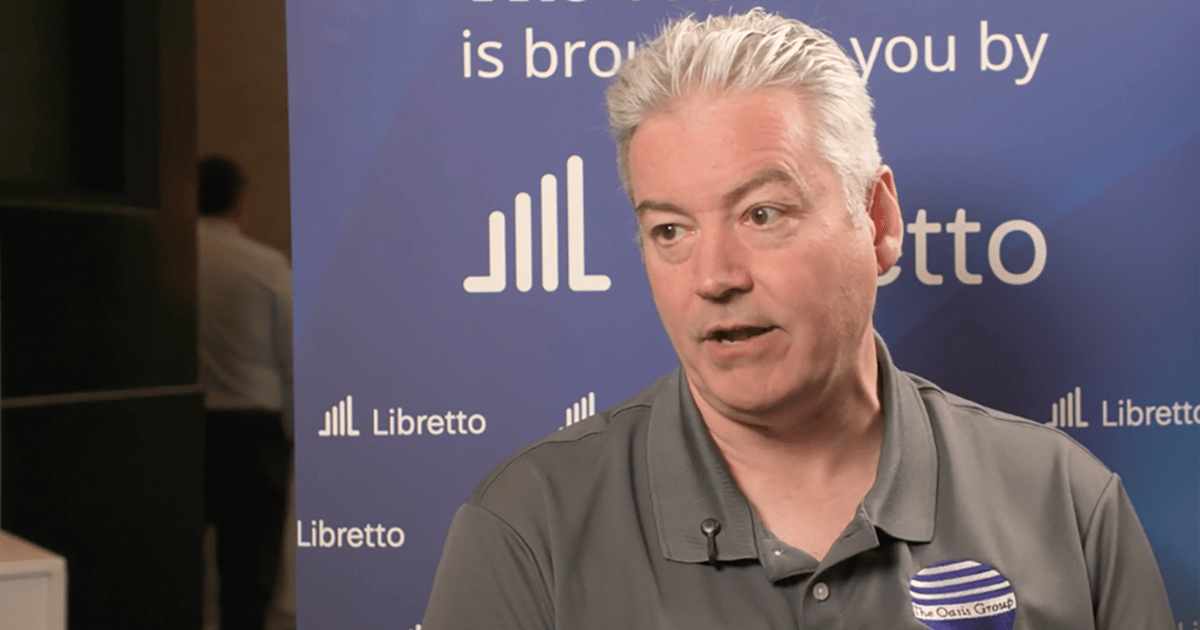
The wealth management sector is shifting its operational focus as firms move away from isolated AI experimentation toward full-scale integration. This transition marks a departure from the initial phase of testing individual tools toward a model where artificial intelligence serves as a foundational component of client service and portfolio management. The change suggests that firms are prioritizing the standardization of AI-driven insights to manage increasing volumes of data and client expectations.
Operational Integration and Client Service Scaling
The move toward full-scale implementation centers on the ability of wealth managers to automate routine analytical tasks while maintaining personalized client interactions. By deploying AI at scale, firms aim to reduce the time spent on manual data synthesis, allowing advisors to focus on high-level strategy and relationship management. This shift is particularly relevant for firms managing complex portfolios where the speed of information processing directly impacts the quality of advisory services.
Standardizing these tools requires a robust backend infrastructure that can handle diverse data inputs without compromising security or regulatory compliance. As firms move past the pilot stage, the focus turns to how effectively these systems can be embedded into existing workflows. This evolution mirrors broader trends in stock market analysis where data-driven decision-making is becoming the primary driver of efficiency.
Data Synthesis and Strategic Decision Pathways
The adoption of AI at this scale introduces new requirements for data governance and system interoperability. Firms are now evaluating how to bridge the gap between legacy systems and modern AI platforms to ensure that insights remain consistent across all client touchpoints. This integration is critical for maintaining a competitive edge in a sector where the ability to synthesize market movements quickly is a key differentiator.
- Improved accuracy in client risk profiling through automated data analysis.
- Enhanced speed in generating personalized portfolio reports.
- Greater consistency in applying firm-wide investment strategies across client accounts.
As these technologies become embedded, the next phase of development will likely involve the refinement of feedback loops between AI outputs and human advisor oversight. This collaborative model is designed to leverage the computational power of AI while retaining the nuanced judgment required for complex wealth management decisions. The success of this transition will depend on the ability of firms to maintain operational continuity while upgrading their core technology stacks.
AlphaScala currently tracks various sectors for technological maturity, including the Real Estate sector where O (Realty Income Corporation) holds an Alpha Score of 47/100, and the Healthcare sector where A (AGILENT TECHNOLOGIES, INC.) holds an Alpha Score of 55/100. These scores reflect the varying degrees of digital transformation across different industry landscapes.
The next concrete marker for this sector will be the release of mid-year operational efficiency reports from major financial institutions. These filings will provide the first quantitative evidence of whether the shift to full-scale AI implementation is yielding the expected reductions in operational costs and improvements in client engagement metrics. Analysts will look for evidence of sustained capital expenditure in AI infrastructure versus temporary spikes associated with initial deployment phases.