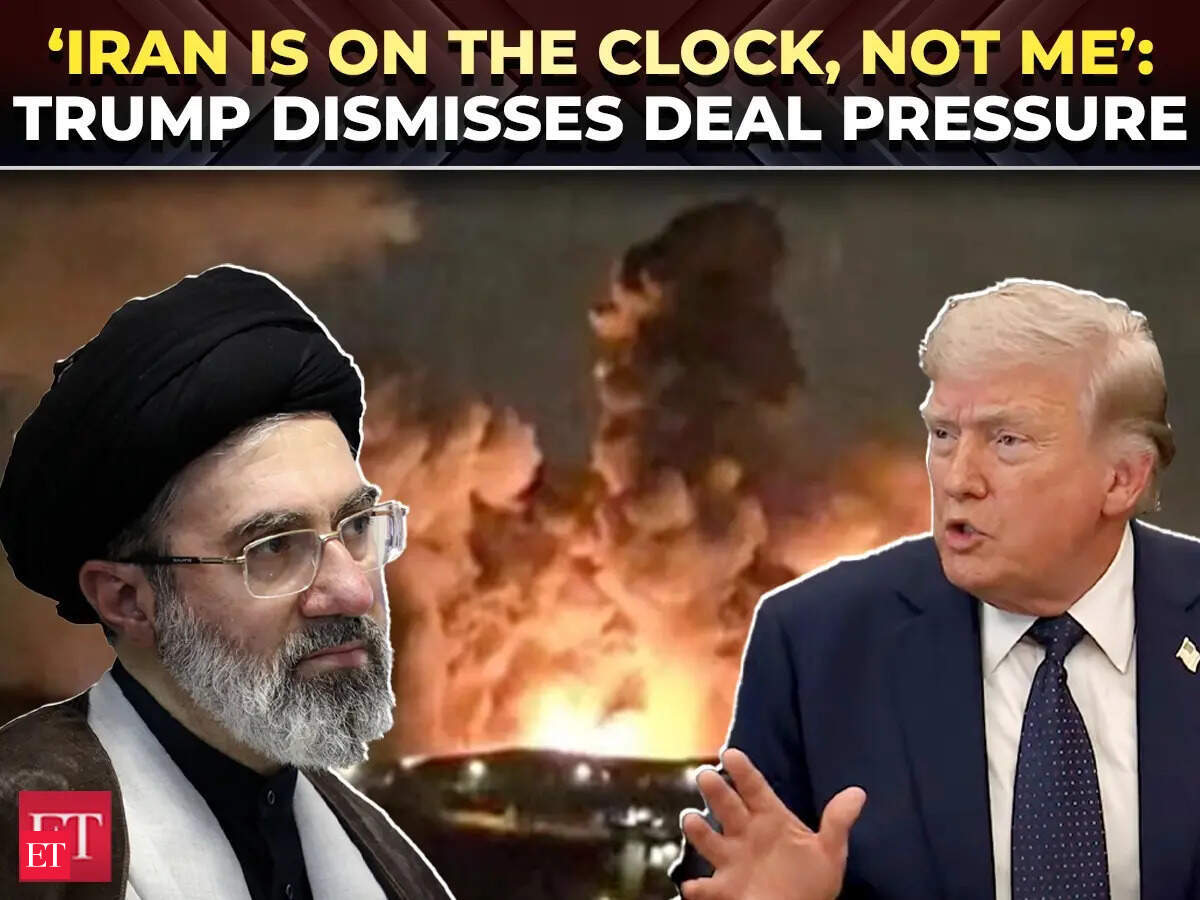
Donald Trump has issued a direct ultimatum to Iran, signaling that the window for a diplomatic resolution is closing. By stating that Iran is on the clock and threatening to finish the situation if no deal is reached, the administration has shifted the tone from negotiation to a potential military confrontation. This rhetoric coincides with the collapse of peace talks in Pakistan, which failed to produce a breakthrough or a sustainable path toward de-escalation. The combination of stalled diplomacy and explicit threats creates a high-stakes environment for global markets that rely on regional stability.
Impact on Energy and Regional Risk Premiums
The immediate concern for investors involves the potential for supply chain disruptions and volatility in energy markets. Geopolitical tension in the Middle East often acts as a catalyst for risk-off sentiment, forcing capital into defensive positions. When diplomatic channels in neutral territories like Pakistan fail, the market loses its primary mechanism for pricing in a peaceful resolution. This leaves the burden of expectation on military posturing, which is inherently unpredictable and difficult to model for long-term equity valuations.
Investors should monitor how energy prices react to the absence of a diplomatic buffer. If the threat of military action persists, the risk premium embedded in oil and gas futures will likely expand. This creates a secondary effect for sectors that are sensitive to fuel costs, such as transportation and manufacturing, which may see margin compression if energy prices spike in response to the rhetoric.
Strategic Positioning Amidst Heightened Uncertainty
Market participants are currently evaluating the durability of current equity valuations in the face of these geopolitical headwinds. While some sectors remain insulated from regional conflict, the broader stock market analysis suggests that systemic shocks often trigger a flight to quality. Companies with strong balance sheets and low exposure to international logistics are typically favored during periods where the geopolitical narrative shifts toward active conflict.
AlphaScala data provides a snapshot of current sentiment across various sectors. Amer Sports, Inc. (AS stock page) currently holds an Alpha Score of 47/100, while Agilent Technologies, Inc. (A stock page) maintains a score of 55/100. AT&T Inc. (T stock page) reflects a score of 56/100. These scores indicate a cautious environment where investors are balancing sector-specific fundamentals against the looming threat of macroeconomic instability.
The next concrete marker for this situation will be the official response from Iranian leadership regarding the ultimatum. Any subsequent movement of military assets or formal withdrawal from existing regional agreements will serve as the next trigger for market volatility. Investors should watch for official statements from the White House or the State Department that either confirm a hardening of the current stance or suggest a return to back-channel negotiations. Until a clear path to de-escalation emerges, the market will likely remain reactive to every headline emanating from the region.