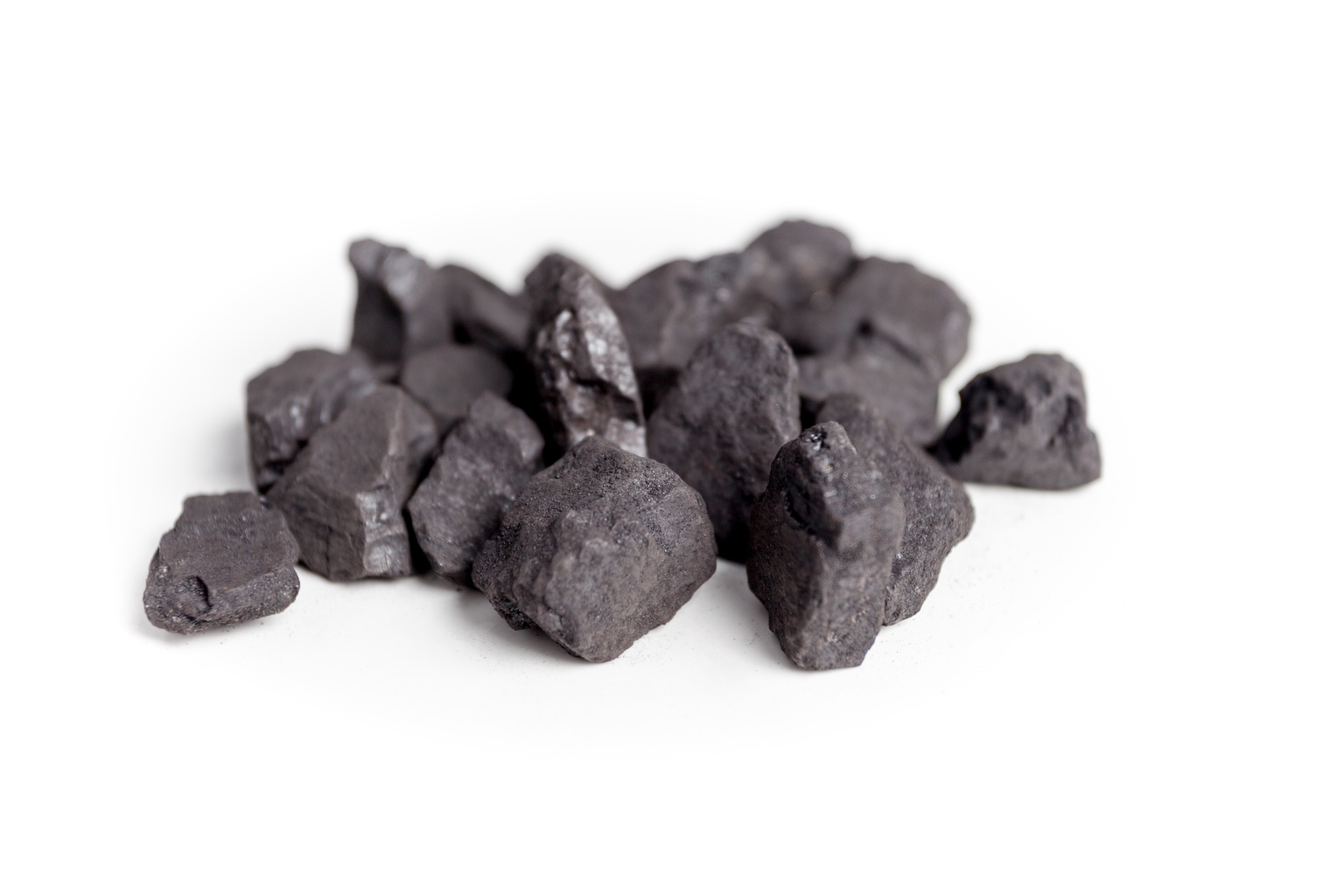
Warrior Met Coal (NYSE:HCC) maintains a focused operational profile as a producer of premium hard coking coal, a critical raw material for global steel manufacturing. The company’s business model rests on supplying high-grade metallurgical coal to international markets, where the supply-demand balance remains tight due to the specialized nature of its product.
Market Positioning and Operational Efficiency
Unlike thermal coal producers, HCC operates in the metallurgical coal segment, where the chemical properties of the coal are as vital as the volume produced. Steelmakers rely on premium hard coking coal to achieve necessary carbon levels in blast furnaces, creating a natural floor for demand that is less susceptible to the energy-transition pressures facing power-generation coal. By focusing on low-cost production, the company aims to maintain healthy operating margins even during periods of commodity price volatility.
Investors looking at stock market analysis should note that HCC’s performance is tethered to the global industrial production cycle. While broader coal indices often track energy prices, metallurgical coal pricing is driven by infrastructure spending and steel output in major economies like China, India, and Japan. The company’s ability to export its product provides a hedge against domestic demand fluctuations, though it leaves the firm exposed to international shipping costs and geopolitical trade flows.
Financial Structure and Capital Allocation
For investors evaluating the current risk-reward profile, the following metrics remain critical to monitoring the company’s health:
| Metric | Focus Area |
|---|
| Production Costs | Ability to maintain low-cost position in high-volatility cycles |
| Export Volume | Dependence on non-US steel demand |
| Capex Requirements | Ongoing investment in mine safety and efficiency |
Management has historically prioritized capital return programs, often utilizing free cash flow to bolster dividends or share repurchases. When assessing HCC against peers, traders must consider the cyclical nature of steel demand. A slowing global manufacturing sector typically results in immediate pressure on coking coal spot prices, which directly impacts the company’s realized revenue per ton.
Trading Outlook and Catalysts
Traders should watch for three specific indicators that suggest a shift in the near-term outlook for HCC:
- Steel Capacity Utilization Rates: Improvements in major steel-producing regions generally precede price spikes in coking coal.
- Freight Rates: Since HCC relies on export markets, elevated ocean freight costs can compress margins rapidly.
- Inventory Levels at Steel Mills: Low stockpiles at major mills often lead to sudden spot market buying, creating short-term price volatility for producers.
Investors should also cross-reference HCC’s performance with major industrial indices like the SPX or the DJI to gauge sentiment toward basic materials. While the company offers a specialized play on industrial infrastructure, it remains a high-beta asset that requires constant monitoring of the global trade environment. Those using best stock brokers to build a position should be prepared for the price swings inherent in the metallurgical coal market. The long-term viability of the thesis depends on the continued reliance on blast furnaces for steel production, as any rapid shift to electric arc furnace technology on a global scale would fundamentally alter the demand for coking coal.